We are looking for an independent senior editor
Apply Now





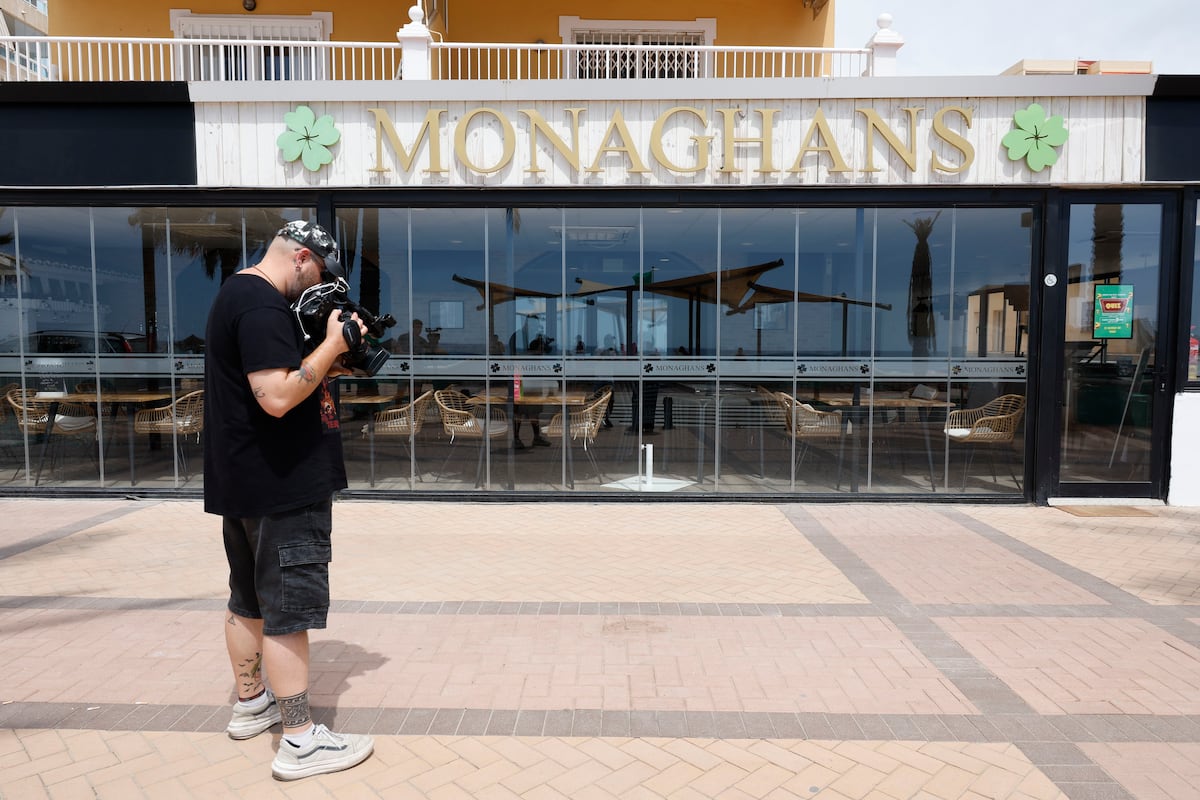
The Costa del Sol has once again become a focal point of political discord following another fatal shooting incident, this time involving two members of a Scottish gang at a pub in Fuengirola. In less than 48 hours, the town's mayor called for an increase in police presence, specifically officers trained to handle the unique criminal activities prevalent in the area, while also urging for improved resources and facilities.
In response, Javier Salas, the Government's deputy delegate, defended the professionalism of the deployed officers and highlighted the success of the Costa del Sol Plan, which has been operational for a year and was initially known as the Marbella Plan. This initiative has reportedly resolved the majority of incidents. However, law enforcement officials are advocating for more resources, citing a surge in the presence of firearms among the numerous criminal organizations entrenched in Málaga.
The region of Andalusia, having endured a challenging winter, now faces an even more turbulent spring with numerous firearm-related incidents. These range from clan disputes to neighborhood conflicts, but the most severe repercussions are linked to international drug trafficking groups. The recent weekend incident marked a tipping point, as a gunman emerged from a car on Fuengirola’s promenade, opened fire in a pub crowded with people watching the Champions League final, and killed two individuals in a brazen act of violence. Witnesses described the chaos and fear that ensued as patrons scrambled for safety.
The victims have been identified as Scottish nationals Eddie Lyons Jr. and Ross Monaghan, known to the Organized Crime and Delinquency Units (UDYCO) on the Costa del Sol. Sources indicate these individuals were part of Glasgow's criminal gangs, which had previously survived assassination attempts in Scotland. Although the police were aware of tensions between the victims' clan and a rival group back home, they did not anticipate the conflict spilling over into Málaga. This scenario mirrors past incidents involving Serbian, French, or Swedish groups who have resolved their disputes violently on the Costa del Sol.
Recent shootings have predominantly involved British nationals, as evidenced by Saturday's events in Fuengirola. A pattern of deception and betrayal has emerged among these groups, often leading to violent outcomes. A similar case involved a 30-year-old Briton who was shot multiple times in Mijas, and a drug deal altercation in Marbella resulted in a gunshot injury. In both cases, the perpetrators, also British, evaded serious legal consequences, highlighting a perceived leniency within the justice system.
Law enforcement officials express frustration over the seemingly minimal repercussions for such crimes, noting that the recent surge in firearms among young narcotraffickers poses a significant threat. A stray bullet from a Marbella shooting narrowly missed a civilian, emphasizing the potential danger to the public. The lenient penalties for murder and the sluggish judicial process, often reducing prison sentences, exacerbate police discontent. Investigations that take months or years can result in minimal incarceration, as seen in the recent Operation Epicureo, where judicial errors allowed suspects to avoid custody.
In this context, Fuengirola's mayor, Ana Mula—echoing a similar plea by Marbella's mayor last year—once again requested more police officers for the Costa del Sol, emphasizing the need for specialists in the region's unique criminal landscape. She has called on the Interior Ministry to establish a new National Police station in the city, arguing that current facilities do not meet the demands of the area's population. Police sources agree with the mayor's assessment, pointing to numerous operational challenges, including a defunct shooting range in Marbella, expired bulletproof vests, and a fleet of patrol cars in disrepair. These issues often require police to seek assistance from local authorities to bridge the gaps in resources.
We are looking for an independent senior editor

LEAVE A COMMENT