We are looking for an independent senior editor
Apply Now





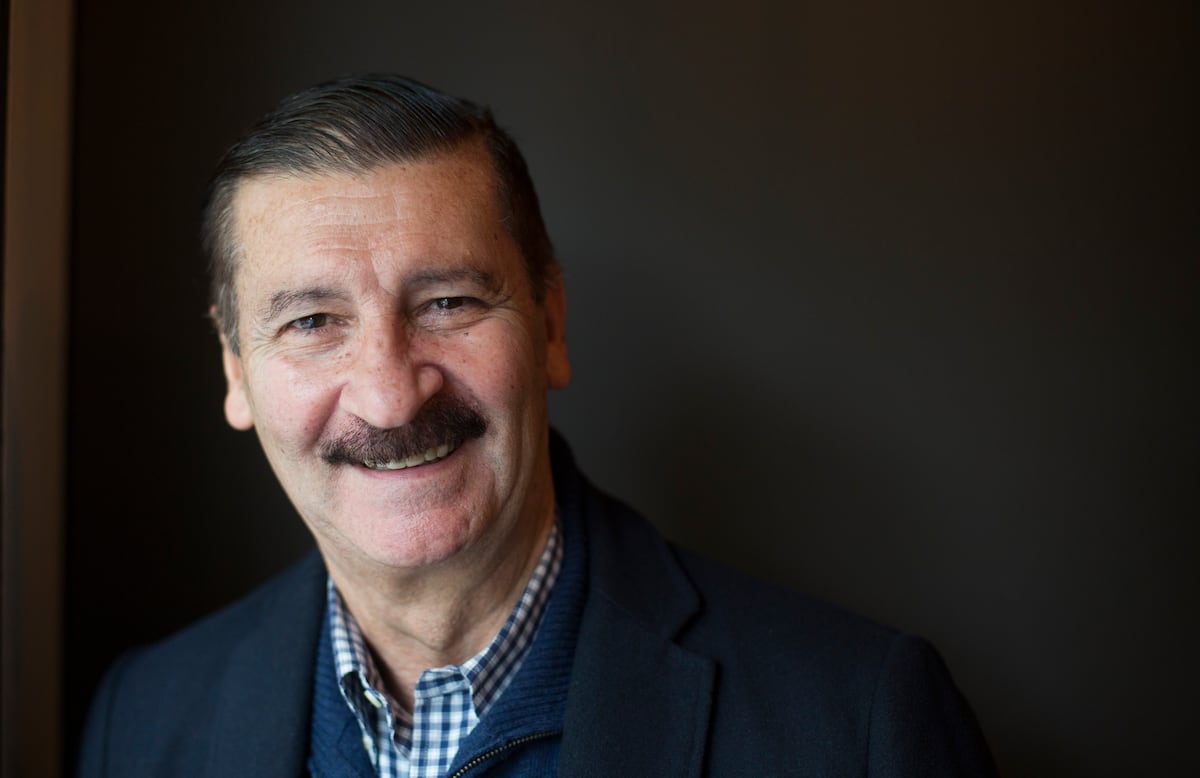
The world bid farewell to a pioneering figure in surgery on May 29th when José Luis García Sabrido, affectionately known as "the chief," passed away at the age of 80. A virtuoso in the medical field, García Sabrido was not only a daring and modern surgeon but also a sports enthusiast, music lover, and cultural aficionado. His departure marks the end of an era characterized by immense contributions to both medicine and humanity.
Born on May 7, 1945, in Madrid, García Sabrido's roots can be traced to Talavera de la Reina, where he accompanied his father to autopsies in surrounding villages. This early exposure to anatomy gave him a unique advantage when he entered the Universidad Complutense, already possessing more anatomical knowledge than many teaching assistants, as noted by his friend Manuel Vicent.
García Sabrido's surgical prowess was honed under the tutelage of José Luis Barros Malvar, a luminary in medicine known for his clarity of thought, rebellious spirit, and self-criticism. He furthered his education at esteemed institutions such as St Mary’s Hospital in London, the Presbyterian Hospital in Pittsburgh, and the Royal Victoria Hospital in Montreal. These experiences culminated in the establishment of the liver transplant program at Madrid’s Hospital General Universitario Gregorio Marañón. He also founded an oncology surgery school, which remains a national and international beacon to this day, leaving an indelible mark after nearly 30 years as head of service.
García Sabrido treated patients from all walks of life, regardless of their social status or beliefs. While the media often focused on his famous patients like Fidel Castro, Hugo Chávez, Antonio Gades, and Mariano Rajoy, García Sabrido devoted his post-retirement years to humanitarian missions. His work with NGOs took him to Bolivia’s highlands and Lesbos, where he provided care to migrants. His unique approach went beyond technical expertise; he was deeply invested in the holistic well-being of his patients. The sick were captivated by his precise anatomical drawings and surgical strategies that promised relief. His practice was firmly rooted in knowledge, rigor, and self-reflection, always centering on the patient, pathology, study, and perseverance.
Renowned for his endurance, García Sabrido could perform surgeries all day, oversee a liver transplant overnight, and continue with major operations the following day, always impeccably groomed and prepared. His exceptional physical fitness allowed him to maintain his study capacity despite grueling surgical marathons.
His cultural passion led to friendships with distinguished individuals, with whom he engaged in animated discussions on topics ranging from quantum physics to the best Madrid delicacies. Fond memories of García Sabrido include his horse rides in Ayamonte, strolls along Asturias’ coast, and walks on Havana’s Malecón.
He succumbed to an intestinal ischemia, the same condition that afflicted dictator Franco, a figure García Sabrido never admired. Among his numerous legacies is the poignant reminder: “Surgery is not in the hands; it is in the head.”
José Manuel Asencio continues García Sabrido's legacy as an oncological and liver transplant surgeon at the Hospital Gregorio Marañón.
We are looking for an independent senior editor

LEAVE A COMMENT