We are looking for an independent senior editor
Apply Now





The
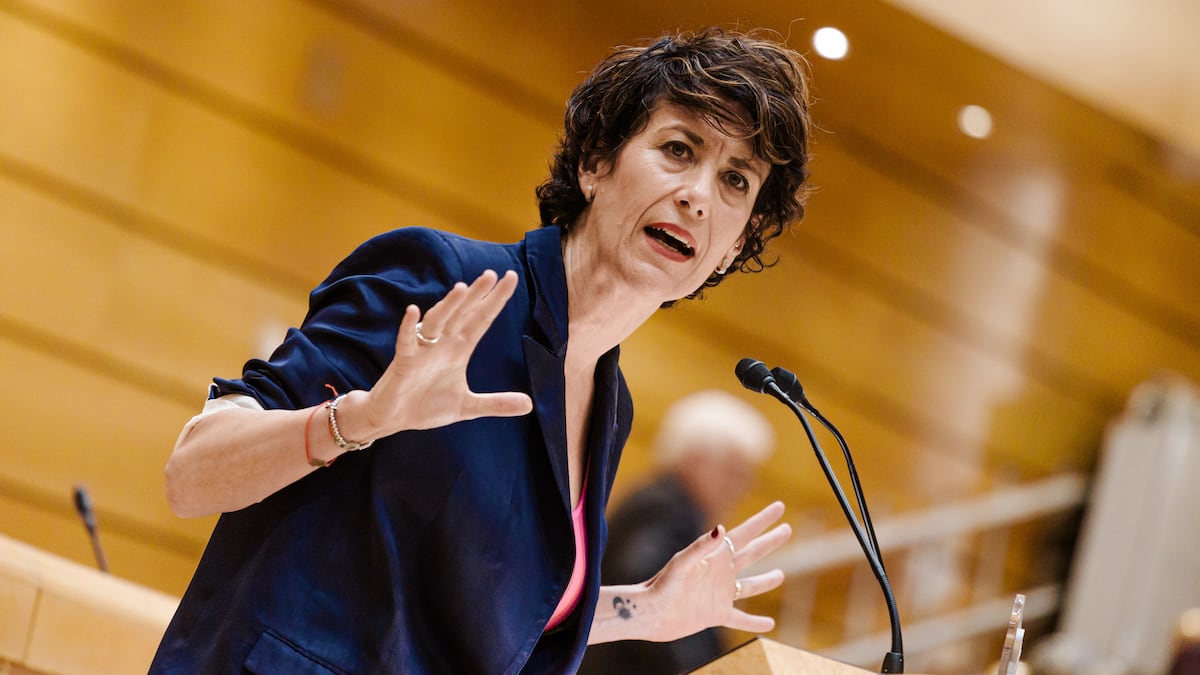
Social Security Ministry, under Minister Elma Sainz, has unveiled a contentious yet transformative proposal aimed at facilitating the
gradual reintegration of employees returning from extended medical leave. Following initial debates, this regulatory framework has now been shared with social partners. The proposal specifies that the progressive return to work is applicable solely to workers who are fully recovered and have received medical clearance. This initiative targets those with
long-term absences exceeding 180 days due to unspecified pathologies, and is limited to full-time employees and part-time workers engaged for more than 80% of the regular working hours.
Under these guidelines, the
progressive reintegration is limited to a maximum duration of 30 days. During this period, employees will perform half of their usual work hours, receiving proportionate salary compensation. Concurrently, they will be entitled to a benefit equivalent to 50% of the temporary incapacity (IT) allowance for the non-working half of their day, as outlined by the Social Security proposal.
In a broader context, this initiative is part of a four-page document titled
Reform Measures for Temporary Incapacity Benefits, aimed at enhancing worker health protection. This document was presented by Social Security officials to employers' associations and unions during a social dialogue meeting, amidst a backdrop of record-high workplace absences and fatalities. Beyond the progressive return framework, the document proposes revisions in the management of temporary (IT) and permanent incapacity (IP) processes, previously managed predominantly by mutual insurance entities. These entities currently handle the majority of cases arising from occupational illnesses or work-related accidents, as well as a significant portion of common illness cases.
Key innovations include empowering mutual insurance companies to propose the discharge of employees on sick leave due to common illnesses under a year. Should this reform advance, they could also recommend discharges for cases extending beyond 365 days, a responsibility currently held by the
National Institute of Social Security (INSS). Furthermore, for common illness leaves under a year, mutuals may suggest permanent incapacity assessments to the INSS medical inspection, prompting the public health authority to consider initiating permanent incapacity proceedings.
For leaves stemming from work accidents or occupational diseases, which are regulated differently from common illness leaves, mutuals may issue discharge approvals for recovery/improvement in cases extending beyond a year and propose the initiation of permanent incapacity proceedings.
Additionally, the Social Security authorities have suggested new regulations concerning medical leaves for multi-employed workers, who are active in more than one job. In such scenarios, workers deemed "medically fit" could continue one of their jobs despite being on leave from another. This could apply from the initial leave period or allow for resumption of one activity while being on leave from another.
Concurrently, as part of efforts to reduce absenteeism, the coalition government has been negotiating measures with employers. Vice President and Labor Minister Yolanda Díaz recently indicated potential for negotiations addressing workplace absence abuses, linked to the legislative push to reduce the maximum legal workweek to 37.5 hours. This announcement, perceived as a concession to business demands, was affirmed by Secretary of State for Labor, Joaquín Pérez Rey, who emphasized the potential for productivity-enhancing measures. He highlighted that reducing work hours could inherently lower absenteeism, citing the International Labor Organization's findings of 750,000 individuals suffering from heart issues related to excessive work hours.
We are looking for an independent senior editor

LEAVE A COMMENT