We are looking for an independent senior editor
Apply Now





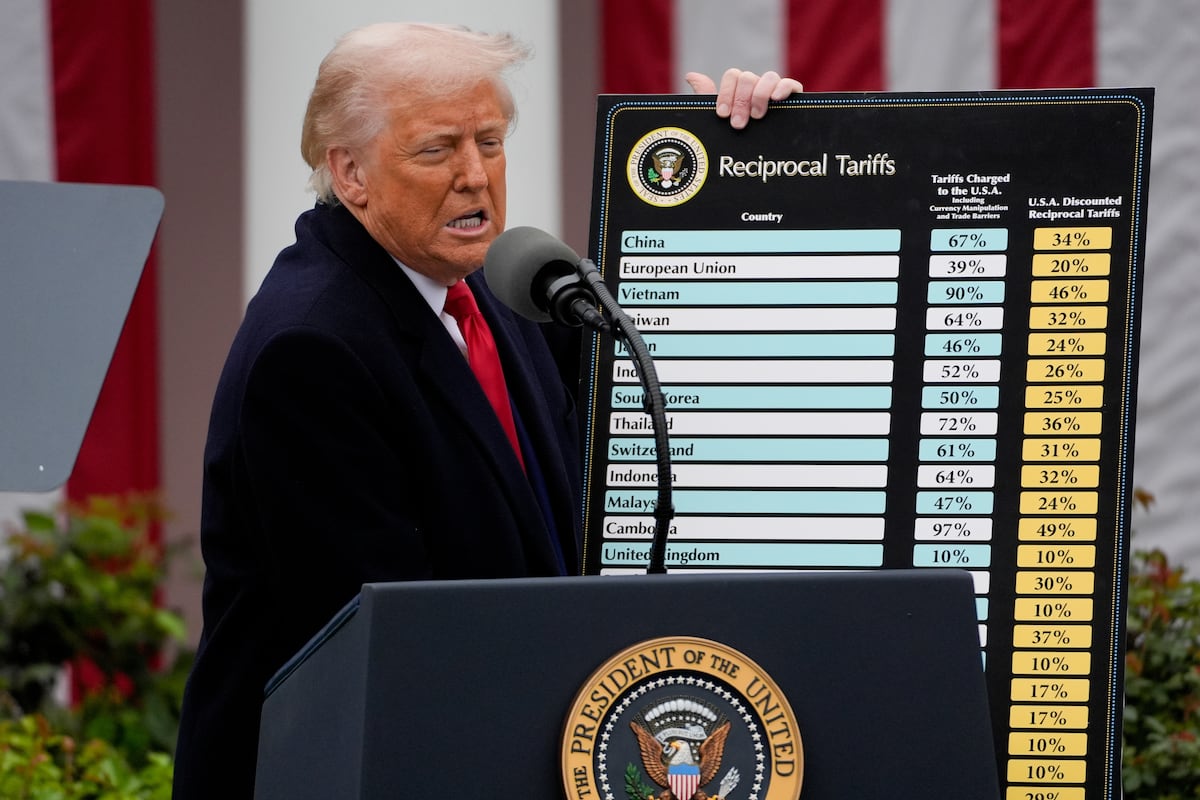
The world's economy continues to lose steam, as evidenced by the OECD's decision to downgrade its global growth forecasts for the second consecutive time. This adjustment is attributed to escalating trade tensions, stringent financial conditions, and growing political uncertainty. Originally predicting a 3.1% growth rate for 2025 in March, the OECD's latest report revises this figure down to 2.9%, consistent with the forecast for 2026. The slowdown predominantly affects major economies, with significant repercussions on trade and finance, thereby dampening investment, consumption, and stability expectations.
Earlier signs of cooling detected by the OECD in spring have now transformed into an overt acknowledgment of deteriorating conditions due to increasing fragmentation in international trade. The report highlights tariff hikes by the United States and retaliatory measures from China and other trading partners. "The global economy has moved past a phase of resilient growth and declining inflation, entering a more uncertain path," emphasized Mathias Cormann, OECD's Secretary-General, during the report's presentation.
Donald Trump's trade policies have morphed into electoral tools, hindering rather than stimulating growth amid a backdrop of waning private demand and monetary policy swayed by price fluctuations. The OECD underscores the need for vigilance from central banks in light of rising uncertainty and the potential for initial increases in trade costs to exert broader pressure on wages and prices.
The downward adjustment in growth projections is widespread but most pronounced among major powers. The United States' forecast for 2025 has dipped from 2.2% to 1.6%, and for 2026, a mere 1.5% is expected. New trade barriers, which inflate import costs and disrupt value chains, have already begun to impact private investment and manufacturing. In Canada and Mexico, key U.S. trading partners, the OECD also downgrades expectations, predicting stagnation or technical recession if retaliatory measures intensify.
China, another significant casualty of the protectionist wave, faces economic challenges with growth projections of 4.7% for 2025 and 4.3% for 2026, compared to previous estimates of 5.0% and 4.8%. The Paris-based organization notes China's existing structural slowdown, now exacerbated by declining foreign trade and domestic investment hindered by uncertainty.
Europe's economic landscape is varied but not immune to headwinds. The eurozone is expected to grow 1.0% in 2025 and 1.2% in 2026, three-tenths below earlier forecasts. Germany, the continent's export engine, remains stuck in a low-growth pattern, with projections of 0.9% and 1.1% for 2025 and 2026, respectively. France is projected to see its GDP increase 0.6% this year, two-tenths less than anticipated in March. The OECD warns that trade tensions, particularly tariffs between Washington and Beijing, indirectly affect European industries by increasing costs and reducing external demand.
Spain is not immune to this fragile environment, suffering a downward revision compared to first-quarter forecasts. The June report predicts growth of 2.4% in 2025 and 1.9% in 2026, a decrease of two-tenths for each year. Despite this, the Spanish economy displays relative strength within Europe, buoyed by robust private consumption, improved real incomes, and a thriving service sector driven by dynamic tourism. The services current account surplus stands at 6.7% of GDP, serving as an external buffer against trade fluctuations. Nonetheless, the report cautions that Spanish exporters of machinery and agricultural products might be impacted by new U.S. tariffs, although their share of total exports is limited compared to other European economies.
The OECD alerts that deteriorating trade conditions are reigniting inflationary pressures in some countries. While the general trend points to price moderation, new trade costs stemming from the trade war could quickly translate into consumer price increases, especially in economies with strained labor markets or high external dependence. The United States is a prime example, with prices projected to rise 3.9% by year-end due to import cost hikes.
Besides inflation risks, the report warns that trade deterioration could have fiscal consequences. A weaker and prolonged recovery means reduced public revenues, just as most governments need to maintain margins to meet growing demands for defense, digitalization, or energy transition. The OECD stresses the importance of fiscal sustainability and recommends revising spending priorities and advancing structural reforms to enhance public sector efficiency.
In response to this outlook, the OECD proposes an alternative scenario: reversing protectionist trends and returning to international cooperation could boost global growth by half a percentage point over the next two years. Easing tariffs, greater political stability, and peaceful resolutions of geopolitical conflicts — such as the war in Ukraine or tensions in the Middle East — would also help restore confidence and stimulate investment.
We are looking for an independent senior editor

LEAVE A COMMENT