We are looking for an independent senior editor
Apply Now





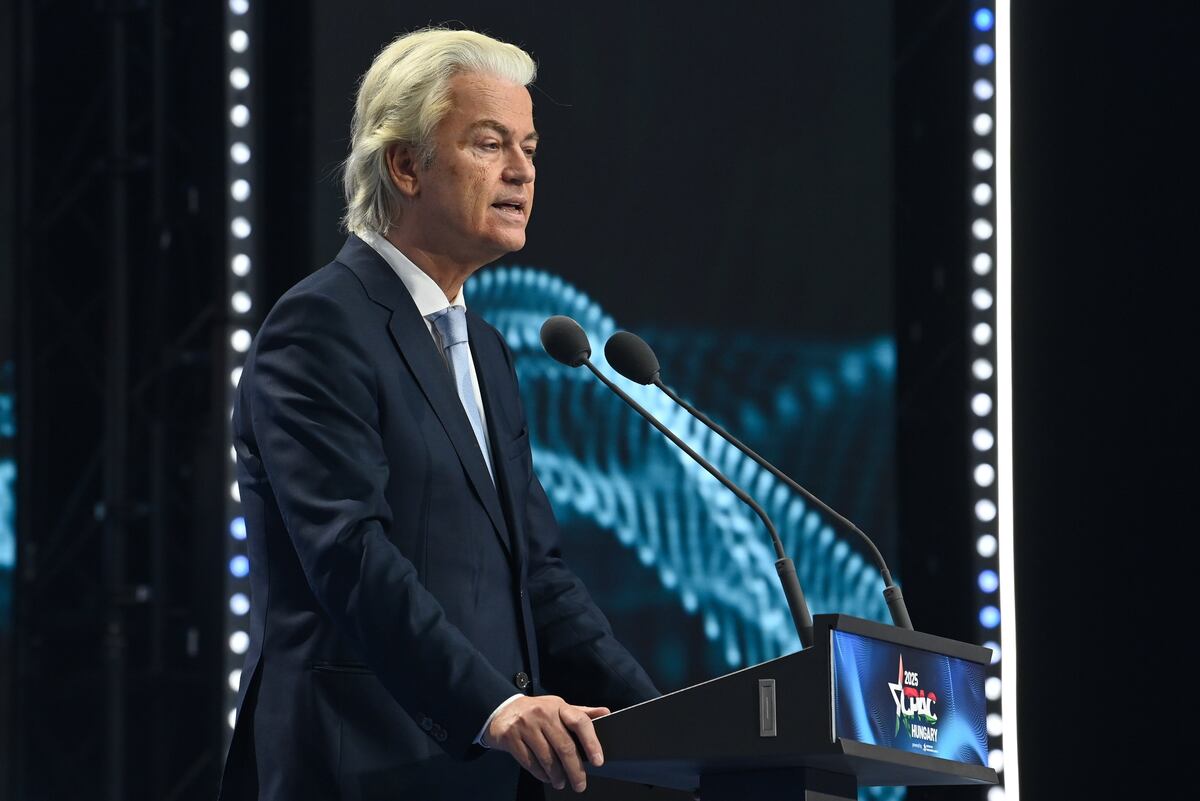
Geert Wilders, the prominent leader of the far-right Party for Freedom (PVV), has unexpectedly withdrawn from the Dutch government coalition on Tuesday, where he held significant power. Recently, Wilders had threatened to incite a political upheaval if the other three partners in the current right-wing coalition did not revise the government agreement to toughen asylum laws. Faced with their refusal to alter plans that took months to negotiate, Wilders departed, catching many off guard, despite his previous threats to do so. It is anticipated that Prime Minister Dick Schoof will formally resign to the King later today.
Just a week ago, the ultra-conservative leader unveiled a list of ten urgent measures he deemed crucial to reform the asylum policy of the fifth most populous country in the eurozone. His demands included halting asylum applications, repatriating all Syrian refugees within six months, military border control, and temporarily suspending family reunification. Wilders claimed then—and reiterates now—that his supporters back these measures, anticipating "the toughest asylum plans in Dutch history," promised during the formation of the government coalition. "Our asylum plans aren't signed. The government agreement isn't adjusted. PVV exits the coalition," he stated on his social media account, formerly known as Twitter.
Despite his bold statements, recent polls suggest a decline in voting intentions for the PVV, which currently holds 37 seats in a Parliament of 150. The other coalition partners—the Farmer-Citizen Movement (BBB), New Social Contract (NSC), and the People's Party for Freedom and Democracy (VVD)—expressed surprise and anger, criticizing Wilders' withdrawal. Until the elections last November 2023, Wilders had never managed to gain power.
We are looking for an independent senior editor

LEAVE A COMMENT