We are looking for an independent senior editor
Apply Now





In a decisive move, the Spanish Ministry of Defense has opted to terminate the procurement of 168 firing posts and 1,680 Spike LR2 anti-tank missiles, which were set to be manufactured in Spain under the license of Israeli company Rafael. This decision, reported by Cadena SER and confirmed by government sources to EL PAÍS, aligns with a strategic shift towards technological independence.
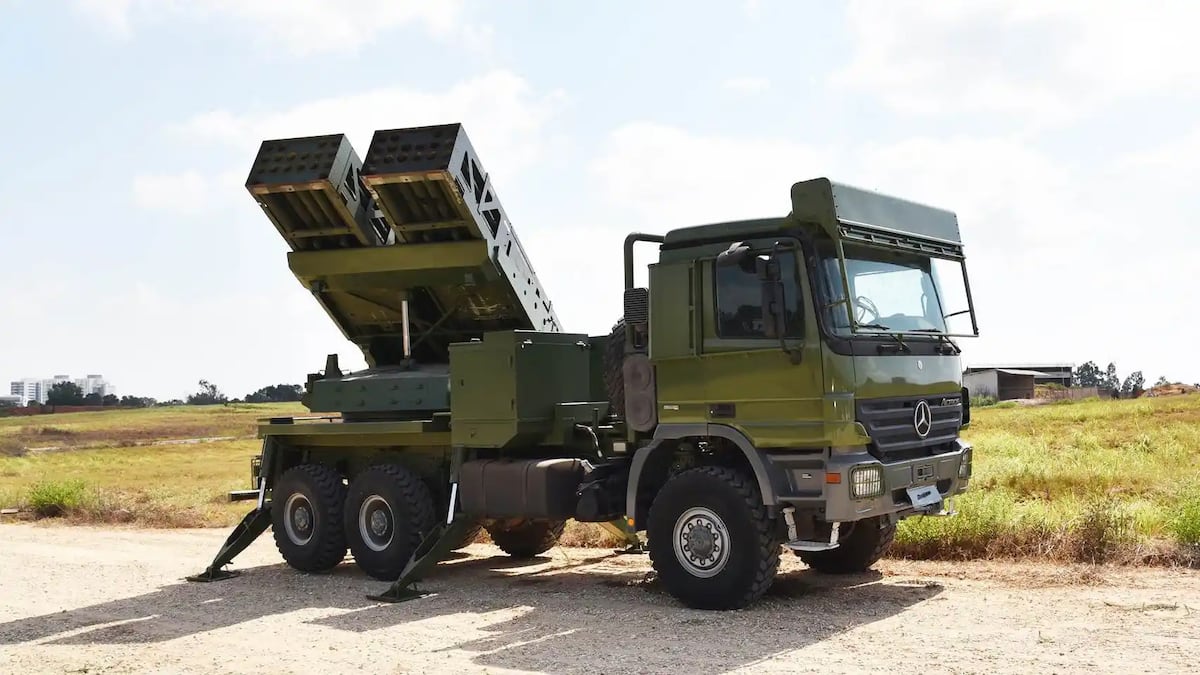
Despite halting these missile purchases, the development of the SILAM multiple rocket launcher program continues. Notably, it will forego the incorporation of Israeli Elbit technology, becoming an entirely Spanish venture.
Both choices reflect the Defense Ministry's plan to disconnect from Israeli military industry, a strategy unveiled by Secretary of State for Defense Amparo Valcarce. This initiative aims to eliminate technological dependencies on Israel and anticipates the upcoming embargo law on arms transactions with countries implicated in international human rights violations, such as Israel.
The Council of Ministers had approved the missile purchase on October 3, 2023, just before the outbreak of conflict involving Hamas and the Israeli military that resulted in over 53,000 casualties. The acquisition aimed to equip the Army and Marine Infantry with advanced Spike LR2 systems, improving upon the previous version already in use. The contract, valued at 287.5 million euros over five years, included logistical support.
Initially, the Ministry of Defense resisted suspending this contract, citing Spanish production and involvement of national companies like Escribano, Expal, Tecnobit, and FMG, with Pap Tecnos, a Spanish subsidiary of Rafael, as the main contractor. Now, alternatives must be sought, potentially including the American Javelin, recently acquired by the Moroccan Army.
Furthermore, the Ministry of Defense has chosen to exclude Israeli technology from the new SILAM multiple rocket launcher system. This 576 million euro project, developed by Escribano and Expal-Rheinmetall, addresses a longstanding gap in the Army's capabilities since the retirement of the Teruel launchers. Based on the PULS system by Israeli firm Elbit Systems, the program will proceed using solely Spanish technology, necessitating a redesign of the rocket launcher and causing expected delays.
The fate of another significant contract with the Israeli military industry remains uncertain: the purchase of 46 POD laser designators for 207.1 million euros from Rafael, which enhance Eurofighter aircraft's target detection and tracking capabilities.
Additionally, the pending acquisition of a new Joint Tactical Radio System (SCRT) for the Army, valued at 738 million euros, has yet to be awarded. Initially favored proposals included technology from Israel's Elbit, but the new directives preclude their realization.
We are looking for an independent senior editor

LEAVE A COMMENT