We are looking for an independent senior editor
Apply Now





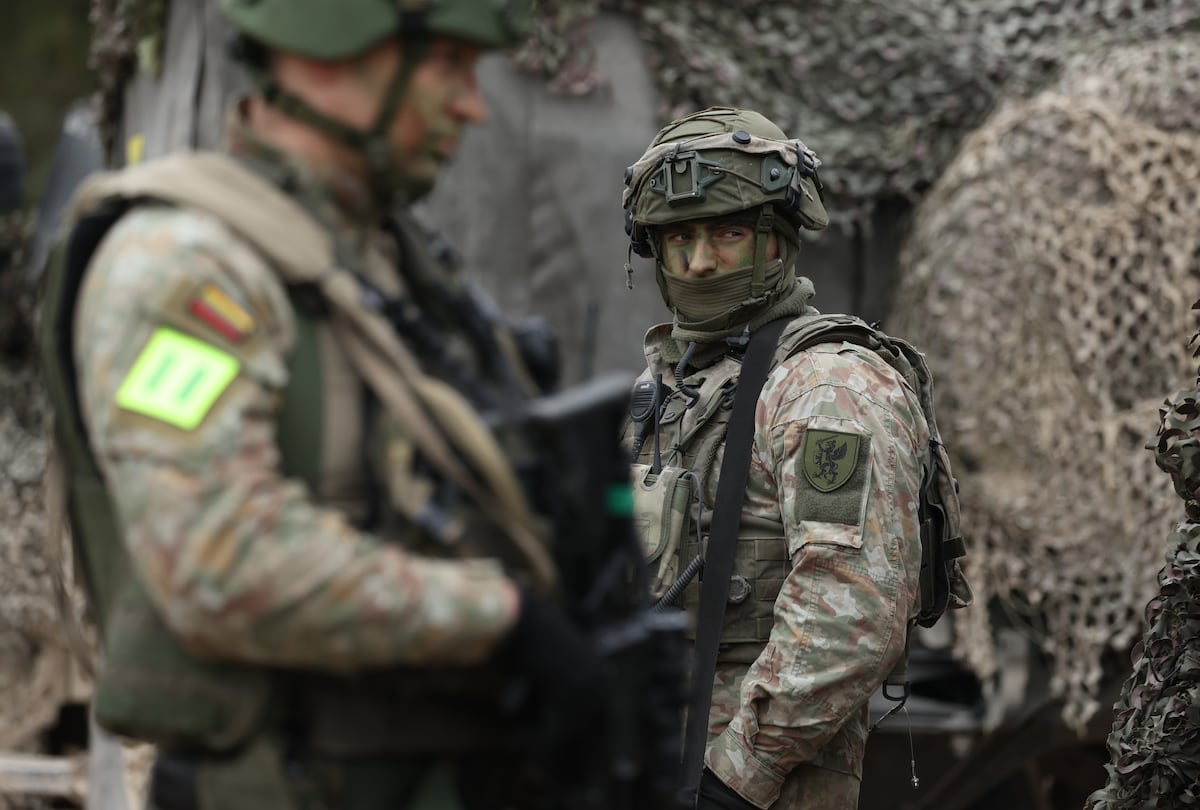
The Organization for Economic Cooperation and Development (OECD) has issued a stark warning to the European Union, emphasizing that the increase in military expenditure should not exacerbate the fiscal deficits of its member states. According to the OECD's latest Economic Outlook report, while an uptick in defense spending is anticipated, it should not be financed through long-term debt issuance. This admonition comes at a critical juncture as Brussels activates the fiscal rules' escape clause, allowing EU countries to augment their defense investments beyond the traditional deficit limits.
Europe's ambitious defense strategy aims for strategic autonomy by the end of the decade, responding to the new geopolitical landscape and NATO's calls for increased military efforts. The financial commitment is substantial, with a projected expenditure of 800 billion euros, 650 billion of which must come from national budgets. To prevent this spending from burdening public finances, Brussels permits countries to increase their annual deficit by 1.5% of GDP solely for military expenses, without it affecting the 3% deficit limit set by the Stability Pact.
However, the OECD points out that this fiscal leeway is being used without a clear financing strategy. The report highlights the risk of financing defense spending through debt, endangering the sustainability of public finances. While the need for rearmament is not questioned, the organization warns of the potential burden on future generations, especially in a context where many countries already exceed recommended debt levels.
The fiscal landscape in Europe is telling: Italy's debt approaches 135% of GDP, Greece exceeds 150%, France hovers around 110%, Spain slightly over 100%, and Portugal around 95%. Even Germany, long a symbol of fiscal discipline, sees its debt diverging from the 60% target set by Brussels. In this context, the OECD advises that if defense spending must increase, it should be offset by cuts in other areas or tax hikes. Repeating the debt-reliance model, as seen during the pandemic and energy crisis, could exacerbate structural imbalances.
This stands in stark contrast to the discussions just a year and a half ago, which focused on reducing debt accumulated during the health crisis. The fiscal rule reforms approved in late 2023 aimed at a more realistic and flexible budgetary consolidation path, with a clear goal of returning to fiscal discipline. However, this narrative has shifted to prioritize strengthening European military capabilities, echoing the exceptional measures taken post-COVID-19.
The OECD is concerned that even with activated escape clauses and new common financing instruments being developed by Brussels, countries with less fiscal space remain vulnerable to market pressures. This is particularly true for major contributors to European military spending, such as France, Italy, and Poland, which are already under the EU's Excessive Deficit Procedure. In this scenario, sustaining additional defense budget efforts for years will necessitate tough political decisions: either cutting other expenditures or raising taxes. The organization stresses that states unable to curb spending growth (both military and non-military) "might have to consider further increasing the fiscal burden."
The OECD does not rule out that during a transitional phase, governments may resort to increased borrowing to boost their military capacities. However, without containing non-military spending growth, many countries may face an even greater tax burden. Additionally, the report warns of the risk that some states might use accounting maneuvers to circumvent budgetary rules, such as reclassifying expenditures—like development aid—as defense spending. "One challenge in overseeing the use of escape clauses will be ensuring that other types of spending, such as non-military foreign aid, are not reclassified as defense spending to evade fiscal rules," the report states.
Europe's current approach seems to rely on markets tolerating higher debt levels. Most countries using the escape clause—about a dozen so far—have not detailed plans for covering rearmament costs. Germany is among the few exceptions, having enacted a constitutional reform to secure defense spending financed through debt. Its lower debt level compared to the rest of Europe and its reputation as a fiscal discipline guardian provide it with some leeway. Conversely, countries like France, Italy, and Spain, which have not yet embraced the fiscal clause, have some of the highest debt ratios.
We are looking for an independent senior editor

LEAVE A COMMENT