We are looking for an independent senior editor
Apply Now





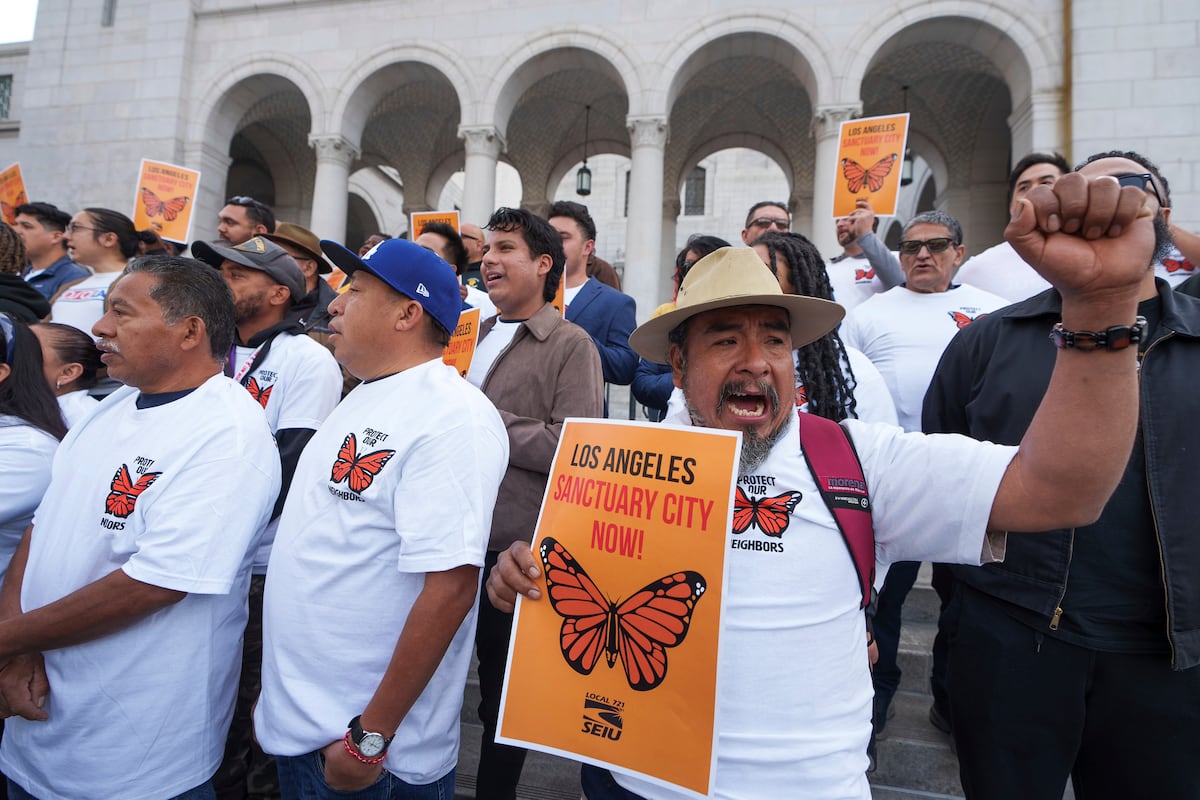
While there is no official definition of a "sanctuary," the term broadly refers to states, cities, and jurisdictions that offer protection and benefits such as healthcare and education to undocumented immigrants, which the federal administration does not provide. The Trump Administration views these local and state governments as non-compliant with federal immigration laws due to their lack of cooperation with the Immigration and Customs Enforcement (ICE) in detaining and deporting undocumented migrants.
Currently, there are around 14 states identified as sanctuary states according to KFF. However, persistent federal pressure, including threats of legal action and federal funding cuts, coupled with their own budgetary constraints, is diminishing their willingness to support undocumented immigrants. Notably, Illinois, California, and Minnesota have already announced reductions in services provided to these individuals.
In Illinois, a budget proposal was recently introduced to Congress, which includes the elimination of healthcare assistance for undocumented adults aged 42 to 65. This decision aligns with Democratic Governor JB Pritzker's initiative to welcome undocumented migrants but reflects a need to save approximately $400 million by withdrawing medical coverage from nearly 33,000 people, given the state's fiscal realities.
Latino legislators opposing these cuts have been advocating for the continuation of healthcare assistance for those over 65 without legal immigration status. "It's heartbreaking. And it doesn't mean the cost will disappear," stated Representative Lisa Hernández, emphasizing the financial burden of emergency room visits for these individuals. "This program was actually a more cost-effective way to address it," she added, as reported by the Chicago Sun-Times.
The push from Republican-governed states to eliminate benefits for undocumented immigrants is justified by claims that they burden public accounts. Advocates of these policies argue that providing medical assistance reduces costs by preventing diseases and avoiding emergency room visits. Studies also show that undocumented immigrants contribute more in taxes to public coffers than they receive in return, as they are typically ineligible for benefits.
Illinois is not alone in this situation. Minnesota's proposed budget also includes cuts to healthcare assistance for undocumented adults. In 2023, Governor Tim Walz, a former Democratic vice-presidential candidate, enacted a law expanding public insurance coverage to individuals without legal status. Over 20,000 people have enrolled, including about 3,000 children, who still have access to medical insurance. Although Walz regrets the cuts, he considers them necessary due to the state's budget deficit.
"Offering something for nothing, especially free healthcare, becomes extremely popular," remarked Republican State Representative Paul Torkelson. "The number of undocumented immigrants participating in this program has more than doubled expectations in less than two years." Torkelson highlighted that the program's costs have escalated from a projected $196 million over four years to $550 million.
California, renowned for welcoming and protecting a large number of migrants, is also cutting back on benefits. Governor Gavin Newsom's fiscal budget for 2025-26 proposes freezing enrollments of undocumented individuals in the Medi-Cal program. The 1.6 million undocumented enrollees will retain access to healthcare services but must pay a monthly fee of $100.
Although these sanctuary states fund their programs through their own resources, the Trump Administration is exerting pressure by threatening to cut federal funds if they continue to provide services to undocumented immigrants. The Republican's "big and beautiful" law, which has passed the House of Representatives and is now in the Senate, penalizes states that use their own funds to support undocumented migrants. The potential loss of billions of dollars in state coffers jeopardizes the continuation of these programs.
Barriers to Education
The Trump Administration has also targeted educational aid for undocumented students. Trump signed an executive order opposing state laws that "offer state higher education tuition to foreigners but not to American citizens from other states." Approximately 24 states and the District of Columbia provide equal tuition rates to all residents, regardless of immigration status, with some even offering scholarships to undocumented students.
Florida, previously non-discriminatory regarding immigration status, will begin enforcing these changes from July 1, requiring students without residence permits to pay out-of-state tuition rates. This aligns with the policies of Governor Ron DeSantis, a staunch Trump ally in the president's anti-immigrant crusade.
DHS Blacklist
The Trump Administration's latest initiative in its crackdown on undocumented immigrants involves compiling a blacklist of jurisdictions it considers sanctuaries. "These sanctuary city politicians endanger Americans and law enforcement by protecting violent criminal illegal immigrants," stated DHS Secretary Kristi Noem in a press release.
Last Thursday, the Department of Homeland Security (DHS) published a list of approximately 500 jurisdictions threatened with reprisals for not cooperating with immigration authorities. "This memorandum marks a new attempt by the Trump Administration to force states and counties to relinquish their constitutional rights to enact policies they deem suitable to protect their residents. The DHS does not have the authority to dictate local and state laws," declared Murad Awawdeh, president of the New York Immigration Coalition.
The list was compiled based on various factors, including whether cities or localities identified as sanctuary jurisdictions, their compliance with federal immigration authorities, and their protections for undocumented individuals, according to the DHS.
Several entities on the list protested their inclusion, despite their support for Trump. In California, Huntington Beach was included despite challenging the state's sanctuary law and passing a resolution this year declaring itself a "non-sanctuary city." Jim Davel, Shawano County Administrator in Wisconsin, claimed his community's inclusion was an administrative error, noting that 67% of his county voted for Trump. By Sunday, the list had been removed from the DHS website.
Government pressure has led some public officials to avoid having their cities labeled sanctuaries. For example, Washington, D.C.'s Mayor Muriel Bowser has removed the designation and requested the repeal of a law limiting cooperation with immigration authorities.
Meanwhile, Baltimore Mayor Brandon Scott asserted on X that Baltimore "is not a sanctuary city," due to its lack of control over prisons. Cooperation between jails and ICE, which involves transferring detainee information, is a measure the government encourages through 287g agreements with local authorities. "However, we are a welcoming city and unapologetic about it. We are better because of our immigrant neighbors and will not betray them to this Administration," Scott added.
We are looking for an independent senior editor

LEAVE A COMMENT