We are looking for an independent senior editor
Apply Now





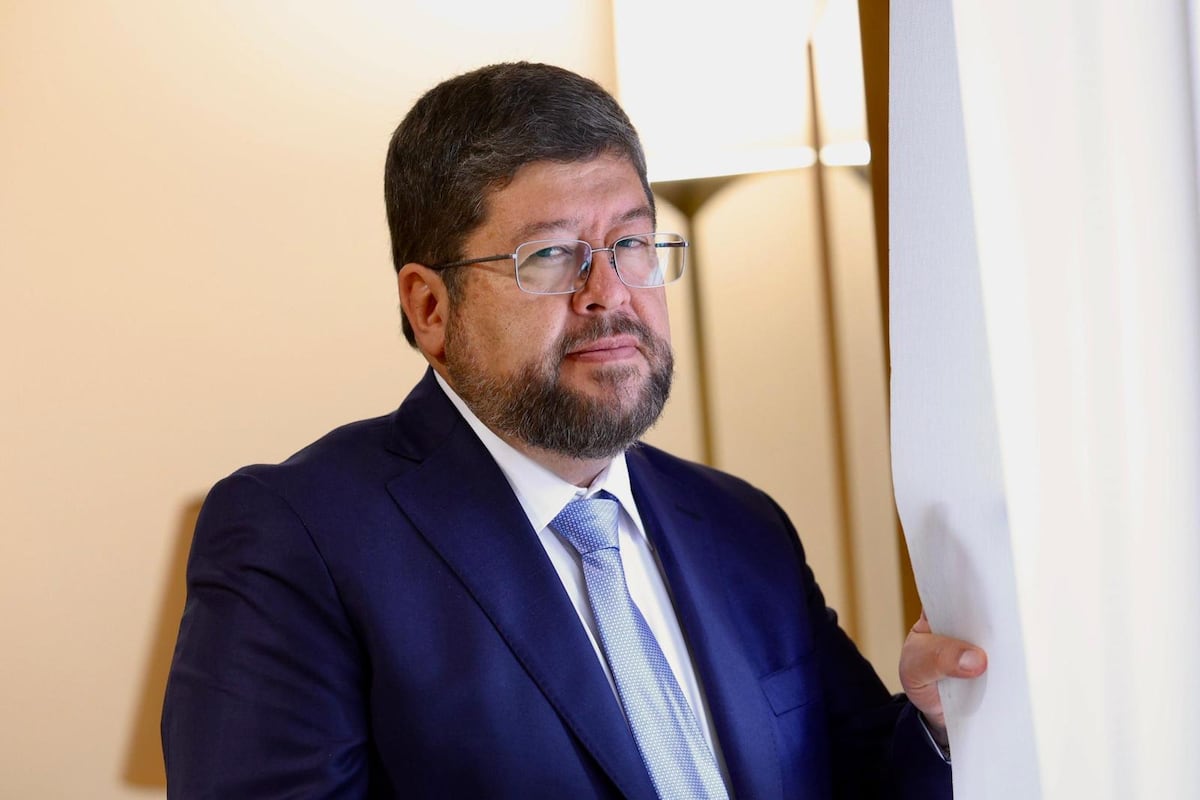
As Bolivia approaches its presidential elections in less than 75 days, the nation finds itself at a pivotal moment. The longstanding ruling party, Movimiento al Socialismo (MAS), founded by former President Evo Morales, is grappling with internal divisions and waning influence. Current President Luis Arce has chosen not to run for reelection amidst mounting economic challenges, declining popularity, and legal barriers that also prevent Morales from seeking office. In this fractured political climate, Samuel Doria Medina, a seasoned economist and former Minister of Economy, emerges as a prominent opposition candidate, presenting robust solutions to navigate Bolivia's economic turmoil.
With a strong background in economics, Doria Medina, who studied at the London School of Economics, aims to address Bolivia's severe economic challenges, exacerbated by the collapse of the gas industry, fuel shortages, and rampant inflation. The country's fiscal deficit surpasses 10% of GDP, and its debt reaches 92.4% of GDP, sparking investor apprehension. Doria Medina's strategy involves implementing stringent measures, including the closure of unprofitable state-owned enterprises and the elimination of subsidies, to restore fiscal order.
Doria Medina believes this election signifies the end of an era dominated by MAS and the beginning of a new chapter for Bolivia. He criticizes the economic deterioration under Morales' leadership and envisions a future marked by institutional and economic renewal. Despite facing competition from other leftist leaders, he remains confident in his political project, which blends liberal centrist ideals with elements from the International Socialist movement, reflecting a complex political alignment.
His political strategy focuses on building a nationwide coalition, leveraging support from key regions such as La Paz, Santa Cruz, and alliances with influential figures like former President Jorge Quiroga. This broad-based approach aims to foster a pluralistic economy, capable of engaging with both conservative and progressive sectors.
Addressing Bolivia's current economic woes, Doria Medina advocates for necessary adjustments to rectify the disorder left by MAS policies. He highlights the mismanagement of diesel subsidies, which have been exploited through contraband, and stresses the importance of lifting these subsidies while ensuring support for low-income groups to mitigate the impact of economic reforms.
Confronted with a high public deficit and irrational state investments, including futile ventures like sugar plants where sugarcane is absent, Doria Medina calls for the closure of ineffective state-owned enterprises. He argues that Bolivia's bloated government, controlling numerous superfluous institutions, requires downsizing to alleviate fiscal pressure and stimulate productive sectors.
Once rich in gas resources, Bolivia now faces extraction challenges due to misguided investments of gas revenues in non-productive state ventures. Doria Medina emphasizes that closing unproductive enterprises and removing subsidies are crucial first steps to stabilize public finances.
On the international front, Bolivia's trade relationship with the United States has diminished, yet rising tariffs under President Trump's administration could still affect prices domestically. Furthermore, the European Union's negotiations with Mercosur present both opportunities and regulatory risks for Bolivia, potentially influencing the liberalization process Doria Medina champions.
We are looking for an independent senior editor

LEAVE A COMMENT