We are looking for an independent senior editor
Apply Now





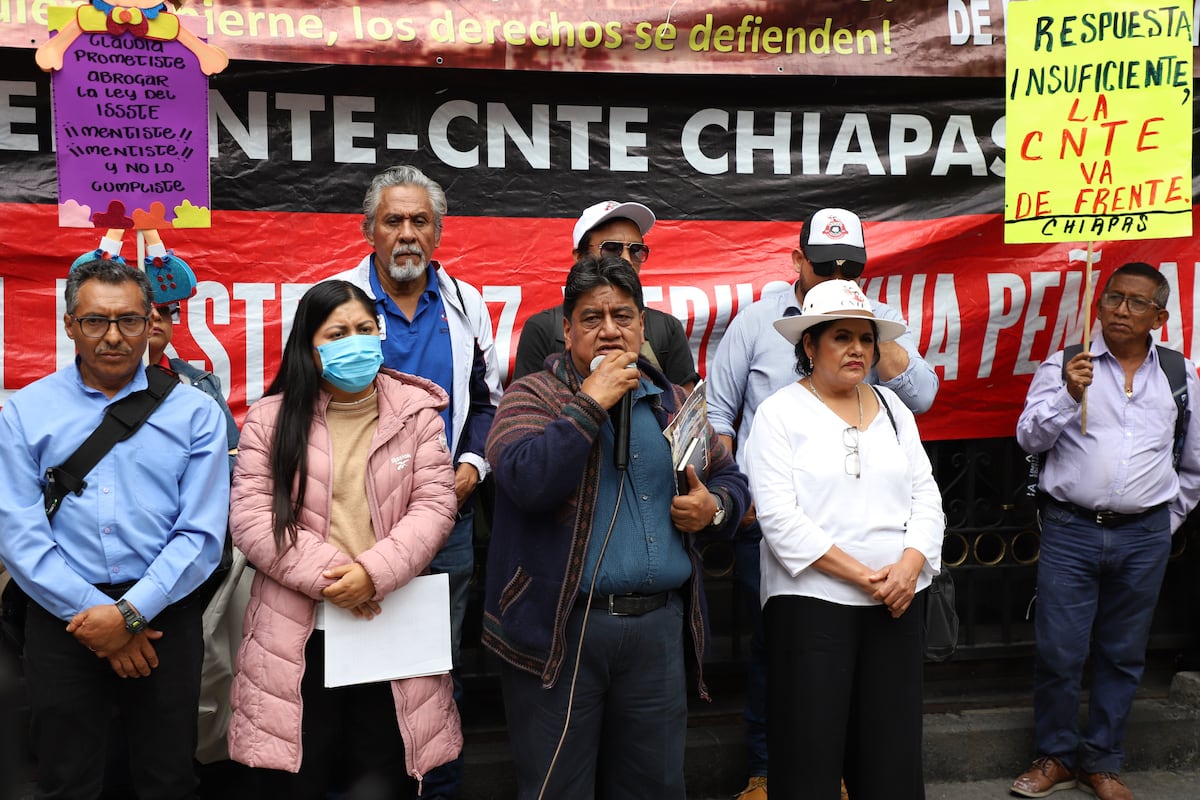
Efforts to bridge the gap between the government and the CNTE seem increasingly futile as negotiations stalled once more on Monday afternoon. This latest attempt, held at the Secretariat of Governance, included key figures such as the Secretary of Education, a representative from the Ministry of Finance, and the Director General of the ISSSTE. Despite their presence, the talks have not yielded a tangible agreement. Eva Hinojosa, spokesperson for Michoacán and coordinator of the meeting, expressed frustration, stating that the government's approach remained unchanged, echoing previous discussions. "We practically reject it because our mandate from fellow activists demands it," she affirmed, further criticizing the government's perceived indifference.
As the nation awaits statements from government representatives involved in the discussions, it appears the negotiation remains stagnant. No new proposals have been introduced, nor has the central demand to repeal the 2007 ISSSTE law been addressed—a law at the heart of the teachers' grievances. The government, citing budgetary constraints, has been reluctant to abolish this legislation. Nevertheless, they have proposed to reconvene discussions on Wednesday morning, suggesting a willingness to continue dialogue.
Despite apparent roadblocks, the negotiation process might be entering a new phase. The government has managed to avert the threat of an electoral boycott by the union, not due to any compromise, but rather because internal disagreements within the union have diluted their stance. Consequently, recent mobilizations have lost momentum, with fatigue setting in among stakeholders and the public alike. The readiness to engage in consecutive meetings within a short span indicates a collective urgency to resolve the ongoing protest, exacerbated by adverse weather conditions affecting the demonstrators.
The CNTE, however, remains steadfast in their demands, bolstered by reinforcements from various states. While there might be a desire to conclude the strike, they are resolute in not settling for less than their primary objective: the repeal of the law that replaced solidarity and intergenerational pensions with private account systems managed by private administrators or afores. The government acknowledges the law's devastating impact on public workers but argues that reversing the 18-year-old policy is financially unfeasible.
In response, President Claudia Sheinbaum has proposed a series of alternatives designed to mitigate the reform's most detrimental effects without imposing significant public expenditure. These include supplementing meager private pensions with state welfare funds to match the average wage of the IMSS, currently around 17,000 pesos. While these measures aim to address some concerns, they have yet to satisfy the union's core demands.
We are looking for an independent senior editor

LEAVE A COMMENT