We are looking for an independent senior editor
Apply Now





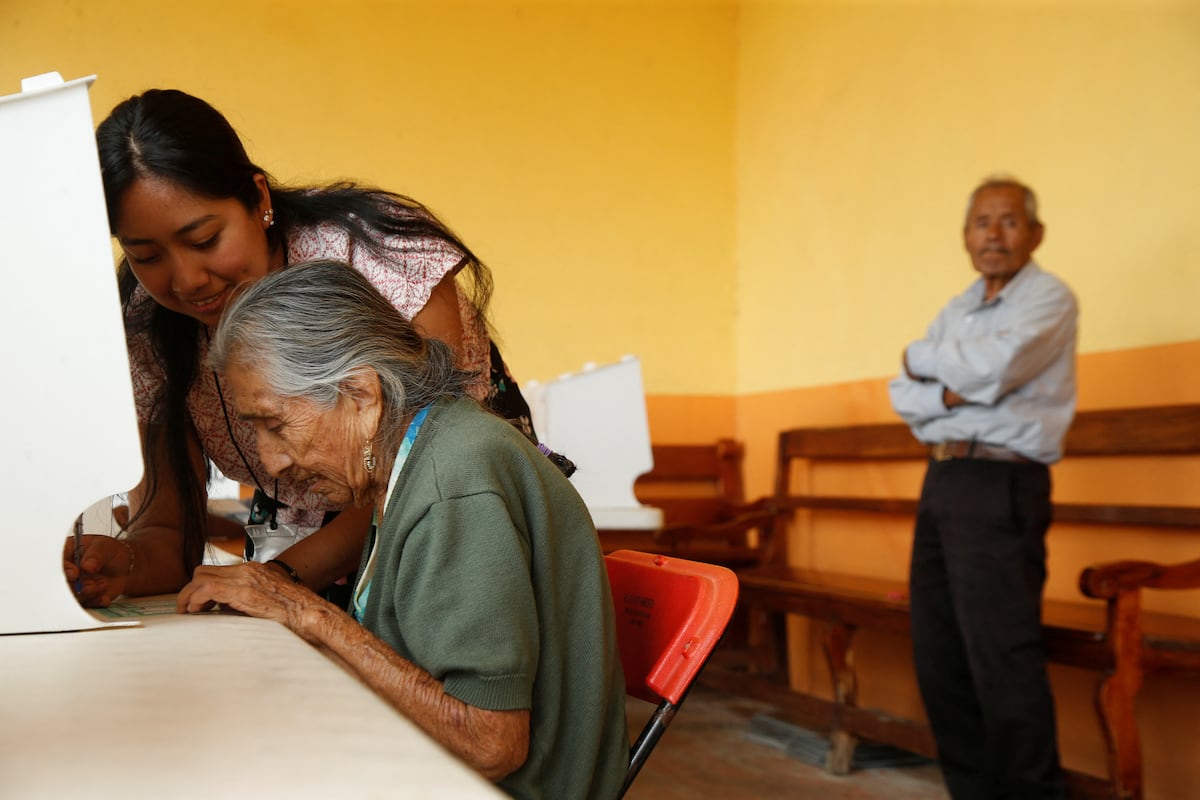
On June 1, 2025, the nation witnessed one of the most flawed electoral exercises in its history, marred by widespread irregularities. Prior to this day's events, a legislative body had surrendered its sovereign powers to an administrative-constitutional entity. A majority in the legislature was secured through the complicity of a court long estranged from its judicial duties. Decisions in the Senate arose from the shadows of past transgressions and looming threats. Geographical distortions crafted electorates to specific ends, while convoluted ballots facilitated deception. Ostentatious and disdainful annulments marred the process, with vote counts delayed to adjust victors, leading to results detached from the electorate's intent.
In the aftermath of such an irregular voting exercise and as the counting and declaration of winners looms, it becomes pertinent to question the source of legitimacy for the forthcoming judges. What foundation will these officials rely upon in their daily dispensation of justice? The answers to these queries are crucial for understanding their self-perception, the principles guiding their judicial actions, and the standards they will embrace.
The first potential source of legitimacy for the new judges could stem from the charisma attributed to López Obrador, expressed through his ambition to reform the judiciary by electing its leaders through popular vote. In this scenario, the new judicial officials might assume that, since their leader successfully amended the Constitution in this manner, their legitimacy is derived from his charisma or will. If judges were to embrace this belief, their justice would be dispensed in his name, transcending his tenure or earthly presence.
A second avenue for legitimacy might be sought in the votes secured by Claudia Sheinbaum for the presidency. Her thirty-three million votes could be perceived as a mandate directing future judicial actions, either due to her personal significance or the belief that the electoral mandate should guide justice. Under this assumption, the justice dispensed would align with the president, her tenure, and the voters who supported her across the nation's diverse demographic landscape.
The third possibility is that judges perceive their legitimacy as stemming from the electoral process conducted on June 1, 2025. Their right to occupy and exercise their judicial roles is grounded in the election held that day. Despite legislative flaws, procedural issues, and low voter turnout, they were elected and must act accordingly.
Assuming this final scenario as the basis for legitimacy, judges would need to acknowledge that their authority is rooted in the election. Their speeches, writings, and campaign commitments form the foundation of their actions. Promises made to potential and actual voters should influence their decisions. Agreements with political parties, unions, criminal organizations, businesses, lawyers, or any support group must be honored.
After the somber electoral spectacle, the question of judges' legitimacy remains, along with the commitments and allegiances they assumed. While it is expected that they are bound to the Constitution, laws, democracy, or the Mexican people, the general framework of potential legitimacies must be considered to contextualize the actions of new judges. Through this framework, identifying whom or what elected judges are beholden to becomes possible, not through words but actions.
By understanding the electoral legitimacy assumed by new judges, we can discern where and how they are attempting to construct their legitimacy. Observing the arguments they employ to make decisions, present themselves to their previous electorate or those they seek for reelection, curry favor with political groups that enabled their candidacy, satisfy groups that facilitated the electoral mobilization, or mitigate the repercussions of failing to fulfill what they once accepted eagerly or naively.
We are looking for an independent senior editor

LEAVE A COMMENT