We are looking for an independent senior editor
Apply Now





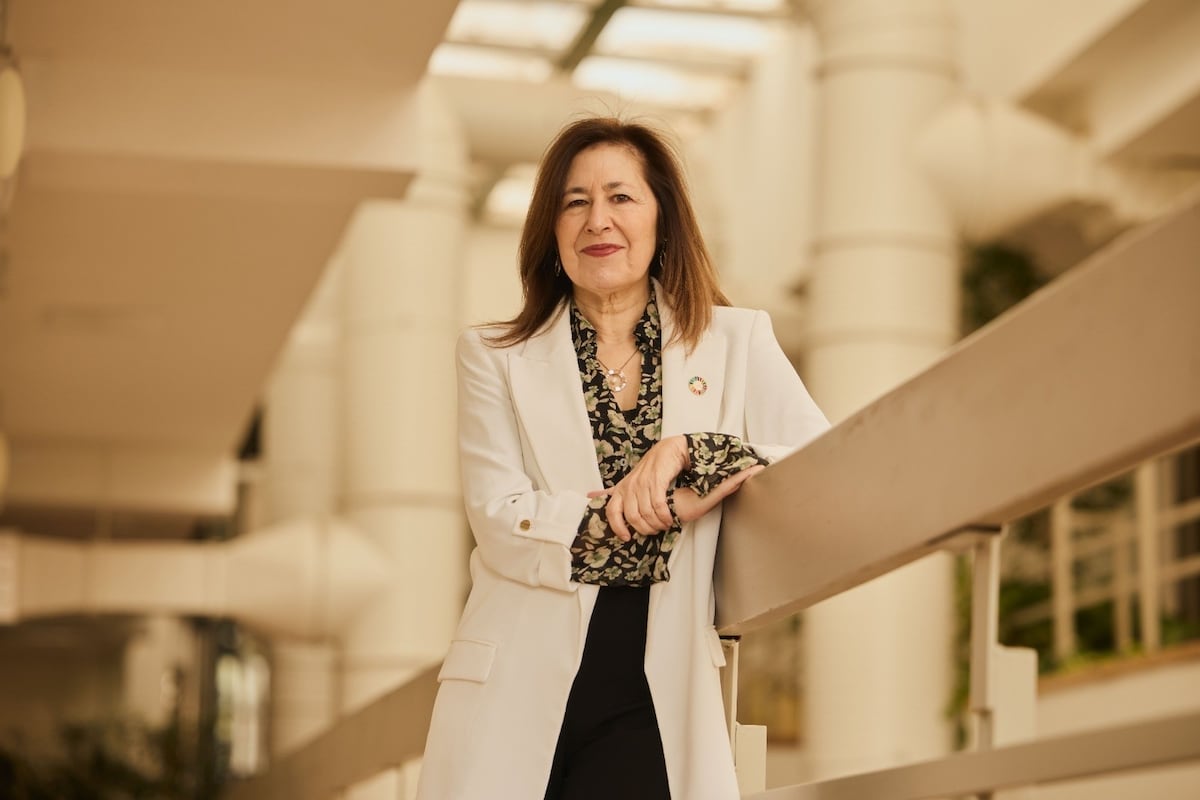
In a triumphant return, Amaya Mendikoetxea, the acting rector of the Autonomous University of Madrid, clinched victory in the recent elections with a commanding 58.7% of the weighted votes. Her opponent, Javier Ortega, a former vice-rector, was left trailing. This victory marks the end of nearly two months of unease, as the university faced the prospect of a power vacuum.
Back in April, Mendikoetxea had suffered a setback, losing to a significant number of blank votes with only 44.6% support. The unprecedented situation for a Spanish university threatened to leave the institution leaderless. This time around, she won across all sectors, particularly among the permanent faculty, whose votes carry the greatest weight. Here, she captured 62.2% of the votes, improving from her previous 59%.
Support was even stronger among temporary contract scientists and predoctoral students, with 66% backing her. The student body also leaned in her favor, albeit narrowly, with 51% support. Notably, only 4% of students cast their votes, as most had just completed their exams, with 48.8% leaning towards Ortega. The administrative and service staff mirrored this split with 51% support for Mendikoetxea.
In the previous election, Mendikoetxea's major challenges were amongst students (only 19% support), administrative staff (31%), and predoctoral hires (25%). Ortega, a former director of the School of Engineering, had sensed a desire for change on campus. His candidacy initially alleviated concerns over a vacant rector position. Meanwhile, Mendikoetxea, a professor of English linguistics, waited until the last moment to announce her candidacy, emphasizing the courage and decision-making required in governance.
The lack of a strong opponent in April's elections led to complacency, with many assuming Mendikoetxea would win easily or not casting their votes at all. Some voters regretted their decision, feeling they had sent her a message. Others blamed her for not standing up to Isabel Díaz Ayuso's government, which has financially strained universities. Yet, Mendikoetxea's role was crucial in the rectors' stance against the regional executive.
Ortega's brief association with a conservative academic group, Universitas, linked to the Communion and Liberation movement, was a point of contention. This detail, along with his hastily assembled team, did not sit well with many at the university.
Mendikoetxea's academic journey includes roles as vice-rector of International Relations and vice-dean of Philosophy and Letters. In 2021, she became the second female rector in UAM's history, following Josefina Gómez Mendoza's brief term in the mid-1980s. Female leadership remains a rarity in Madrid's public universities.
The new University System Law (LOSU, 2023) mandates more votes for candidates than blank votes in rector elections, a change from past practices that has already caused challenges at the University Rey Juan Carlos, which also saw a second round this May. Mendikoetxea will serve a six-year term, as LOSU has extended terms from four years, though re-election is not permitted.
We are looking for an independent senior editor

LEAVE A COMMENT