We are looking for an independent senior editor
Apply Now





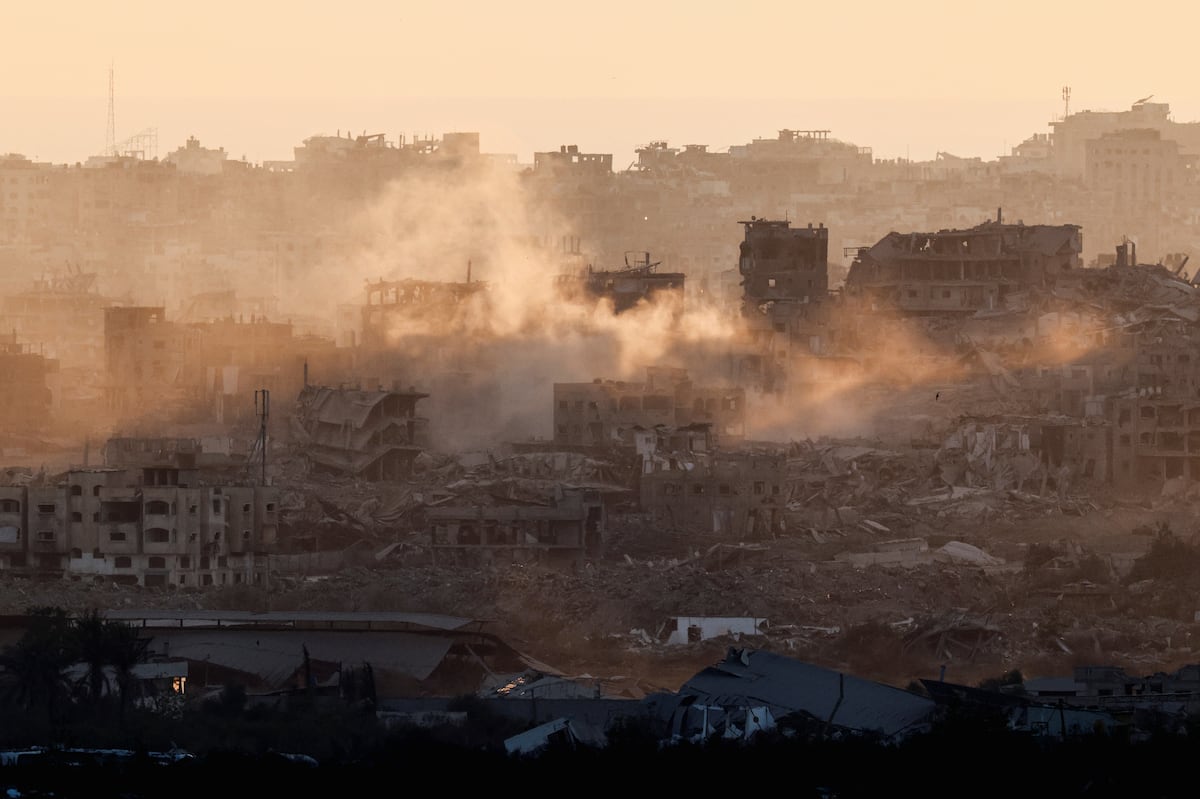
In a tragic turn of events, the pursuit of food has led to violence in Gaza. On Monday morning, 38 Palestinians were hit by live ammunition while attempting to access a food distribution point in the southern region of the enclave, resulting in at least three deaths. This incident occurred at the facilities of the controversial Gaza Humanitarian Foundation (FHG), reportedly involving American mercenaries, where 35 people had died the previous day.
Eyewitnesses blame the Israeli military for the gunfire during both incidents, though the Israeli forces deny involvement. The United Nations has criticized the FHG as a project that defies fundamental humanitarian principles and has stated it will not collaborate with the organization.
However, the situation is evolving. Several UN representatives continue to accuse Israel of obstructing aid supplies at Gaza's entry points, exacerbating the scarcity of essential resources. The distribution efforts by the foundation, backed by the US and Israel, have become deadly traps. The UN's World Food Program has expressed the urgency of cooperation with any entity to ensure the population is fed amidst desperation.
Simultaneously, Israeli troops are expanding their military operations. A statement from the army on Monday claimed they targeted "dozens" of positions in 24 hours, including "terror cells and tunnels." The military's Arabic spokesperson urged civilians to evacuate Khan Younis in the southern enclave before a planned full-force operation.
These military reports conflict with accounts from Gaza's Civil Defense teams. Mahmoud Bassel, their spokesperson, reported finding the bodies of six children and three women in Jabalia, with 15 confirmed dead and 20 missing. The day saw a total of 50 fatalities, according to the enclave's Health Ministry.
Once again, the FHG's distribution points have claimed lives. Gaza's Press Office announced on Monday that three individuals died during another FHG-led food distribution in southern Rafah, which aims to control food recipients and undermine the UN-led humanitarian system. The distribution began at dawn, attracting hungry crowds before daylight. Humanitarian groups and journalists on the ground reported sniper and drone fire targeting distribution access points.
With these additional deaths, Gaza authorities report a total of 75 fatalities at or near FHG distribution points since the foundation's operations commenced on May 27, just a week ago. Two hours after the distribution began, the FHG released a statement denying any incidents, claiming "operations proceeded smoothly without security issues."
The day before, 35 people were shot dead at the same distribution site. Testimonies collected by Médecins Sans Frontières accused Israeli forces of firing from land, sea, and air during the incident, which the Israeli army denied. "Initial investigation results indicate the army did not fire at civilians near the distribution point," said the troops in a statement.
UN Secretary-General António Guterres demanded an independent investigation into the incident, stating, "It is unacceptable that Palestinians risk their lives for food." Guterres reminded Israel of its "responsibility" to "allow and facilitate humanitarian aid access."
Sam Rose, director of the UN agency for Palestinian refugees (UNRWA), lamented, "This is what Gaza's people have been reduced to, literally animals crowded into pens," in his remarks to Al Jazeera. The humanitarian sector criticizes the FHG's mechanism for forcing hungry populations to travel miles across a bombarded territory. "If these scenes don't spur action from those with influence," warned the official, "we have lost."
"Aid plans should not be lethal plans," protested the agency's spokesperson regarding the FHG. "This is what happens when aid comes from outside the UN," she told the newspaper. According to her, the UN enjoys the "trust" of Gazans, making it "unique" in wartime: "We have 13,000 workers in the Strip. We've been there through multiple conflicts. When people lose their homes, their families, and see UNRWA staff, they trust them because they are part of their community."
Suspicion surrounding the FHG, seen by many observers as a tool for Israeli military advantage, has led the humanitarian sector to dissociate from the foundation. Nevertheless, two weeks ago, Israel announced the reopening of humanitarian flows, while UN agencies continue to report supply blockades by Israel, with casualties reported daily at US distribution points.
We are looking for an independent senior editor

LEAVE A COMMENT