We are looking for an independent senior editor
Apply Now





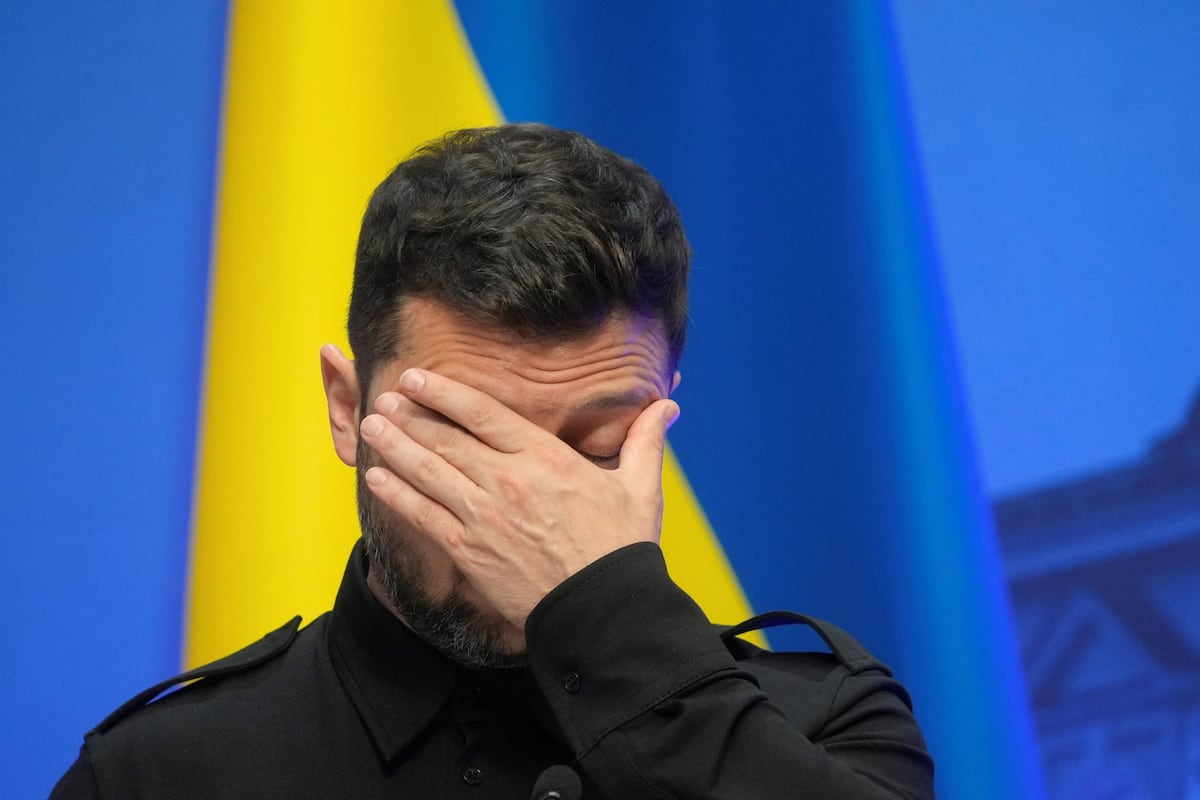
The latest round of negotiations between Russia and Ukraine, facilitated by Turkish mediation, concluded on Monday in Istanbul with limited breakthroughs. While Ukraine acknowledged "good progress in humanitarian aspects," the talks fell short of securing an unconditional ceasefire, a crucial demand from Kiev. Although Ukraine had submitted its proposal to Moscow the previous week, the Russian side only presented its document upon arriving in Istanbul, allowing a week for further consideration. A Turkish diplomatic source involved in the talks remarked, "The results are not negative."
The primary agreement reached was a comprehensive exchange of prisoners of war. Ukrainian Defense Minister Rustem Umerov detailed the plan to focus on specific categories rather than numerical parity, implementing an "all-for-all" strategy. This approach ensures the return of all prisoners within categorized groups, irrespective of the number captured by each side. The agreed categories include "critically injured or ill prisoners" and "young soldiers aged 18 to 25," with the latter exchanged in batches of 1,000 each, as clarified by Russian delegation leader Vladimir Medinski. Additionally, both sides committed to exchanging 6,000 fallen soldiers' bodies.
Kiev also presented a list concerning "several hundred Ukrainian children deported to Russia," as stated by Umerov. He emphasized, "This issue is a fundamental priority for us. If Russia genuinely seeks peace, returning at least half of the children on this list would be a positive sign."
However, Medinski denied allegations of Russia displacing thousands of children, a charge that has led to arrest warrants from the International Criminal Court for Russian President Vladimir Putin and Children's Ombudsman Maria Lvova-Belova. He claimed, "Whenever we tried to document the alleged abduction of children by the Russian Federation, no lists existed," justifying relocations as evacuations from conflict zones with reunifications if family ties were present. Moscow has already returned 101 minors to Kiev, while Ukraine reciprocated with 20 children to Russia. In Istanbul, Ukraine submitted a list with the names of 339 families seeking the return of their children.
A major point of contention remains the ceasefire, as Russia rejects an unconditional approach. Ukrainian presidential advisor Oleksandr Bevz criticized, "Diplomatic efforts must be accompanied by a ceasefire, as only silence from weapons will allow meaningful dialogue. It's challenging to discuss territory or security guarantees while Ukrainian civilians face daily violence."
Russia's ceasefire conditions were outlined at the meeting's onset in a memorandum, featuring two sections: one addressing the ceasefire and another detailing a roadmap for "achieving genuine, lasting peace." While Ukraine had already shared its proposal for Russian assessment before the meeting, Kiev refrained from commenting on the Russian document's specifics, indicating review in the coming days. Previously, Moscow stipulated that Western nations cease arms supplies to Kiev and that the Ukrainian government halt the mobilization of youth and reservists for frontline combat. For comprehensive peace, Russia's demands intensified, including Ukraine's withdrawal from all Russian-occupied provinces, even if partially, and renouncing aspirations to join Western institutions such as NATO or the EU.
Another disagreement involves Russia's refusal to include the United States or European countries in the negotiations. Ukrainian Deputy Foreign Minister Seryi Kislitsya stated, "We can't discuss long-term security in Europe, where Ukraine belongs, without the involvement of the United States and our European partners. Upon reaching a ceasefire or peace agreement, we need capable monitors, and the U.S. appears well-suited for this role." The Ukrainian delegation met with representatives from Germany, Italy, and the United Kingdom before and after their talks with Russia to "coordinate positions."
We are looking for an independent senior editor

LEAVE A COMMENT