We are looking for an independent senior editor
Apply Now





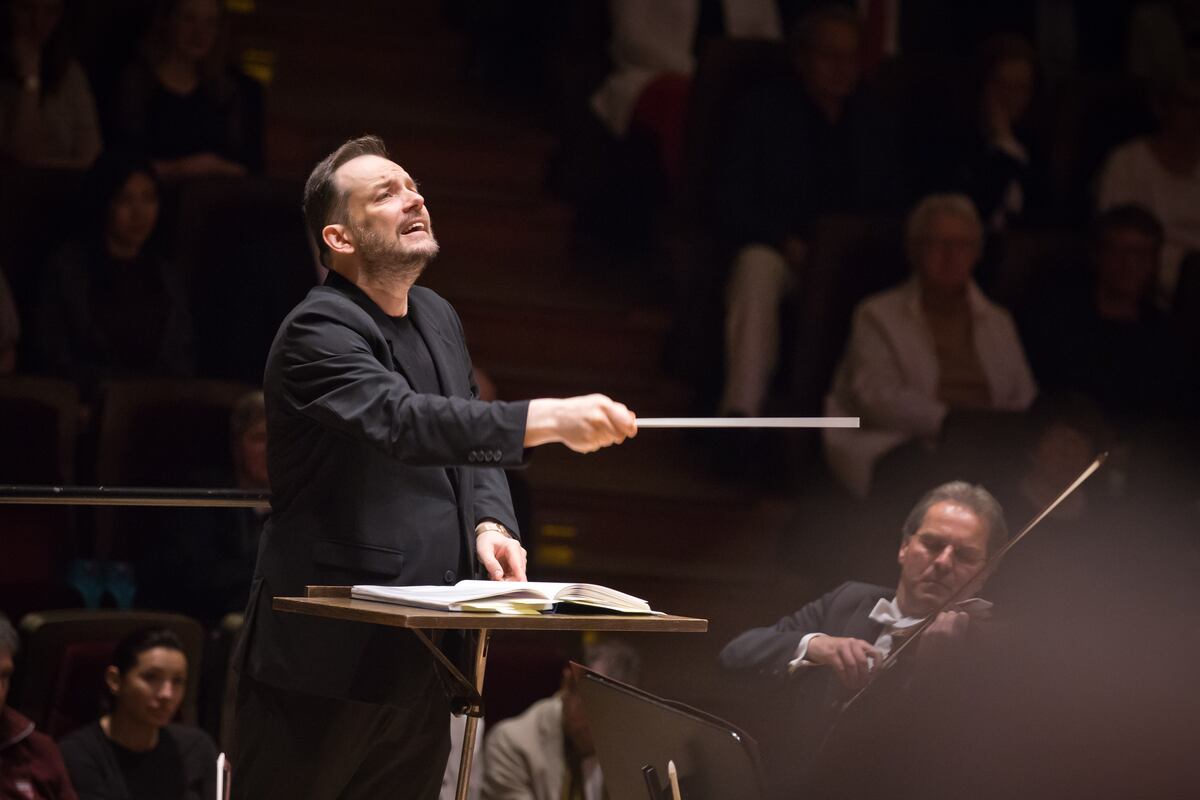
The Shostakovich Festival at the Gewandhaus in Leipzig has concluded after an extensive 18-day celebration marked by 31 concerts, operatic performances, film screenings, and engaging activities for all ages. This ambitious event, likely the most comprehensive in the West dedicated to the Russian composer, offered attendees a profound insight into the enduring influence of his work, which remains resilient half a century after his passing. Despite criticism from certain avant-garde circles, the culturally sophisticated audience in Leipzig—a city steeped in musical history with figures like Bach, Wagner, and Mahler—enthusiastically embraced even Shostakovich's most complex and cryptic compositions.
Shostakovich himself visited Leipzig in 1950 for the Bachfest, an event that underscored both musical and political narratives during the nascent years of the German Democratic Republic. The composer's presence in the city was marked by his role as jury president for the festival's competition, where his compatriot, Tatiana Nikoláyeva, emerged victorious. His experience in Leipzig inspired Shostakovich to create his own collection of 24 preludes and fugues, Op. 87, structured around the circle of fifths rather than Bach's chromatic progression, showcasing his extraordinary technical prowess.
During challenging times marked by opposition to formalism, Shostakovich's Op. 87 emerged as a testament to his artistic vision, reflecting his deep connection to European polyphonic traditions. Pianists like Yulianna Avdeeva have recently brought renewed attention to these works, performing them in their entirety and offering them alongside Chopin's Preludes, a natural pairing given Shostakovich's early recognition at the Chopin Competition in Warsaw.
The festival also featured performances by the Danel Quartet, concluding their rendition of Shostakovich's string quartets, including the enigmatic Fifteenth Quartet. Their interpretation resonated deeply with audiences, reflecting the poignant themes of life and death that permeate Shostakovich's oeuvre.
In the final symphonic sessions, conductor Andris Nelsons led the festival orchestra and Gewandhaus Orchestra, highlighting Shostakovich's Symphony No. 9 and 10. Nelsons' interpretation captured the composer's intricate blend of humor and formal perfection, culminating in a powerful reflection on the political and existential struggles that defined Shostakovich's life.
Nelsons expressed gratitude for the festival's success, emphasizing the role of culture and music in addressing the persistent challenges of our time. The festival drew a global audience, underscoring the universal appeal of Shostakovich's music and the profound communal experience it fostered. Through Nelsons' leadership, the festival became a beacon of hope and unity, celebrating the enduring legacy of one of the 20th century's most remarkable composers.
We are looking for an independent senior editor

LEAVE A COMMENT