We are looking for an independent senior editor
Apply Now





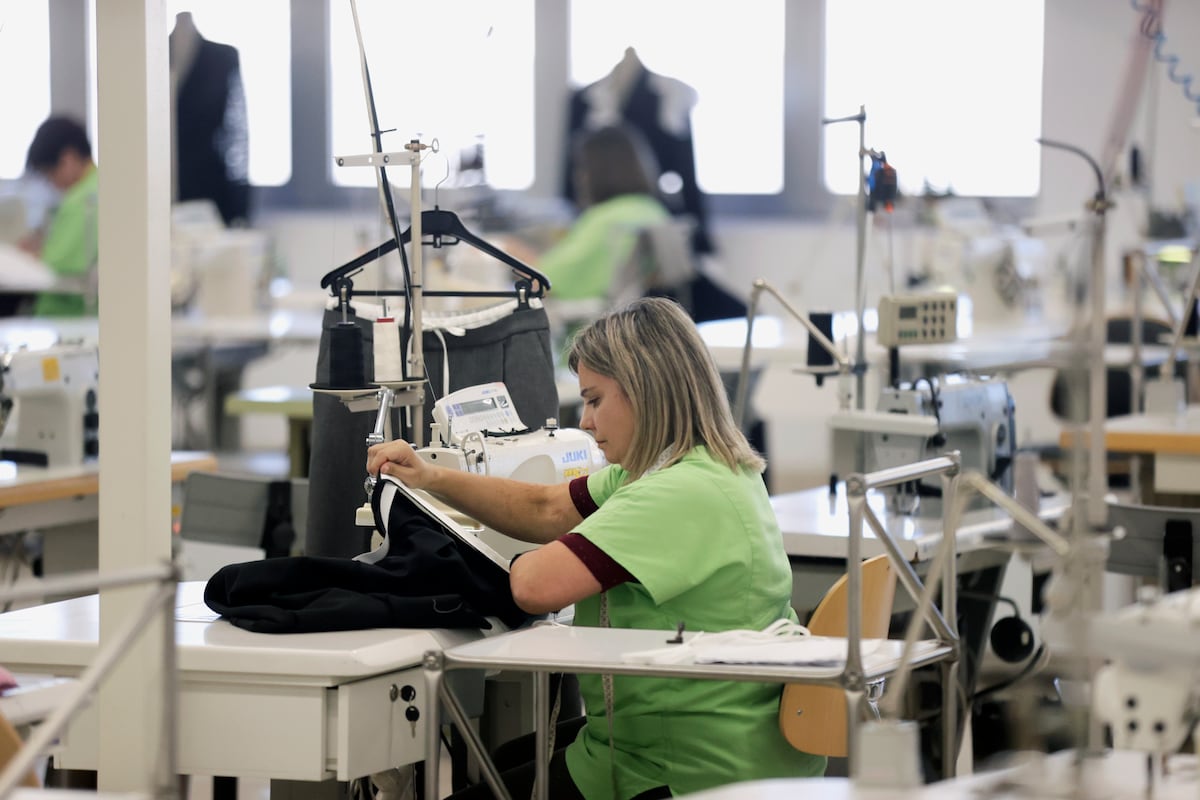
The Spanish manufacturing sector demonstrated a notable recovery in May, breaking a three-month streak of decline to enter growth territory for the first time since January. The Manufacturing PMI rose to 50.5, surpassing the critical 50-point threshold that distinguishes expansion from contraction. This represented a significant leap of 2.4 points from April and marked the highest level in the past four months. The sector saw heightened production, expanded workforces, and increased purchasing stocks, attributed to a boost in confidence as global tariff uncertainties eased compared to April, according to a report by S&P Global and Hamburg Commercial Bank (HSBC).
Business confidence regarding production for the upcoming year reached its highest point in the last three months. This growth was linked by some to underlying demand exhibiting signs of improvement and a partial alleviation of uncertainty stemming from the tariff policies of Donald Trump. Jonas Feldhusen, a junior economist at HCOB, notes that pinpointing the exact impact of tariff respite remains challenging: "Although Spain's direct dependence on the US market is relatively limited compared to Germany or Italy, the indirect effects of improved global trade prospects could also be playing a role," he states.
Despite the uptick, lingering economic uncertainties continued to exert a downward pressure on sales volumes, albeit moderately. Hesitation persisted in committing to new orders. Concurrently, purchase prices fell modestly for the first time since early 2024, as competitive pressures prompted firms to reduce selling prices significantly. "Although new orders continue to decline, the pace suggests stabilization. Consequently, firms slightly increased their stocks of intermediate goods, indicating expectations of further production expansion in the coming months," Feldhusen elaborates.
Manufacturers exercised caution in purchasing decisions last month, with the acquisition of inputs declining for the fourth consecutive month. This trend contributed to explaining the price drop, with plastics and petroleum derivatives being particularly sensitive to this dynamic. Some respondents lamented supply issues, attributed to inadequate stocks from suppliers and delays in maritime routes.
European Industry's Gradual Recovery
Across Europe, the manufacturing sector showed some improvement in May, though full recovery remains elusive. The European Manufacturing PMI rose by four-tenths since April, reaching 49.4 points, edging closer to the growth threshold of 50. Demand for eurozone products displayed signs of stabilization, with firms showing less propensity for employment cuts, reduced input purchases, and inventory reductions. Business sector confidence received a boost in May, reaching its highest level since February 2022.
Among eurozone countries, Greece stood out in May, maintaining a score of 53.2 points, while Spain ranked second. Meanwhile, other countries' manufacturing sectors experienced moderate declines. France's industrial economy nearly stabilized, rising three-tenths to 49.8 points, its highest in 28 months. Conversely, Germany found itself at the bottom of the list, despite its decline being one of the mildest observed in the past three years.
"Monetary easing by the European Central Bank and fiscal stimuli, such as Germany's economic support package, could have positive indirect effects across the eurozone," Feldhusen suggests, but he cautions that "the erratic trade policies of the US under Trump's presidency remain a source of uncertainty, continuing to limit the reliability of global planning."
We are looking for an independent senior editor

LEAVE A COMMENT