We are looking for an independent senior editor
Apply Now





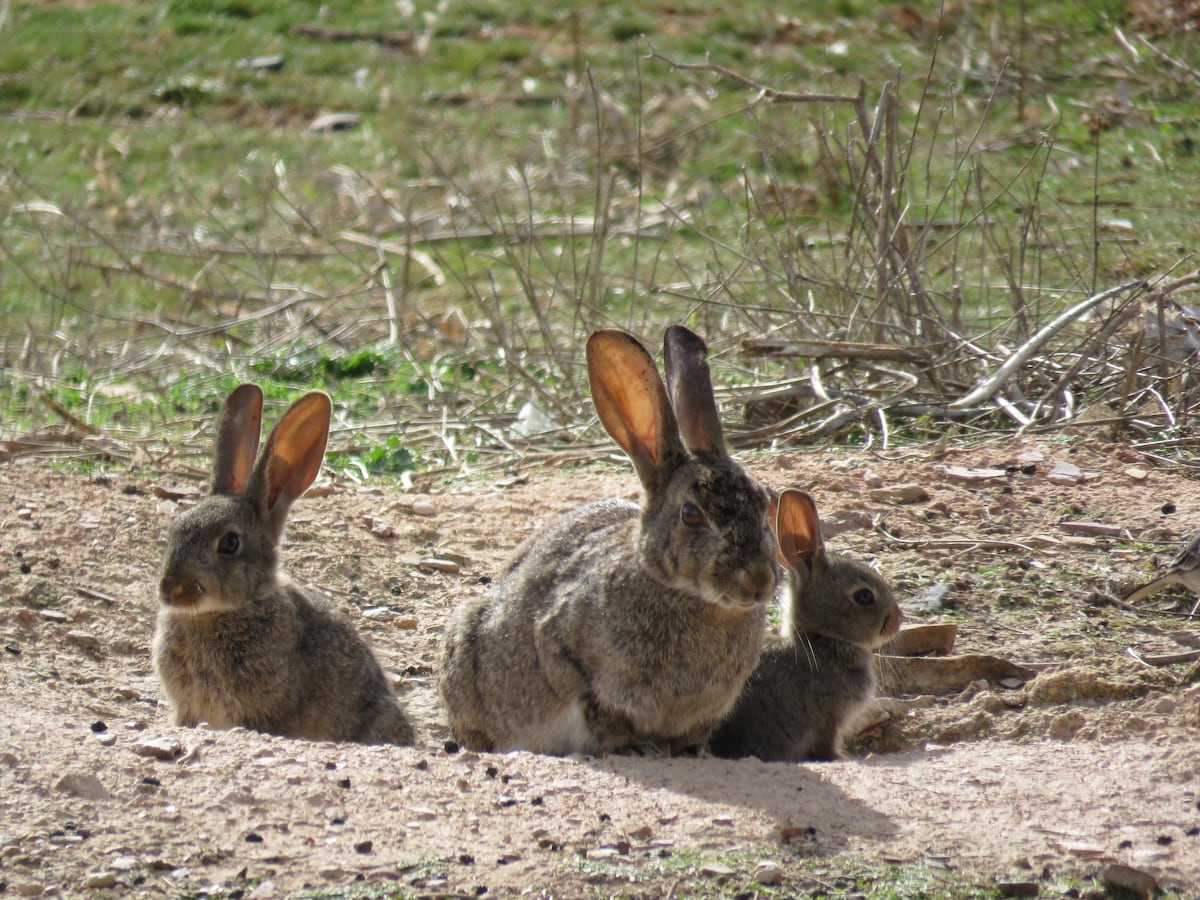
The inaugural census of the wild rabbit in the Iberian Peninsula unveils a widespread reduction of 18% between 2009 and 2022, with significant variations across different regions. In forest and mountainous areas, the species is experiencing a free-fall with a 57.75% decline, whereas agricultural zones report a mere 10% decrease, albeit with a recent upward trend. The decline is attributed to changes in land use, particularly the disappearance of traditional mosaic landscapes, and disease outbreaks. This study, part of the European Life Iberconejo project, features a detailed map illustrating the population density of these animals—information deemed "vital for decision-making based on the species' status, crucial in Mediterranean landscapes," according to the study's authors.
The survey utilized data from hunting captures alongside field explorations in Andalucía, Castilla-La Mancha, Extremadura, and Portugal, all of which are involved in the project. The map reveals the dual nature of the wild rabbit population, with fluctuations from one region to another. High density is observed predominantly in four large Spanish areas associated with agricultural settings—the southern and northern plateaus, and the valleys of Ebro and Guadalquivir. These regions highlight the conflict with agriculture. "In some areas, rabbit outbreaks cause severe damage due to abundant food and scarce predators, overwhelming local hunters," explains Ramón Pérez de Ayala, director of the Life project and member of the WWF conservation organization.
Conversely, areas dominated by Mediterranean forests, such as Sierra Morena, the Extremadura mountains, and much of Portugal, where rabbits should play their ecological role as prey species and where hunting brings socio-economic benefits, are witnessing a stark decline. This situation underscores why the International Union for Conservation of Nature (UICN) has classified the species as endangered. The map, created with a resolution of 2 x 2 kilometers across the Iberian Peninsula, achieves an unprecedented level of detail on a national scale, according to the authors.
The drop in rabbit numbers is particularly concerning due to their significant ecological and socio-economic role. Dubbed "ecosystem engineers" by map authors, rabbits shape their environment and serve as prey for more than 40 mammal and bird species in Mediterranean forests. The lynx and imperial eagle rely entirely on this species, which is also crucial for the black vulture and Bonelli's eagle. Other predators include foxes, snakes that consume kits, and wild boars that can decimate entire litters in their first weeks of life.
To devise the species distribution map, researchers from the Institute of Research in Hunting Resources (IREC - CSIC, UCLM, JCCM) developed a mathematical model integrating various data sources: large-scale population statistics—from hunting records—regional and local data—rabbit counts or signs of their presence—and habitat characteristics. The research was founded on collaboration among all stakeholders involved in species management, including the Ministry of Agriculture, Fisheries and Food, and Portugal's Institute for Nature Conservation and Forests (ICNF). This partnership, which also involved scientific, conservationist, hunting, and agricultural entities, enabled the standardization of monitoring methodologies for wild rabbits and coordinated data collection in their territories, the project team notes. Only through this approach can "reliable and comparable results at the Iberian scale" be achieved, they conclude.
We are looking for an independent senior editor

LEAVE A COMMENT