We are looking for an independent senior editor
Apply Now





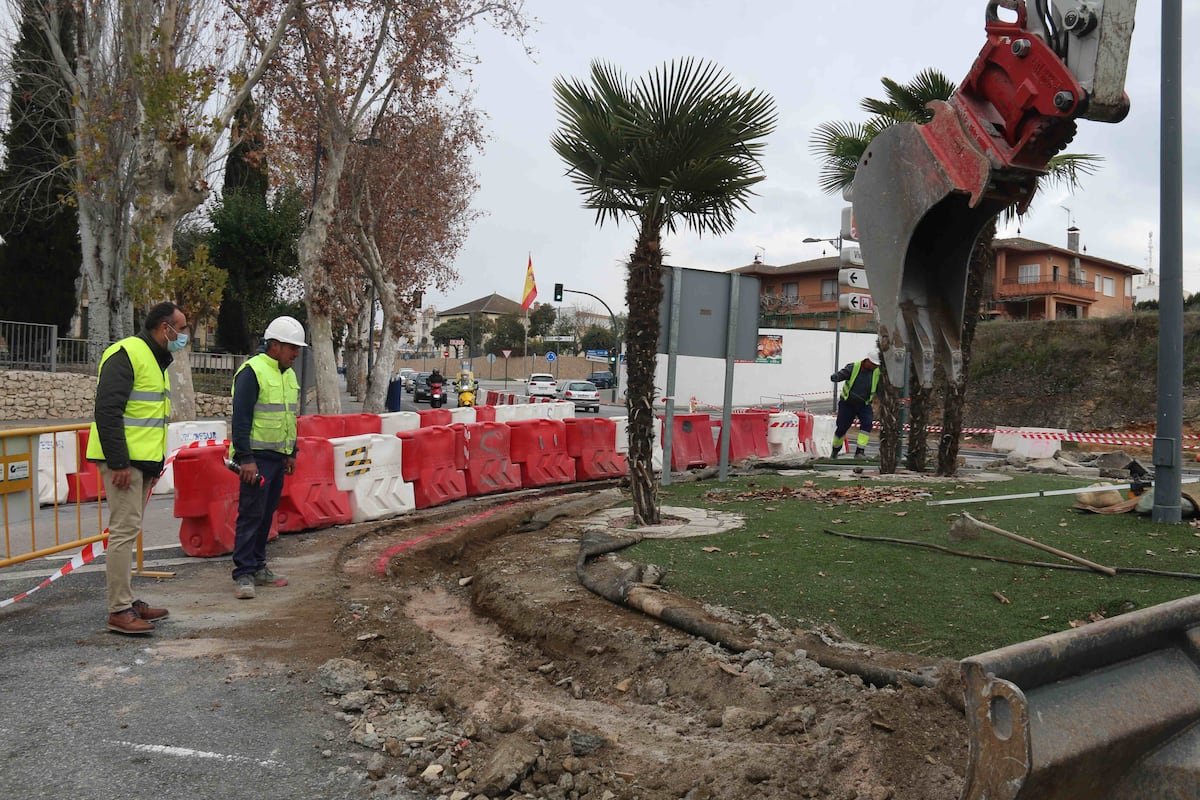
The infamous Marchelo case, a massive urban corruption trial involving the People's Party (PP) in Granada, has started yielding verdicts nearly two decades later. Initiated in 2007 and encompassing 14 defendants, the case revolves around urban planning in Alhendín, a small town close to Granada city. Due to its complexity, it was split into three parts, all originally involving councilors who authorized questionable projects and entrepreneurs who manipulated the system to reward the urban planning officials.
In two of these segments, the Granada Provincial Court uncovered illegal urban agreements and land transactions, leading to settlements favorable to the accused, thus avoiding trials. The harshest penalty was issued to Manuel Fernández Moreno, a former Urban Planning Councilor, receiving a two-year sentence he won't serve. Five business figures, including Juan Muñoz Tamara, the husband of TV host Ana Rosa Quintana, received one-year sentences they also won't serve. Seven others were acquitted.
The settlements required the accused to acknowledge the prosecution's account of events, with penalties decided favorably due to a 2015 Penal Code amendment. The narrative details how Fernández Moreno bypassed regulations to facilitate building the Alhendín Business Park for a group led by Muñoz Tamara. Between 2002 and 2005, the exact timing uncertain, Fernández Moreno connected with the businessmen to develop an industrial park in the area.
The lines between administration and business blurred as both parties created various companies, with Fernández Moreno owning a concealed 1.5% share, generating illicit profit and wealth from the project's success. Tensions arose between him and the entrepreneurs, leading to his arrest in February 2007, just as he was about to gain nearly three hectares of industrial land.
Before the arrest, an urban agreement was proposed by the entrepreneurs and approved by the then-mayor—who was later excused due to age and illness—bypassing significant urban regulations. This approval needed the nod of three other councilors, later acquitted after Fernández Moreno admitted their non-involvement.
The second segment involved Fernández Moreno and another entrepreneur, Fernando Rodríguez Acosta, who aimed to build nearly 1,400 multi-family units by manipulating municipal rules to fit their agenda. Numerous irregularities were found, including the councilor receiving a house which he occupied briefly before his capture.
The case concluded with a maximum two-year sentence for Fernández Moreno for bribery, continuous embezzlement, and administrative malfeasance, and one-year sentences for five entrepreneurs. The Marchelo case still has a pending segment without a set date, also involving Fernández Moreno.
Meanwhile, former mayor José Guerrero was absolved of responsibility. He, with his siblings, bought a rural plot for 9,000 euros in pesetas, which he later converted to urban land as mayor, increasing its value to 300,000 euros. Guerrero had a buyer ready to build a gas station on land not zoned for it, facilitating the reclassification and securing payment, though only half was officially declared. Future proceedings will address the government board that approved these changes and a technical advisor.
We are looking for an independent senior editor

LEAVE A COMMENT