We are looking for an independent senior editor
Apply Now





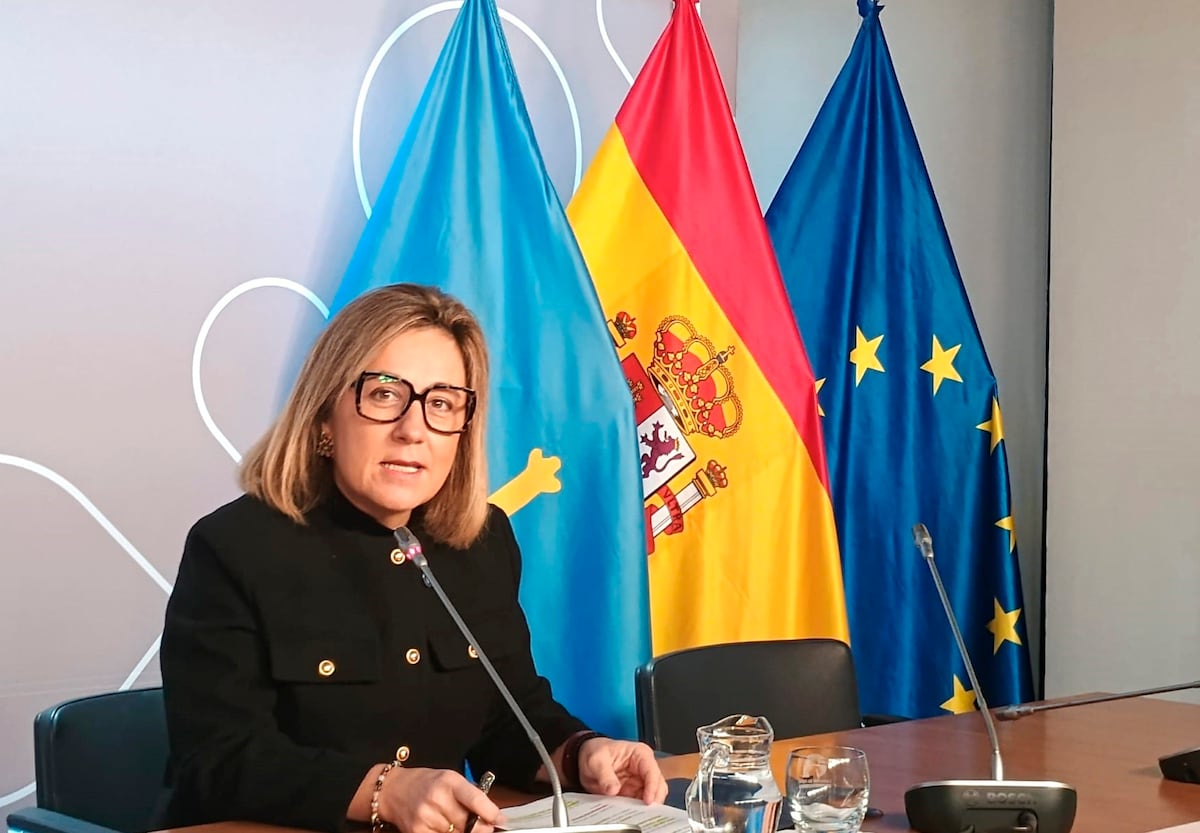
In a dramatic turn of events, the Education Minister of Asturias, Lydia Espina, has announced her irrevocable resignation following a tumultuous week marked by fraught negotiations between the Asturian government and educational unions. The negotiations, aimed at resolving the growing discord, collapsed, culminating in a large-scale protest in Oviedo, reportedly attended by 30,000 individuals, and the escalation of a strike that has now become indefinite across all non-university schools in the Principality.
Espina communicated her decision in a heartfelt letter to the Asturian President, Adrián Barbón, acknowledging the immense emotional and personal toll recent events have taken on her. She lamented that the ongoing conflict had moved beyond rational and political discourse, encroaching upon personal boundaries, and overshadowing any potential for respectful dialogue necessary to enhance public education.
Having served as Education Minister since July 2021, and previously as the Director General of Educational Planning and Infrastructure, Espina expressed her belief that under the current circumstances, she could not contribute to a resolution she remains hopeful will eventually be achieved. She voiced concern that the ongoing conflict might undermine the public's trust in the education system, which ranks highly in both national and international evaluations, not only for academic success but also for its equity.
The unrest in Asturias' public education sector began in April, following a contentious decision by the ministry to eliminate reduced working hours for teachers in June and September, to accommodate extended dining services during these months. This decision sparked a backlash from unions, leading to President Barbón reversing the policy and announcing in Parliament that the reduced hours would remain intact.
However, the situation had already escalated, with five major educational unions—ANPE, CC OO, SUATEA, UGT, and CSIF—presenting a series of demands, including salary increases, larger staff numbers, reduced bureaucracy, and additional resources to support diverse student needs.
During her medical leave, Espina acknowledged her mistakes but stressed that her decisions were never intended to harm or disregard anyone. Her intent was always to strengthen an educational system that nurtures all students' abilities, supports their emotional well-being, and meets the needs of Asturias' society.
In light of these developments, the educational unions are demanding a government representative with the authority to negotiate their demands and present a viable economic proposal for Asturias' education system. Consequently, the Vice President of the Asturian government, Gimena Llamedo, and the spokesperson for the regional executive and finance minister, Guillermo Peláez, will temporarily lead the negotiations with the unions.
President Barbón has publicly expressed his gratitude to Espina for her dedication and commitment, sharing her resignation letter on social media.
This marks the second resignation within the Barbón administration in just over a month and a half. On April 15, following a mine accident in Zarréu that resulted in five fatalities, the then-Minister of Ecological Transition, Industry, and Commerce, Belarmina Díaz, also stepped down.
These resignations have been preceded by calls from right-wing parties in the Asturian parliament. Álvaro Queipo, President of the Asturias PP, criticized the government's instability and called for President Barbón to step aside, suggesting that early elections might be necessary. Similarly, Vox deputy Javier Jové has demanded early elections in the Principality.
While IU-Convocatoria por Asturias, a coalition partner with the PSOE, has not commented, CC OO's general secretary, José Manuel Zapico, deemed Espina's resignation a necessary response to the teachers' massive protest in Oviedo.
We are looking for an independent senior editor

LEAVE A COMMENT