We are looking for an independent senior editor
Apply Now





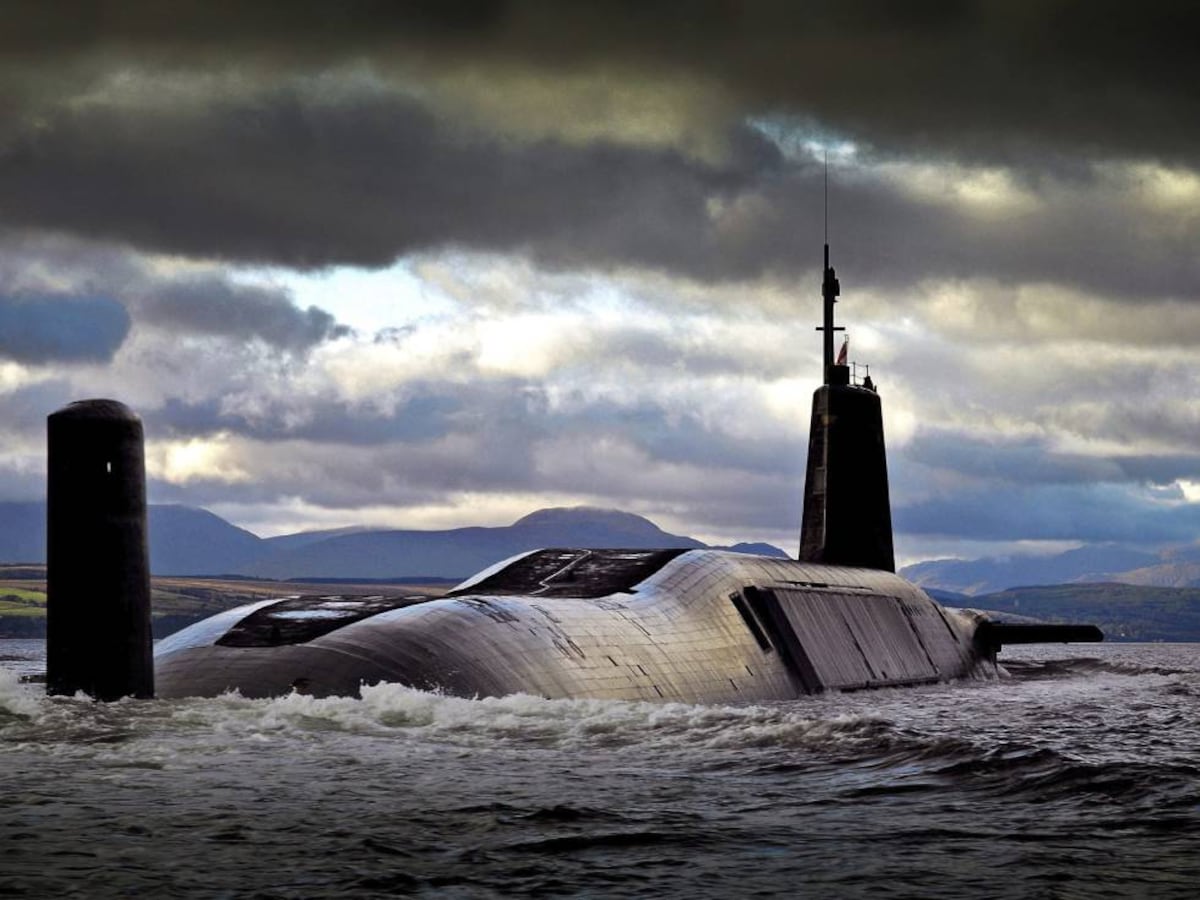
The United Kingdom, under the leadership of labor leader Keir Starmer, has inherited a military stretched thin in terms of weaponry, ammunition, and manpower from previous Conservative governments. However, like his predecessors, Starmer recognizes the critical role of nuclear deterrence, positioning the UK alongside France as a vital player in Europe's defense strategy. This understanding has driven the recent strategic decision, included in the new Strategic Defense Review announced by Downing Street, to develop a new fleet of nuclear submarines, totaling 12 units. According to the Prime Minister, this initiative is about transforming the UK into a nation "preparing for war."
Currently, the UK's submarine fleet includes nine vessels, with seven being Astute-class submarines armed with Trident ballistic missiles. These submarines patrol the waters with utmost secrecy regarding their locations, forming the backbone of Britain's nuclear deterrence.
Starmer has declared the plan to construct a dozen SSN-AUKUS submarines by the end of the next decade as part of the AUKUS program, in collaboration with Australia and the United States. This alliance is central to London's rearmament efforts, which also feature a newly signed defense cooperation agreement with the EU.
"The threat we face today is more serious, immediate, and unpredictable than during the Cold War," stated Starmer during a visit to Scotland, where the nuclear submarines are based. "We are confronted with a war in Europe, new nuclear risks, daily cyberattacks, increased Russian aggression in our waters, and threats in our skies, which have led to economic hardships, especially for working-class communities," the British Prime Minister emphasized.
The submarines will be constructed at Barrow and Raynesway shipyards in Derby, with an expected production rate of one every 18 months.
The UK will allocate approximately 18 billion euros to ensure the continuation of the Continuous At-Sea Deterrent program, which maintains a constant and secretive submarine presence underwater. Nearly 9,000 individuals are dependent on this program.
Starmer is also committed to modernizing the Atomic Weapons Establishment's infrastructure, enhancing the program for manufacturing and acquiring nuclear warheads.
The new defense strategy, crafted by former NATO Secretary General George Robertson, marks a shift from decades of intervening in overseas missions to focusing on national defense and "preparing for war." The document calls for strengthened security in the Euro-Atlantic area under the Alliance's umbrella.
The British Prime Minister has embraced Robertson's core message, using the phrase "preparing for war" to describe the UK's new direction.
The Starmer administration pledges to significantly increase ammunition reserves by acquiring up to 7,000 long-range weapon units, investing nearly 1.8 billion euros in building six new ammunition factories.
The strategy, encompassing 62 recommendations fully adopted by the government, outlines the creation of a new command center to counter cyber and electronic threats, with artificial intelligence technology at its heart.
Alongside military reinforcement, the labor government is dedicated to enhancing the living conditions and equipment for all Armed Forces members.
We are looking for an independent senior editor

LEAVE A COMMENT