We are looking for an independent senior editor
Apply Now





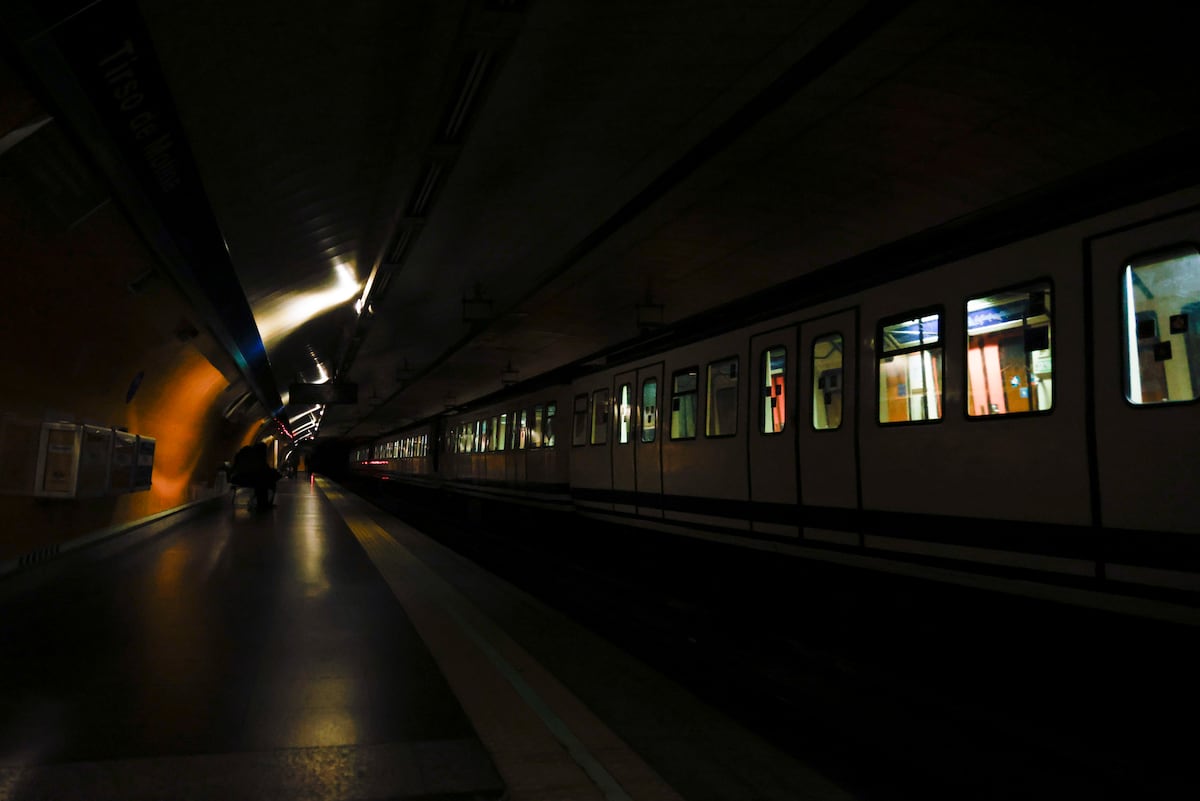
The Madrid Metro management has allocated €210,652.23 for the procurement of 60 satellite mobile terminals. This decision follows the chaos unleashed by the blackout on April 28, which necessitated the evacuation of approximately 150,000 passengers. According to an emergency contract accessed by EL PAÍS, the sudden power outage disrupted communication across the network's extensive 200-kilometer track system, posing a severe risk to passenger safety. Some trains were left adrift, moving by inertia toward platforms, while others were stranded mid-journey.
The blackout halted 186 trains in stations and 44 within tunnels, creating a dangerous scenario where the loss of communication increased uncertainty and directly endangered passengers' well-being. Without the ability to request emergency assistance, the situation was precarious. The documentation emphasizes the necessity of acquiring equipment to maintain operational voice communications to mitigate risks to both passengers and Metro employees. The absence of immediate action due to inadequate communication systems could lead to irreversible damage.
The blackout, which left Spain in darkness for hours, was officially recorded at 12:33 p.m. on April 28. However, issues were detected earlier, with power fluctuations reported at 11:09 a.m. and again at 12:03 p.m. by the chief load dispatcher. These fluctuations affected crucial infrastructure components like escalators and transformation centers, essential for passenger mobility.
Faced with an unprecedented challenge, Metro authorities acted swiftly. By 12:42 p.m., less than ten minutes after the blackout onset, they began evacuating stranded trains and stations. By 12:49 p.m., passengers trapped mid-route were instructed to walk on tracks to the nearest station. By 1:00 p.m., intermediate managers were authorized to evacuate trains between stations.
This monumental task involved evacuating 150,000 individuals from the Madrid Metro. In comparison, Barcelona evacuated around 20,000, Valencia 8,000, and Seville 1,400 passengers. These numbers highlight the scale of the Madrid effort, which rivaled the total number of Renfe services affected across Spain, totaling 200,000. The evacuation involved more people than the populations of provincial capitals like Salamanca, Lleida, Ávila, or Soria.
A company spokesperson noted that the busiest stations, including Sol, Avenida de América, Nuevos Ministerios, Moncloa, and Príncipe Pío, saw the most evacuations. The evacuation process concluded at 1:42 p.m., marking a grueling hour of efforts to clear the system and allow workers to focus on restoring full functionality. Restoration work continued throughout the night to ensure normal operations resumed the following day.
The blackout's complexity was exacerbated as uninterruptible power systems failed due to battery depletion, further eroding communication between authorities, company management, command centers, trains, and stations. This breakdown underscored the urgent need for robust communication solutions to prevent future crises of this magnitude.
We are looking for an independent senior editor

LEAVE A COMMENT