We are looking for an independent senior editor
Apply Now





Underwater volcanoes, vibrant ecosystems thriving without sunlight, eerie noises from the deep, submerged civilizations, unknown creatures, and the song of whales... The mysteries of the sea are as vast as the ocean itself. These unknowns feed the legend of a submerged world that has fascinated humanity since ancient times. It's a mystery that grows larger because, even with today's technological advancements, we barely know 5% of the oceans. Yes, it might seem unbelievable, but it's almost easier to send expeditions to space than to the Mariana Trench (11,020 meters deep), where immense pressures and zero visibility challenge oceanographers.
However, one activity should not belong to this group of enigmatic uncertainties. Due to its significant role in the future of global nutrition, in providing high-quality proteins, and in promoting responsible fishing, aquaculture should not be a mystery to anyone.
Unfortunately, for some, it still is. A study by GFK reveals that a third of the population is unaware of aquaculture's existence, perpetuating many prejudices founded on falsehoods or half-truths about the sector. But knowing the truth about how fish are cultivated in Spain's seas and rivers will sink all those unfounded rumors.
First, we must ask what is meant by sustainable development. If it is conceived as the ability to use today's natural resources without depleting them for future generations, ensuring economic balance, environmental care, and social well-being, we can undoubtedly say that Spanish aquaculture is a sustainable practice.
Javier Ojeda, manager of Apromar (the Spanish Aquaculture Business Association), goes further: "Considering the nutritional quality of the food obtained (fish) and the minimal environmental impact required to obtain it, it's likely that nothing in our entire food system is more efficient and sustainable than aquaculture," he asserts. "And all of this, following the European Union's quality and safety standards, which are among the most stringent in the world."
In Spain, several archaeological sites prove that 2,000 years ago, the Romans had the great idea of building ponds connected to the sea through channels that could be manually closed with perforated gates. This system allowed them to contain fish with the aim of cultivating specimens and supplying fresh fish to the population.
That was a long time ago, but now Spanish aquaculture is experiencing its peak. The expectations are high: thanks to its capacity for innovation, the entrepreneurship it generates, and sustainable use, aquaculture could soon become one of the most important means of food supply for much of humanity.
It's impossible for fish from Spanish aquaculture to reach consumers with any trace of medication. Currently, medicated feed use represents only 0.3% of the total. In every case, the treated fish always comply with the mandatory withdrawal period, ensuring the complete elimination of any medication traces before being harvested for consumption.
Just like calves or chickens, cultivated fish can get sick. Therefore, as Ariadna Sitjà, a research professor at the Spanish National Research Council (CSIC), explains, it must first be avoided, and if necessary, infections must be controlled and treated. "In the European Union, the use of veterinary medicines is strictly regulated. For example, preventive treatments are not allowed, and all use must be controlled by registered veterinarians," the scientist assures. A framework for the sustainable use of antibiotics in animal species of interest, including aquaculture, has also been established to reduce use and combat antimicrobial resistance.
Furthermore, the Central Computer System for Monitoring Veterinary Antibiotic Prescriptions (Presvet) allows for tracking and monitoring antibiotic consumption in aquaculture operations. "Thanks to investment in vaccines and preventive measures, in some countries, antibiotics are hardly used in aquaculture anymore," Sitjà notes. "The quality and safety of European aquaculture fish are exactly the same as the beef or chicken fillets we consume, as they are subject to the same controls to ensure this."
It's nearly impossible to surpass, or even match, childhood summer memories. It's also challenging to replicate the taste of that freshly caught fish grilled by grandpa. But nostalgia doesn't contradict reason, nor can it deny reality: most people who participated in blind tastings with wild and farmed fish could not tell them apart. The same applies to their nutritional composition. Both farmed and wild fish provide the same omega-3 fatty acids, proteins, minerals, and vitamins, making them equally essential in any healthy diet.
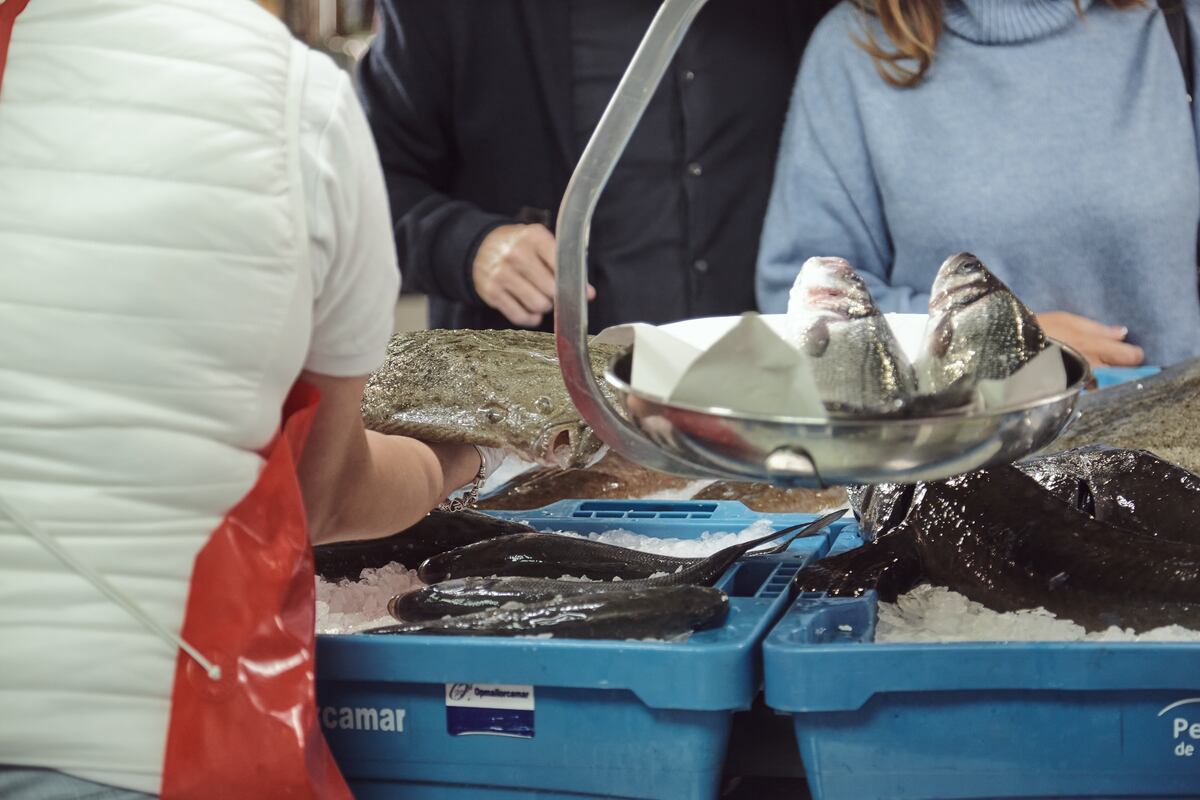
However, aquaculture has another advantage: in the case of some species, such as sea bass, gilthead bream, turbot, or rainbow trout, the majority (over 90% in many cases) come from aquaculture. As Javier Ojeda highlights, "Without aquaculture, we couldn't eat these fish: they would be completely inaccessible to almost all of us. That's why it's so important that we keep advancing in achieving more and better Spanish aquaculture, because it's the only way to guarantee safe, tasty, and sustainable fish for everyone."
With over 8,000 kilometers of coastline, eight major rivers, more than 5,200 aquaculture facilities, more scientists and researchers working in aquaculture than in any other European country, and the largest aquaculture harvest in the European Union, these figures speak of Spain's extraordinary strategic potential to lead this blue transformation of the food system. "We are fortunate to have great aquaculture, which is a global benchmark," says Javier Ojeda of Apromar. "Spanish aquaculture fish usually reaches Spanish homes in less than 24 hours after being harvested: it couldn't be fresher!"
Have we just figured out tomorrow's menu?
We are looking for an independent senior editor

LEAVE A COMMENT