We are looking for an independent senior editor
Apply Now





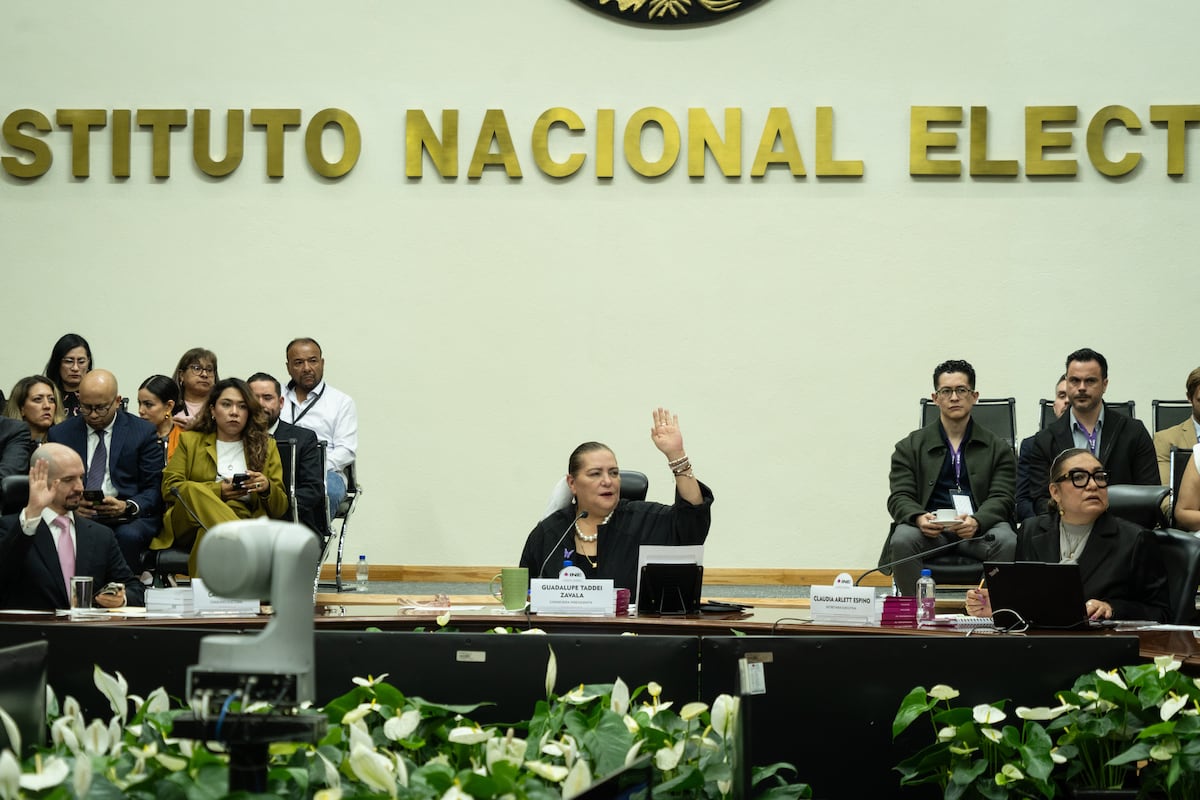
The
National Electoral Institute (INE) has recently assessed its performance in the wake of a judicial election fraught with adversity. The process, described by most council members as "full of challenges and difficulties," has been complicated by the constitutional reform and the legal framework it introduced. With voter participation hovering around a mere 13%, the INE braces itself against anticipated criticisms, particularly as the ruling party,
Morena, had expected higher voter engagement.
Among the
obstacles cited by the INE are the significant budget cuts imposed by Congress, slashing nearly 50% off the requested 13.2 billion pesos, along with the limited time allocated for election planning and various irregularities throughout the process. Notable among these are printed lists, or "accordions," intended to guide voters. INE counselor
Jaime Rivera highlighted the interference of "powerful political machines" with "abundant economic resources" engaging in illegal propaganda for certain candidates. According to Rivera, this orchestrated political maneuvering has left an indelible stain on the elections, a sentiment echoed by the majority of the council.
As the electoral process commenced, the council reflected on the arduous journey leading up to June 1. Key issues included legal applications, electoral geography, candidate distribution, ballot design, and the complexities involved in casting votes. The counselors criticized the lack of budgetary and temporal support from the ruling party, with Arturo Castillo noting that the Congress denied even a modest two-month extension request that could have set a vital precedent for 2027. Furthermore, the INE faced delays in reform implementation due to judicial mandates, which also led to a reduction in polling stations from 172,000 to 84,000. "The citizens will ultimately be the most affected, not only by the voting conditions but also by the prolonged uncertainty," Castillo remarked.
The INE members maintained their firm stance, with Claudia Zavala asserting that the elections were marred by an illegal and imprecise constitutional reform. She stressed that the reform's inconsistencies undermined citizens' rights, notably excluding the previously secured vote from abroad. As over 2,600 federal and local judges were elected by popular vote, this marks the first phase in the implementation of a contentious constitutional reform.
We are looking for an independent senior editor

LEAVE A COMMENT