We are looking for an independent senior editor
Apply Now





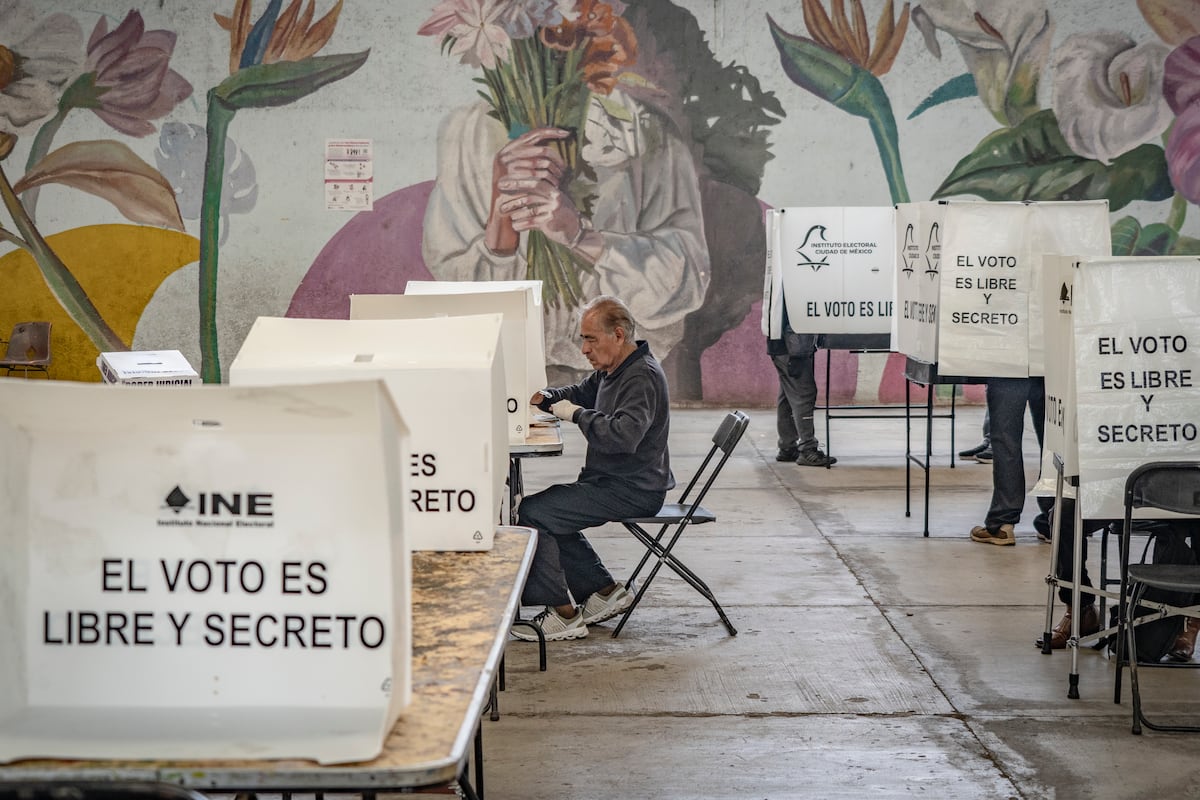
The inaugural judicial elections in Mexico have concluded with a participation rate of merely 13%, starkly contrasting with prior survey predictions. This tepid voter turnout was anticipated as polling stations remained largely vacant throughout the day. The electorate faced an arduous task: choosing from thousands of largely unfamiliar candidates vying for 2,681 positions, compounded by the complexity of more than six ballots, which deterred many from participating. Voters could not simply opt for a political party, as names were central to the decision-making process.
Despite the low turnout, Claudia Sheinbaum hailed the event as a "success," celebrating the involvement of 13 million voters. She reiterated that if the government intended to appoint judges of its preference, it would not have allowed the populace to decide. Sheinbaum criticized the judicial powers for previously "favoring organized crime" and "economic crimes," asserting that today, "Mexico is the most democratic country in the world." Previously, she considered a 5% voter turnout acceptable, making a two-digit figure seem like a victory.
Opposition parties contributed to the lack of participation by urging abstention, opposing the process they deemed partisan. They warned the ruling party against manipulating turnout figures. As the polls closed, leaders of the conservative National Action Party (PAN) dismissed any claims of turnout exceeding 10%, labeling them as "tall tales." With such low participation, opposition parties could have easily placed a preferred judge in the Supreme Court but chose to disregard the elections instead.
Though the process might lack political legitimacy, the PAN acknowledged the election of new judges. Its national leader, Jorge Romero, extended the benefit of the doubt to the newly elected judges, urging them to prove their commitment to objectivity and justice over power.
The voting process resembled an examination: secretive, deliberate, and time-consuming, with voters spending about ten minutes filling out ballots. The counting process will similarly be lengthy. This election coincided with local elections in Durango and Veracruz, but in 2027, the second phase of judicial elections will overlap with the nationwide midterm elections, adding complexity.
The election day spotlight was on Andrés Manuel López Obrador, who cast his vote amidst media and public curiosity in Chiapas. Absent from public life since transferring power to his successor on October 1st, the former president reemerged, expressing pride in the democratic right to elect judges for the first time. He lauded Mexico's democracy and praised the current president, stating he was in good health and content.
López Obrador laid the groundwork for the judicial reform that Sheinbaum implemented, passed by Congress with little time and political consensus. The comparative analysis of both presidents' ability to mobilize voters will be inevitable. Despite Sheinbaum's popularity and historic electoral victory, she failed to engage citizens this time, unlike López Obrador, who secured a 17% turnout during a similarly unprecedented midterm referendum on his presidency.
The rushed nature of this election further complicated matters. Voters had insufficient time to navigate the complex selection process among thousands of candidates. This system is globally unprecedented; few countries elect judges by popular vote, and none across all judicial levels. Only the ruling party, Morena, and its allies advanced the judicial reform, leading opposition supporters to heed calls for abstention.
The popular election of judges, magistrates, and Supreme Court ministers remains the most contentious component of the judicial reform, posing significant challenges for President Sheinbaum. Despite the ruling party's substantial majority and enduring rapport with the public, the low turnout dampened their celebratory mood.
The historic election has concluded, yet the effectiveness of these new judges in addressing the entrenched issues of corruption, elitism, and political collusion in Mexican courts remains uncertain. The Supreme Court, heavily critiqued by Morena leaders, will soon reveal its elected members, some of whom held prior positions and were familiar to voters in the capital. They may now assume roles with popular endorsement.
All candidates faced a mandatory reapplication if previously serving, and apart from the Supreme Court, campaigns were legally constrained, requiring candidates to self-fund simple promotional activities. The controversy over paper or digital ballots, filled with candidate names to guide voters, remains a point of criticism, with the electoral body expected to address it.
The initial vetting of candidates by the Executive and Legislative branches (with the Judiciary stepping aside) was marred by errors, allowing inexperienced profiles, and at times, individuals with ties to narcotics or prior judicial misconduct to slip through. The electoral body must retrospectively address these challenges, as there was no time before the election when ballots had already been printed.
In some states, the electoral surprises were nonexistent, as only one candidate was approved for a single position, nullifying the electoral exercise. Critics have decried this as a collusion of interests to ensure a predetermined outcome. The official party has marketed these elections as the most democratic method of selection and a remedy for Mexico's pervasive judicial corruption, where impunity exceeds 90%. Yet, convincing the Mexican public that a simple popular vote will eradicate corruption remains a challenge, given ample evidence to the contrary in the political arena.
Recent revelations of candidates with criminal links or questionable practices have further eroded trust. Criticism has intensified against the ruling party, as Morena-majority legislators screened the candidates, raising suspicions of potential party allegiance. Analysts warn this could backfire if judges issue questionable rulings, shifting complaints from the judiciary to those who orchestrated the process.
We are looking for an independent senior editor

LEAVE A COMMENT