We are looking for an independent senior editor
Apply Now





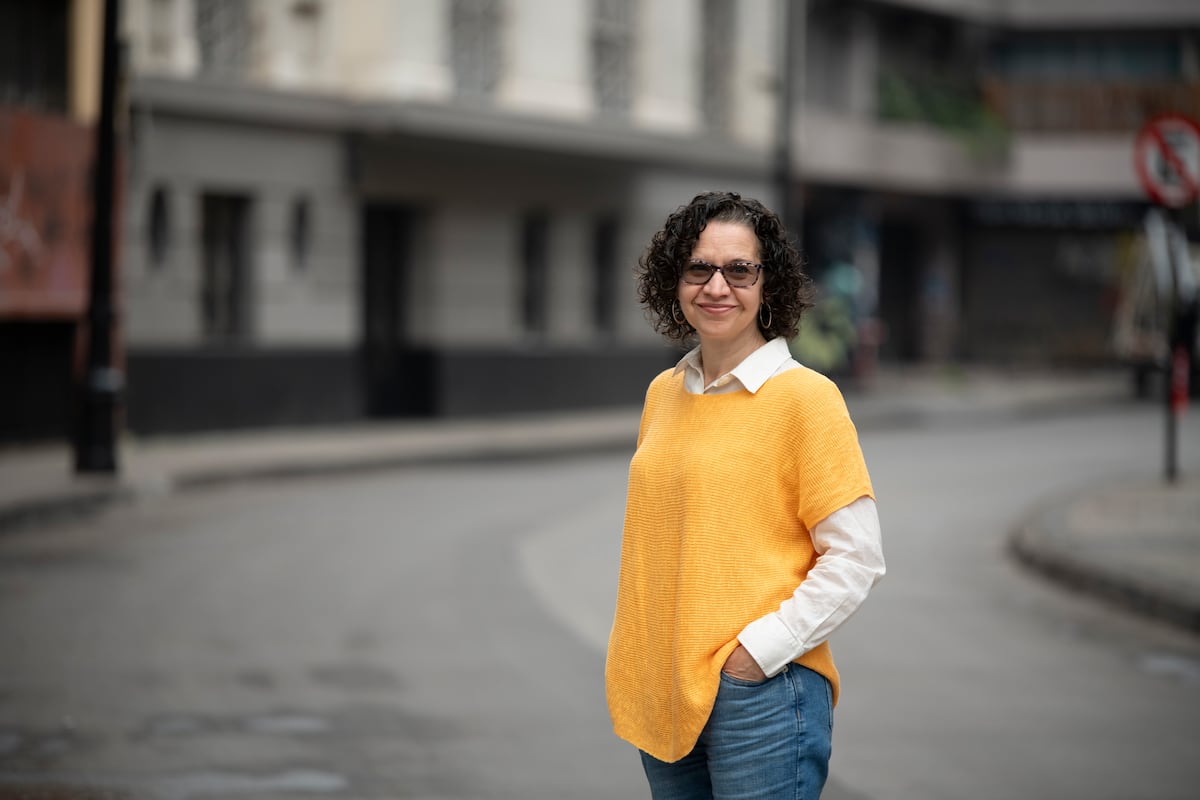
Nara Milanich, a distinguished historian specializing in Latin American studies at Barnard College, Columbia University, delves into the intricate tapestry of childhood history, asserting that even the lives of children are deeply entwined with political narratives. Her extensive research in Chile culminated in a pivotal work titled "Hijos del azar: Infancia, clase y Estado en Chile, 1850-1930," originally published in 2009 and recently available in Spanish.
Milanich's book unveils the complex lives of children without known affiliations, who resided in orphanages and served as household servants. Through their stories, she explores themes of kinship, paternity, and illegitimacy, alongside class distinctions, patriarchal influences, and state dynamics. Her investigative journey through judicial archives revealed unfamiliar subjects and practices, highlighting a significant portion of the population—children—who often defied conventional expectations.
One poignant example from Milanich's findings is a young witness in a criminal case, a seven-year-old who identified himself as a house servant rather than a family member. Such instances were not anomalies but part of a widespread practice where children were raised as servants, challenging today's ideology of childhood.
Historically, childhood has been linked with innocence and purity, notions that have evolved considerably. Today, the concept of spatial segregation, such as mandatory schooling, reflects modern ideologies that view children as distinct beings with unique needs, unlike adults. This transformation marks a departure from earlier perceptions of children primarily as objects of charity rather than holders of rights—a shift that began in the early 20th century.
The introduction of family courts in 2004 highlighted the "best interest of the child," a notion assigning children unprecedented legal status. Yet, Milanich points out that while other marginalized groups have found political consciousness through social movements, children have remained outside this realm due to their transient nature.
Despite not forming a political entity, Milanich argues that the history of childhood is inherently political, rooted in power relations. Her book addresses the historical variance in notions of paternity and affiliation, illustrating how laws governing these concepts have shaped social class dynamics in Chile, distinct from other countries like the United States or England.
Chile's familial structures have historically dictated social inclusion and inequality, reinforced by longstanding legal frameworks. The persistence of such laws until late 20th-century reforms suggests their deep societal significance, reflecting evolving notions of justice.
Political discourse on family often sees conservatives championing traditional views, while progressive factions seek to redefine family dynamics to break this monopoly. Milanich emphasizes the importance of discussing family, affiliation, and kinship as crucial components of societal structures, challenging the perception that such discussions are solely conservative.
We are looking for an independent senior editor

LEAVE A COMMENT