We are looking for an independent senior editor
Apply Now





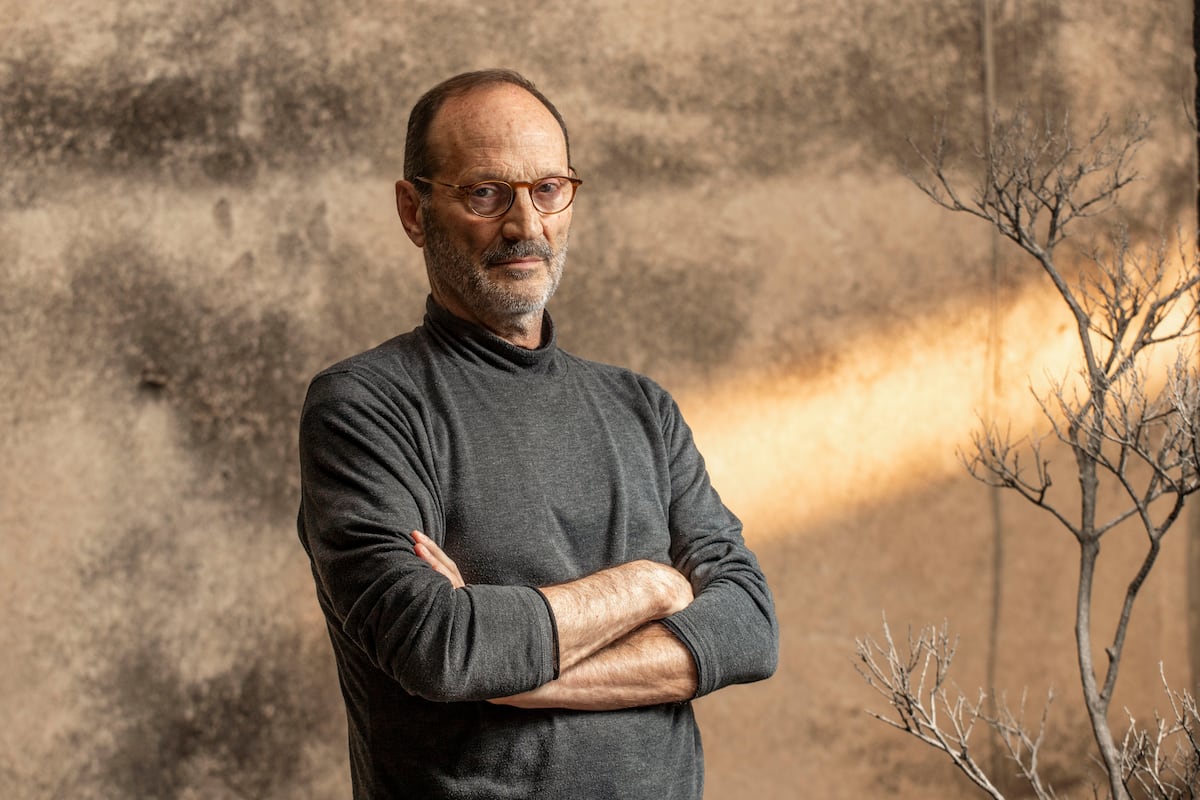
The renowned architect Miquel Adrià, hailing from Barcelona and now 67 years old, sees a promising future as the Mexican government takes a keen interest in addressing the long-neglected housing issue. Adrià, who leads Mextrópoli, a pivotal urbanism festival in Latin America, emphasizes the urgency of the matter and notes past misconceptions in solutions. During a detailed interview, he explores Mexico's housing landscape and offers specific recommendations: repurposing abandoned buildings for lower costs, developing housing in urban centers with access to public services, and focusing on what he terms as collective housing, which are multi-story buildings fostering communal living. "It's crucial to consider the diverse needs of the citizenry. Currently, one might find that living alone in a 40-square-meter space can be quite adequate, providing room for cooking, a spacious bathroom, and a sleeping area," he advises.
Q: One of the major commitments of President Claudia Sheinbaum is the construction of over a million homes during her term, with 185,000 promised for this year. Is meeting this target achievable?
A: I believe it is indeed feasible. Mexico has accomplished remarkable feats in the past. Over 50 years ago, Mexico managed to build 30,000 schools when it set its mind to it. Similarly, it established a globally exemplary metro network. Logically, one would think it's possible, and beyond that, it's necessary.
Q: It's an urgent need in a country where over nine million new homes are required.
A: Housing is the most critical and pressing issue in our society, especially from an architectural standpoint. Often, architecture brings to mind singular, extraordinary structures like museums or temples, but in reality, 70% to 80% of our urban landscape is residential architecture. This shortage is prevalent globally and is a pressing concern.
Q: Considering the importance of housing for humanity, why is it often sidelined?
A: There are various reasons. Historically, Mexico has addressed housing well, particularly in the 60s, which resulted in initiatives that eventually formed organizations like Infonavit, ISSSTE, and Fovissste. They developed exemplary projects aimed at providing dignified housing for working-class families. Some of these projects remain in good condition, while others are abandoned.
Q: And some have deteriorated, like parts of Tlatelolco.
A: This presents a significant opportunity to rebuild and densify these areas at a lower cost. While housing remains urgent, it has never been as neglected as in recent years.
Q: What happened?
A: Government policies favored grandiose projects that consumed much of the budget, often representing the values of the ruling power. Recognizing this urgent need now is crucial, and we must move beyond the flawed solutions of recent years that allocated resources directly to users for self-construction, which should be approached cautiously.
Q: Why?
A: More than half of the construction is self-built, which is how people address the urgent need for shelter. Although architecture fundamentally involves protection from elements, self-construction poses challenges. It's a viable solution when public policies are lacking, but it often results in fragmented housing lacking essential services like bathrooms, plumbing for kitchens, and electrical connections. Facilitating these elements would greatly streamline the process.
Q: Self-construction has also led to sprawling urban areas disconnected from public services.
A: In my book Collective Housing, I advocate for careful land use in public policies. Expanding urban sprawl beyond metropolitan areas, as seen in places like Chihuahua, results in exorbitant costs for streets, drainage, and quality of life due to lack of service access and dependence on cars. The most sustainable approach is urban housing. Public policies should focus on providing land in urban or soon-to-be urban areas, not outside them. Collective housing is ideal.
Q: What do you mean by collective housing?
A: It's when multiple people live together in the same building, optimizing efficiency and sustainability. It encourages proximity and access to quality services, such as shared markets and schools.
Q: How should these projects be designed?
A: The most sustainable future involves living together in small buildings that developers or communities can construct: ground floor plus three stories, avoiding complex services like elevators. They should be in urban areas where communal living makes sense, not next to noisy avenues compromising life quality. A good government should prioritize public spaces, plazas, streets, and essential services for communal living. Proximity reduces transportation needs, benefiting from urban public transit.
Q: What defines dignified housing today?
A: The first step is rethinking our domestic spaces in the 21st century, creating friendlier environments within 50 to 60 square meters for modern living, differing from mid-20th-century family models. It's vital to reconsider these aspects as public policies often replicate outdated models. Additionally, location matters; moving to outskirts for developments is a mistake. Diversity in citizenship should be considered—living alone in a well-designed monoespace can offer a great living experience with cooking facilities, a generous bathroom, and space for sleeping and dining.
We are looking for an independent senior editor

LEAVE A COMMENT