We are looking for an independent senior editor
Apply Now





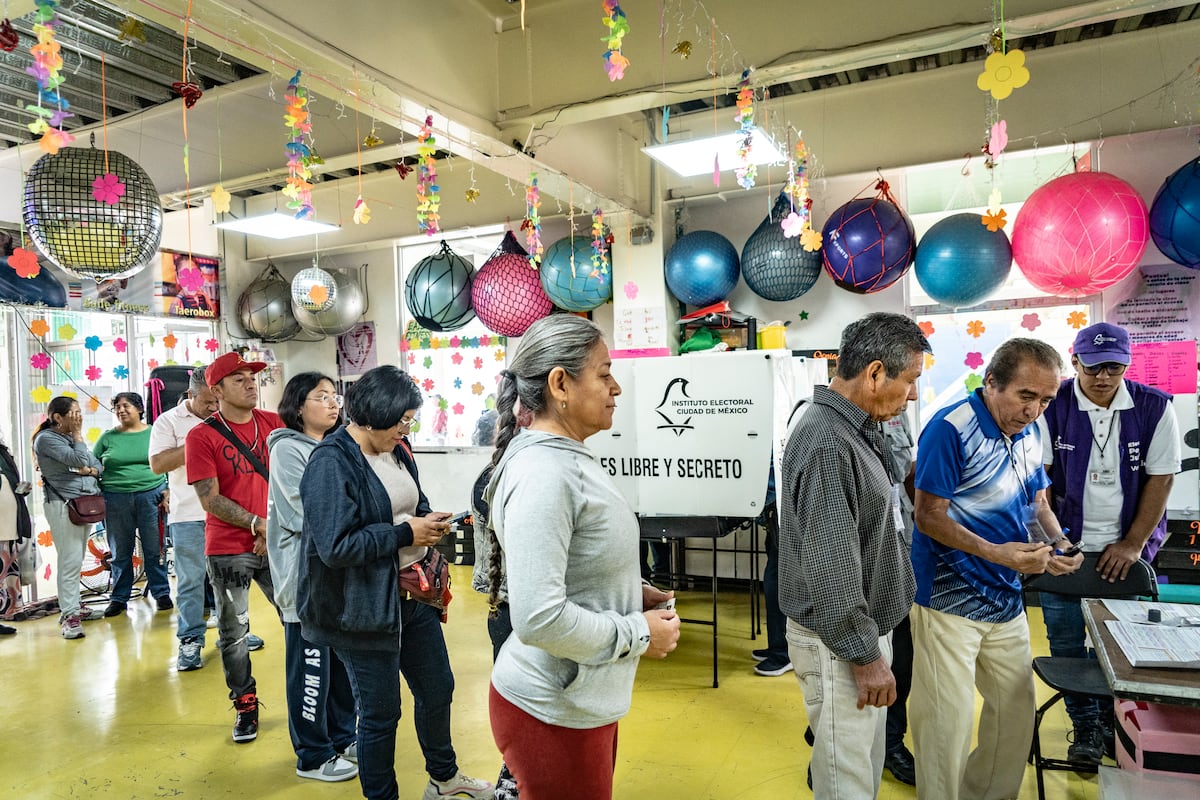
In an unprecedented electoral event, Mexico City witnessed stark contrasts in voter turnout during the judicial elections, highlighting deep-seated divisions and the urgency for reform in the nation's justice system. Iztapalapa, a stronghold of the ruling party Morena, saw voters like Rogelio Martínez, who, alongside his disabled son, waited nearly an hour at Utopía Teotongo. Conversely, Rodrigo Espinosa experienced a swift voting process in the Narvarte neighborhood, driven by a desire to create a political counterbalance.
In various locales, citizens faced the daunting task of navigating a complex voting process, with many expressing frustration over the lack of candidate information. For first-time voter Galia González, the enormity of choosing from nine ballots and thousands of candidates was overwhelming. María faced societal pressure and concealed her voting intention from neighbors, while José Luis Trujillo's attempts to vote were thwarted by logistical issues.
As predictions indicated a mere 20% voter participation among the nearly 100 million eligible citizens, the electoral landscape varied significantly across regions. While Iztapalapa bustled with activity, areas like Cuauhtémoc and Miguel Hidalgo saw sparse attendance, reflecting broader political affiliations and sentiments. The election's execution was hampered by logistical challenges, with only half the previous election's polling stations available and many opening late due to absent officials.
The judicial system's integrity in Mexico is under scrutiny, as impunity rates soar above 90%, and judges are perceived as highly corrupt, second only to transit police. Despite earning exorbitant salaries exceeding $10,000 monthly, ministers benefit from lifetime privileges, underscoring the necessity for judicial reform. This election was an attempt to address these systemic issues, though its execution left many citizens grappling with confusion and disillusionment.
For individuals like Rogelio Martínez, voting was not only a civic duty but a personal endeavor, despite the convoluted process. He viewed the election as a positive initiative, albeit poorly implemented due to insufficient candidate information dissemination. Similarly, Callie Domínguez, after rigorous preparation, found the voting experience unexpectedly challenging, ultimately resorting to random selections due to unfamiliarity with the ballot.
Overall, this Sunday was marked as a historic moment in Mexico's push for judicial reform, with varied opinions on its potential impact. While some remain optimistic about the promise of justice, others fear impending peril, revealing the profound uncertainty that looms over the nation's political and judicial future.
We are looking for an independent senior editor

LEAVE A COMMENT