We are looking for an independent senior editor
Apply Now





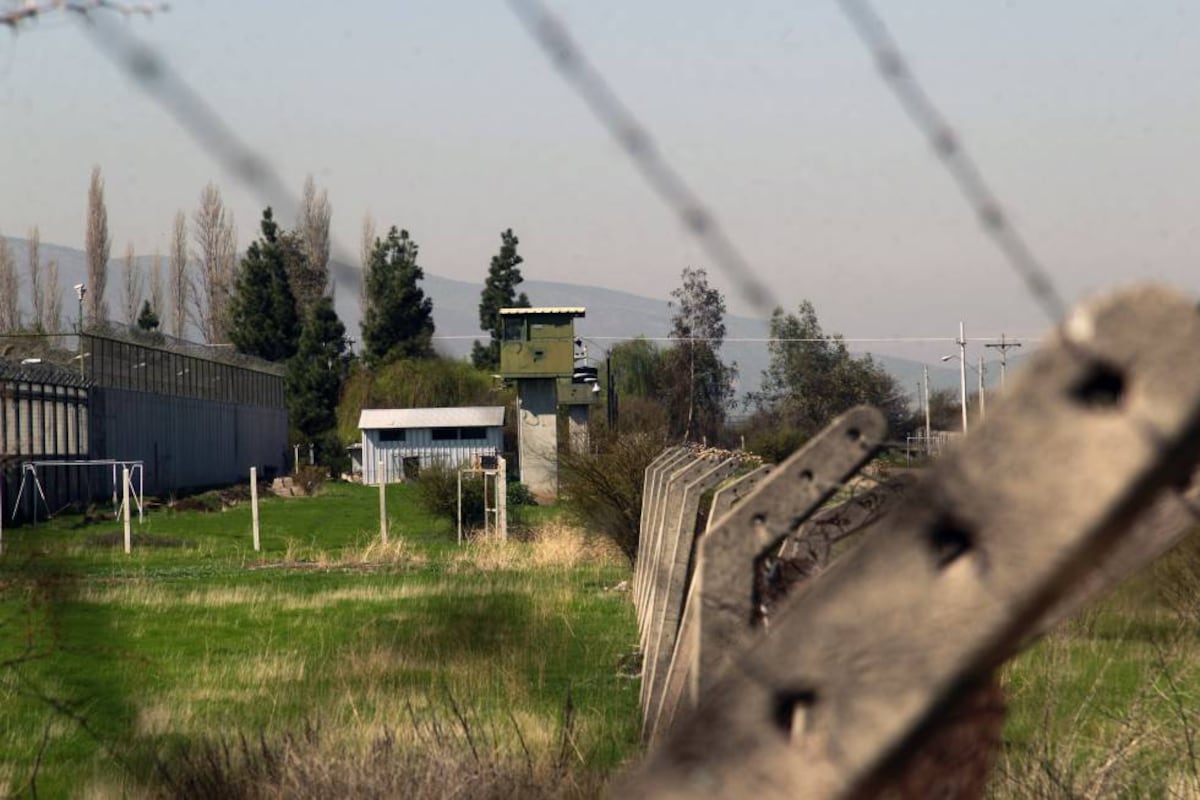
In a bold move during his recent address to the National Congress, Chilean President Gabriel Boric unveiled plans to transform Punta Peuco, a prison housing over 130 former military personnel convicted of human rights abuses during the Pinochet dictatorship, into a common jail.
President Boric highlighted that the prison was authorized in 1995 under the administration of Eduardo Frei Ruiz-Tagle. He expressed that the current Chilean landscape no longer justifies such privileges, and instructed the Ministry of Justice, led by Jaime Gajardo, to amend the decree establishing the facility, transitioning it into a regular prison where individuals can be segregated based on the needs of the correctional system. This decision is not only a matter of justice, but also a necessity for the management of Chile's penitentiary system.
Located in Til Til, 44 kilometers from Santiago, the prison holds mainly elderly individuals, with most over 80, who were part of the intelligence and security agencies under Pinochet, namely the DINA and CNI. These organizations were responsible for egregious crimes, including executions, disappearances, and torture.
Since its inception, Punta Peuco has been a point of contention for left-wing sectors, who viewed its special status as a privilege. The prison's establishment met resistance, notably from Ricardo Lagos, who refused to sign the construction decree during Frei's tenure. Lagos later became Chile's first socialist president since Salvador Allende.
A significant controversy arose in March 2018 when former President Michelle Bachelet attempted to close Punta Peuco at the end of her term. However, her justice minister, Jaime Campos, resisted the closure, citing constitutional concerns.
In 2023, amidst the 50th anniversary of the coup, debates resurged as government officials proposed repurposing Punta Peuco for pregnant detainees or those with young children, suggesting transferring the ex-military personnel to Colina 1, a facility already housing over 100 former agents due to overcrowding.
The opposition criticizes the conversion plan, viewing it as a political maneuver by President Boric. Manuel José Ossandón, Senate President from the National Renewal party, argues that the move appears vengeful rather than just, potentially inciting further internal conflict as it involves elderly prisoners for past crimes.
Although the leftist administration has suggested this transformation, closure remains unfeasible due to Chile's security crisis and prison overcrowding. Drawing parallels with former President Sebastián Piñera's unexpected closure of the Cordillera prison, Boric reiterated, "Just as President Piñera closed Cordillera, we are now ending Punta Peuco's special status."
We are looking for an independent senior editor

LEAVE A COMMENT