We are looking for an independent senior editor
Apply Now





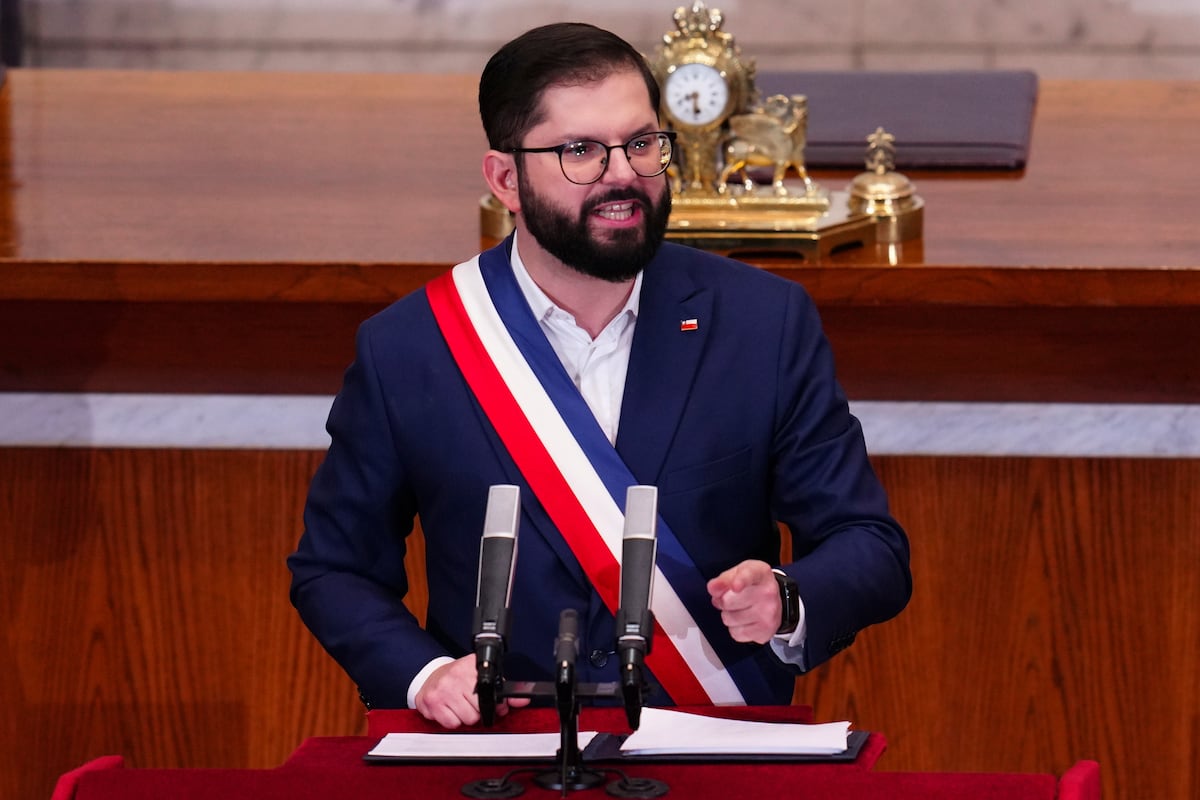
In his last public address as Chile's president, Gabriel Boric delivered a two-and-a-half-hour speech from the National Congress in Valparaíso, emphasizing key accomplishments of his administration. As his term draws to a close in March 2026, Boric highlighted significant reforms, including the 40-hour workweekminimum wage to 510,636 Chilean pesos (approximately $536), and pension reforms negotiated with the opposition. He also mentioned over 60 laws aimed at modernizing Chile's institutional framework to address new forms of crime.
In the lead-up to the presidential elections on November 16, 2025, Boric aimed his rhetoric at the opposing right-wing, particularly on two contentious issues: a proposed abortion law allowing free choice up to 14 weeks, and the transformation of the Punta Peuco prison, originally established for human rights violators from the dictatorship era, into a standard penal facility. Boric argued that the special status of Punta Peuco is unjustifiable and instructed reforms to integrate it into the general prison system, enhancing justice and prison management.
As the elections loom in six months, Boric stressed the importance of dialogue and consensus but also underscored differences with the right. He questioned whether achievements like settling historic debts to teachers, advancing pension reforms, restoring social dialogue, or developing a National Lithium Strategy independent of market forces would have been possible under a different government. He concluded that distinct government projects embody different outcomes, a sentiment he plans to carry into the upcoming primary elections.
Boric spotlighted the abortion legislation, describing it as a means to end criminal penalties against women who choose to abort, urging Congress not to shy away from the debate despite the proposal's slim chances of passing before his term ends. Opposition figures Evelyn Matthei, José Antonio Kast, and Johannes Kaiser remain against expanding current abortion allowances.
On the international front, Boric reaffirmed Chile's stance on human rights, condemning actions by both left and right-wing regimes worldwide. He criticized Russia's aggression in Ukraine, Venezuela's electoral fraud, Nicaragua's family dictatorship, and El Salvador's authoritarian drift under Nayib Bukele, warning that disregarding democratic principles often comes at a high cost.
Boric also addressed Chile's controversial position on the Israel-Gaza conflict, accusing Israel of committing genocide and ethnic cleansing against Palestinians. He announced measures such as withdrawing Chilean military attachés and supporting legislation to ban imports from illegally occupied territories, advocating diversification in defense trade to reduce reliance on Israeli industries.
Despite declining approval ratings, Boric announced several domestic initiatives, including extending Santiago's metro lines and expanding healthcare coverage for new diseases under the GES system. He also addressed Chile's economic stagnation, noting signs of growth and outlining fiscal strategies implemented during his tenure to stabilize the economy post-social unrest and pandemic.
Although Boric mentioned anti-corruption efforts, he avoided discussing scandals directly affecting his administration. His speech reflects a complex interplay of domestic achievements and international stances, highlighting his administration's legacy and the political challenges ahead.
We are looking for an independent senior editor

LEAVE A COMMENT