We are looking for an independent senior editor
Apply Now





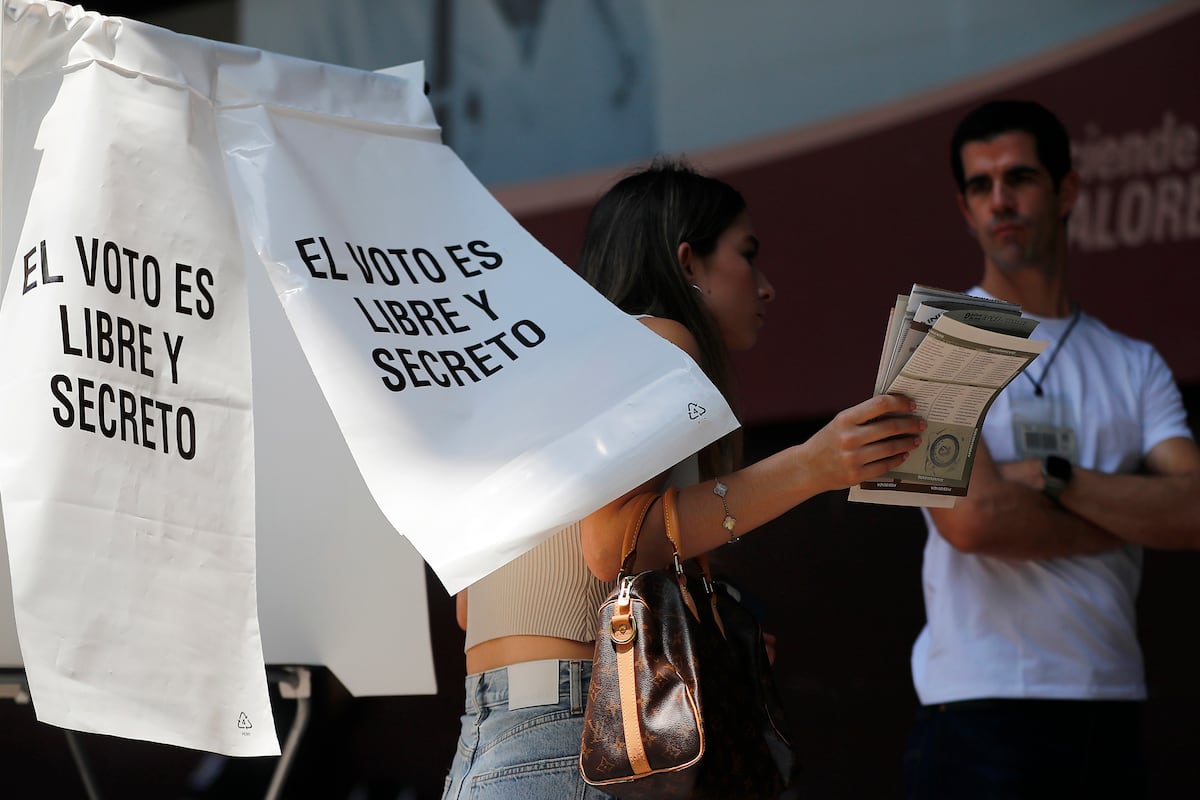
As Mexico stands on the brink of a pivotal moment in its electoral history, the nation is poised to experience a model that could signal a democratic regression. The election of 2024, deeply rooted in the logistics and political frameworks established post the 1988 crisis, now faces transformation driven by a reform initiated by President Andrés Manuel López Obrador last year.
Proposing a judicial reform that fundamentally alters not just the personnel responsible for justice, but the governance of judicial power itself, López Obrador has sparked a fierce debate centered around the legal risks associated with this shift. Critics warn of the potential degradation of the Judicial Branch, fearing the influx of inadequately qualified individuals and the specter of factional influences, including illegal operations by political parties and unions.
The federal-level de-capitalization of the Judicial Branch is undeniable. The reform has abruptly truncated the careers of half the judiciary, creating vacancies to be filled soon. Some may reclaim their positions, though they are not expected to be the majority. Organizations like the "Association of Defenders" have highlighted candidates of questionable suitability, addressing the oversight by committees such as those within the Legislative branch. In the days ahead, a new selection process will begin.
With the final list of appointees, society faces the complex task of unraveling the intricate web of political debts and connections tying judges, magistrates, and ministers to their roles. Yet, this challenge is just one facet of the evolving situation.
This June marks not one, but two historical processes. The judicial election forms a dual challenge: assessing the Frankenstein-like power emerging from the polls and scrutinizing the election process itself. Tomorrow's elections will diverge significantly from the costly cycles instituted in Mexico through reforms orchestrated between the PRI and opposition since the Salinas era.
Over the past 35 years, reforms aimed to diminish government and party influence at every election stage. However, this Sunday, the Obrador regime finds itself at the heart of the electoral process. The implications extend beyond López Obrador's motivations for the reform—be it revenge or populist coherence (often perceived as eliminating checks and balances). On June 1, an electoral experiment unfolds, notably reducing the role of citizens at the outset.
Did López Obrador anticipate the debate to primarily revolve around whether judges should be elected by popular vote, allowing him to steer the discourse to his advantage? By stoking resentment towards a judiciary seen as privileged and detached from ordinary Mexican life, while wielding his mobilization prowess, López Obrador made the prospect of polls enticing.
In the 2024 campaign, had the public been informed that such a process necessitated removing a key element of election reliability—that of impartial vote counting by local citizens—the majority might have opposed this reform.
A year ago, the idea of electing justices at the polls held a vastly different connotation. Now, the elections anticipated for May 2024 seem almost a distant reality. Despite the electorate's passionate support or opposition, this Sunday will witness four dynamics converging: a D-Day mobilization by Morena and allies, a critical test of influence through strategic media coverage and voting guides, the INE's improvisation due to resource scarcity, and profound doubts about the arbiters' impartiality.
López Obrador's strategy involves dismantling the judicial career pathway and setting candidates on a path to secure votes, ensuring an advantage for the movement rooted in street-level activism. This group, entrenched in government—whether in the capital, states, or Federation since 2018—has never hesitated to blur the lines between public resources and party operations.
This experiment threatens not only the flawed yet improvable Judicial Branch (notably marred by corruption) but also imposes pressure on the electoral system established in the 1990s to ensure reliable elections.
The INE's leadership, alongside newly appointed counselors (since April 2023), exhibits clear compliance with the Morena regime, undermining collegial decision-making. Many Tribunal electoral members show an evident inclination towards a particular agenda.
Adding to the complexity, Morena and its allies have breached their legal obligation to remain impartial. The operation of voting guides, orchestrated over weeks or months leading to tomorrow's election, represents just the tip of the iceberg.
Reminiscent of past times, barring an extraordinary surprise, we will witness the ascension of favorites whose success stems not from strategic innovation or coherent campaigning but from allegiance to a specific political hue, enhancing their victory prospects. The digital mercenaries supporting this color amplify the regime's favored candidates, contributing to a landscape reminiscent of state-controlled elections perceived to belong to Mexico's past.
Until 2024, despite López Obrador's persistent, flagrant, illegal, and undemocratic interference, a societal and party agreement prevailed that electoral disputes would be resolved within institutional frameworks and through the verdict of the polls.
The elections on June 1 might signify the closure of the era of widespread electoral trust, a value painstakingly cultivated over four decades. An uncertain referee, an unsuspecting opposition neglecting the threat to a non-governmental electoral model, and a regime indulgent in its excesses and shortcuts now headline the first election of the new era. The response of the Mexican populace remains to be seen.
We are looking for an independent senior editor

LEAVE A COMMENT