We are looking for an independent senior editor
Apply Now





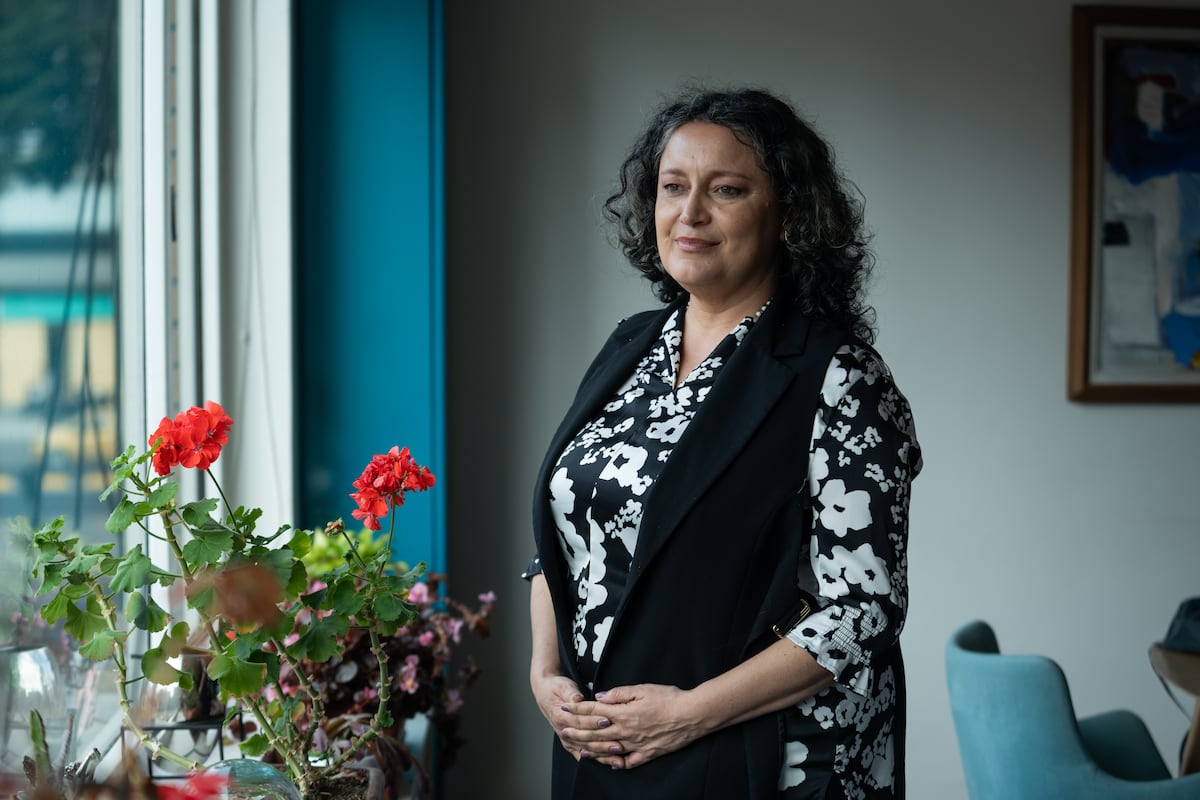
In a landmark victory, Senator Angélica Lozano from the Green Party has successfully steered the Senate's fourth commission to approve the labor reform proposed by President Gustavo Petro. This reform, previously thwarted by the seventh commission, aims to benefit over 10 million formal workers across Colombia. Lozano's adept negotiation skills brought together 13 out of 15 senators from varied political backgrounds to endorse the reform swiftly. Despite the project's progress, Lozano voices concerns that Petro's government might deliberately abandon the reform in favor of a popular consultation to bolster electoral campaigns. "Petro's administration is revealing its true intentions: they seek not a fair labor law, but rather a campaign-driven consultation," she asserts.
Lozano expresses pride in achieving consensus among politically diverse senators for a common good, calling it an exercise in high-level politics and negotiation. She believes the reform, although needing refinement, constitutes a substantial and equitable change. However, Lozano criticizes the extremes of the political spectrum for their polarized stances, highlighting her ability to forge agreements across varied parties, including Liberal, Conservative, and Indigenous factions.
The senator questions the necessity of a popular consultation, noting that the reform already incorporates most of the proposed consultation questions. She suspects that the consultation is a tactical move by the Historical Pact to energize its political agenda, even at the risk of sinking the reform. Lozano warns that the only threat to the reform's success lies in the reconciliation phase with the House, where Petro's majority influence could sway decisions.
Lozano further critiques Petro's insistence on the consultation despite its redundancy within the law, viewing it as unconstitutional and a dangerous precedent undermining legal and constitutional norms. With substantial public funds allocated for citizen participation, she fears these resources may be misused as electoral tools. Her concerns extend to the recent two-day strike, which she believes was poorly executed and misrepresented by the president, harming social movements and public discourse.
Facing attacks from government-affiliated factions, Lozano laments the coordinated efforts to undermine her through public resources and media outlets. Despite aligning with some key reform proposals, such as night surcharges and holiday pay, she remains targeted due to her selective agreement with Petro's policies. She identifies a sectarian influence within the Historical Pact, noting credible members amidst the contentious climate.
Addressing accusations of opportunism and leveraging her reform defense for her spouse Claudia López's presidential campaign, Lozano emphasizes her longstanding reputation as a diligent congress member. She denies appropriating government projects, attributing her involvement to chance rather than design, and criticizes the divisive tactics within political leadership.
Lozano acknowledges the government's initiative in addressing pension and labor reforms, contrasting Petro's proactive stance with his predecessors'. However, she disapproves of Petro's approach to healthcare reform, which she perceives as unnecessarily confrontational, resulting in detrimental impacts on public health services.
Regarding her political future, Lozano remains undecided about running for Senate, citing the Green Party's current turmoil linked to governmental corruption scandals. She distances herself from the party's compromised factions, advocating for genuine, independent political engagement.
We are looking for an independent senior editor

LEAVE A COMMENT