We are looking for an independent senior editor
Apply Now





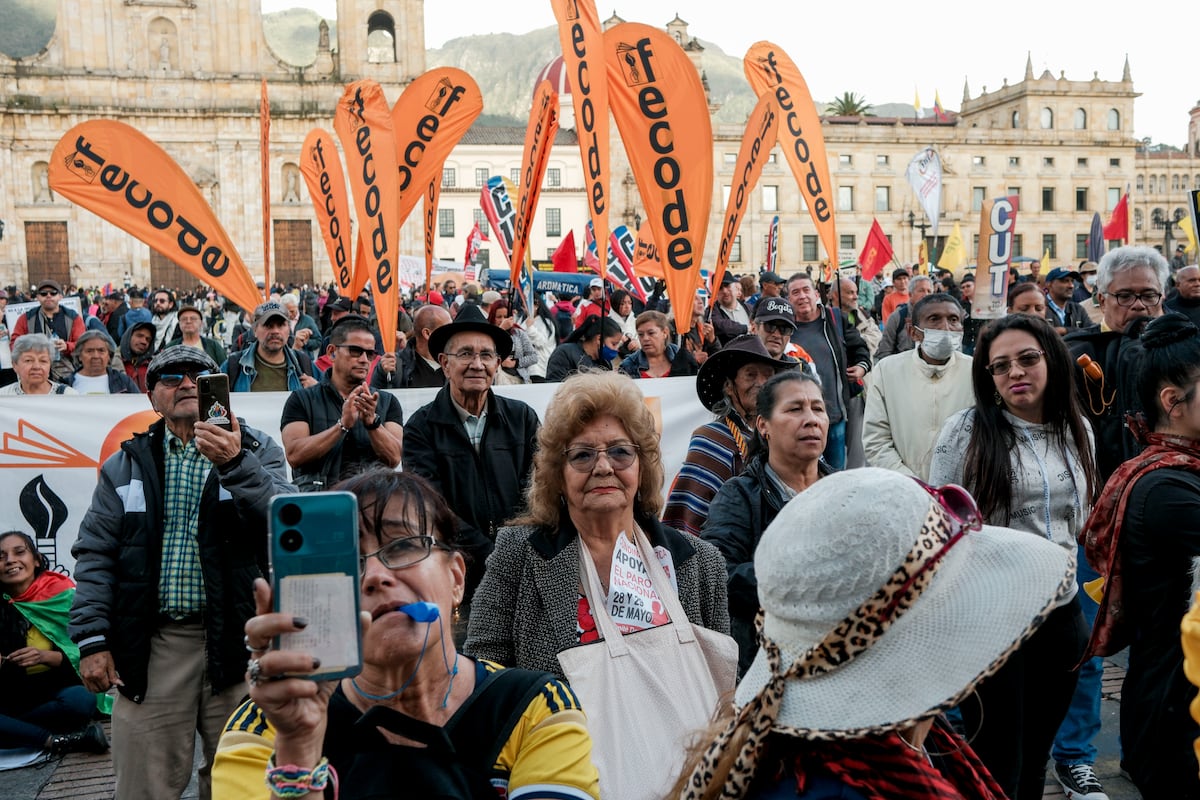
This week, we were presented with a strikingly absurd scenario in Colombian politics. The government itself called for a nationwide strike lasting two days—a move typically initiated by the opposition. Such an occurrence is bewildering, found only in the chaotic depths of political tropics. In response, a witty individual circulated a satirical message online, highlighting the irony of the situation.
The message humorously speculated about potential destruction during the marches, listing fictitious infrastructure projects like elevated trains from Villavicencio to Santa Marta, and international airports in La Guajira, which, of course, do not exist. This satirical alarm perhaps prompted the government to deploy armed forces to protect these imaginary public works—unless, of course, the protesters intended to demolish them, in which case the Commander-in-Chief might have instructed to let the masses have their way.
After the debacle of a leaderless and aimless national strike, it became evident that Colombians are subject to numerous absurd experiments, both mental and political-economic, blurring the lines between reality and fiction, reason and folly. Filling Bogotá's Plaza de Bolívar with transported individuals and coerced students masquerading as spontaneous demonstrators is a blatant absurdity, funded by public coffers.
Then there's the ex-chancellor Leyva's lengthy complaints about the president's alleged drug addiction and incompetence, demanding immediate resignation. This is absurd, given that these issues were known upon his acceptance and during his tenure. Similarly, Gustavo Bolívar's assertion that Petro made a deal with the devil by aligning with certain controversial figures, yet wanting to govern in the same manner, is another layer of absurdity.
Roy Barreras' resignation from the UK embassy to declare himself as the future center-left president, despite previously opposing what he now claims to represent, underscores the pervasive absurdities in Colombian politics. The extravagant expenditure of 90 trillion pesos to subsidize fuel for luxury vehicles rather than addressing vital regional needs is glaringly irrational.
The misuse of humanitarian crisis funds in La Guajira to buy congressional votes for pension reform exemplifies a level of absurdity that surpasses expectations. Allowing armed groups to terrorize rural areas under the guise of 'forced recruitment' while restraining law enforcement and granting impunity in pursuit of 'total peace' is cruelly absurd.
Further compounding these issues, undermining Ecopetrol's governance and strategic decisions threatens Colombia's most valuable resource—an absurdity that risks long-term economic stability. Creating an energy crisis on the Caribbean coast and jeopardizing gas self-sufficiency, despite having the resources to prevent such crises, demonstrates a profound lack of foresight.
The decision to increase income tax withholding in 2025, thereby depriving the private sector of necessary working capital as the economy recovers, is patently absurd. This deepens the fiscal crisis to be inherited by future administrations, despite past criticism of similar practices.
The most painful and damaging absurdity is the erosion of a healthcare system that once benefited everyone, especially the poor and sick. This neglect was epitomized by President Petro's dismissive 'shu shu shu' comment, likening the system's collapse to falling dominoes.
With such grave issues within Colombia, it is bewildering that the president frequently travels abroad, seemingly more interested in international appearances than addressing domestic crises—a behavior that echoes the excesses of past presidents he once criticized.
We are looking for an independent senior editor

LEAVE A COMMENT