We are looking for an independent senior editor
Apply Now





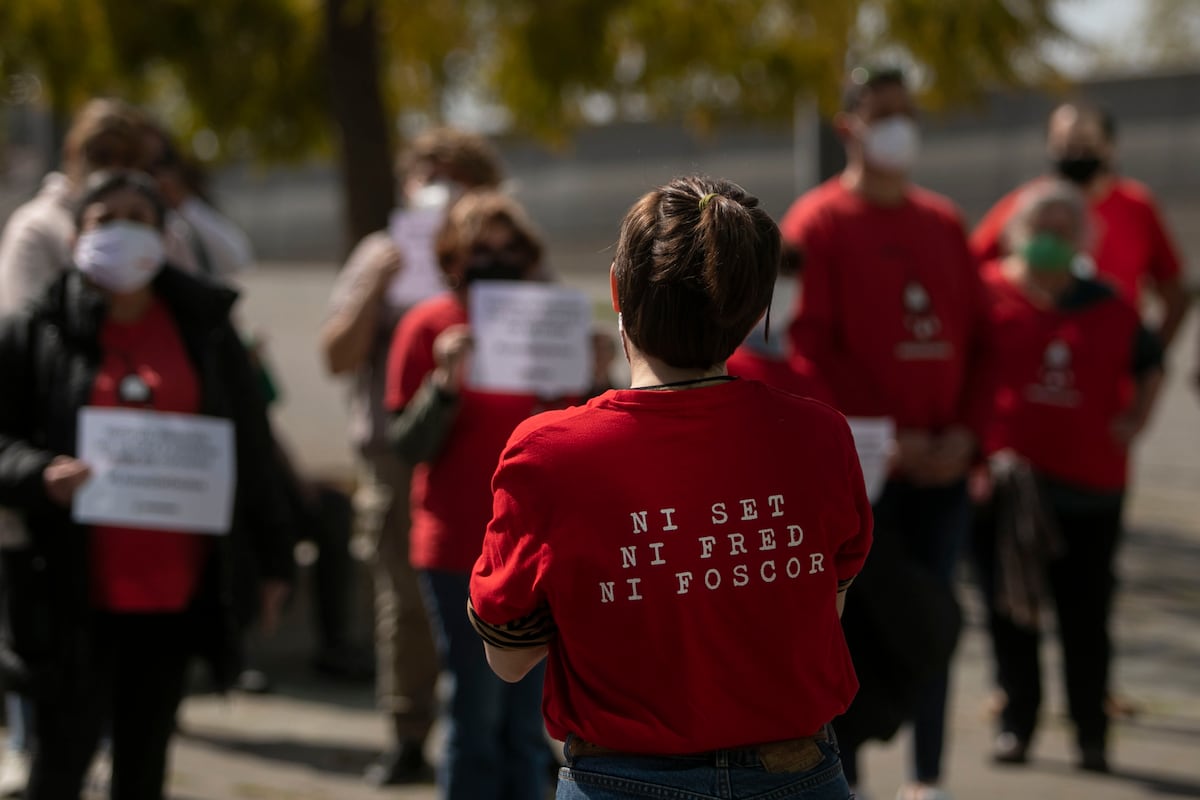
In Catalonia, a staggering 1.4 million individuals, predominantly women, continue to struggle with energy poverty, unable to maintain their homes at adequate temperatures. Efforts to address this crisis have proven insufficient, largely due to the entanglement of bureaucratic red tape and the lack of empathy from major energy companies. The central government's social bonus, designed to prevent electricity cuts due to unpaid bills since 2020, reaches only 185,473 residents, despite nearly 700,000 individuals facing severe material deprivation as per Idescat data.
Since 2021, Endesa, a dominant player in the Catalan energy sector, has installed only 104 social meters. This is a stark contrast to the needs of the population, demonstrating the inadequate support from both the government and the avarice of energy giants. Although social services attempt to assist, accessing the social bonus remains a distant dream for many. Innovative measures such as the 2021 agreement between Endesa, the Generalitat, and social entities aimed to alleviate energy poverty by forgiving debts from 2015 to 2020 and installing free social meters under specific conditions.
The agreement stipulated that families, to qualify, needed validation of vulnerability from social services, proof of residency, and approval from inspection authorities. Despite these efforts, bureaucratic obstacles have led to the installation of only 104 electricity meters across Catalonia, compared to a significantly higher number of water meters. Endesa, requiring more than just a family signature on requests, often necessitated intervention from social workers and local officials to process applications, claiming all received requests were approved.
The tragic death of Rosa, an 81-year-old woman in Reus who died in a fire while using candles for light in 2016, sparked hopes for systemic reform. Yet, little has changed; electricity rates have surged by 146% since 2010. The Endesa-Generalitat agreement is set to expire in 2025, and since 2021, unpaid bills have again accumulated without the anticipated solidarity fund to address them. Political changes in the Catalan government frequently reset progress, with at least four leadership changes since 2021. The pact to combat energy poverty remains largely unfulfilled, with criticisms from both the Taula del Tercer Sector and the Alliance Against Energy Poverty highlighting the urgent need for broader agreements with other companies.
We are looking for an independent senior editor

LEAVE A COMMENT