We are looking for an independent senior editor
Apply Now





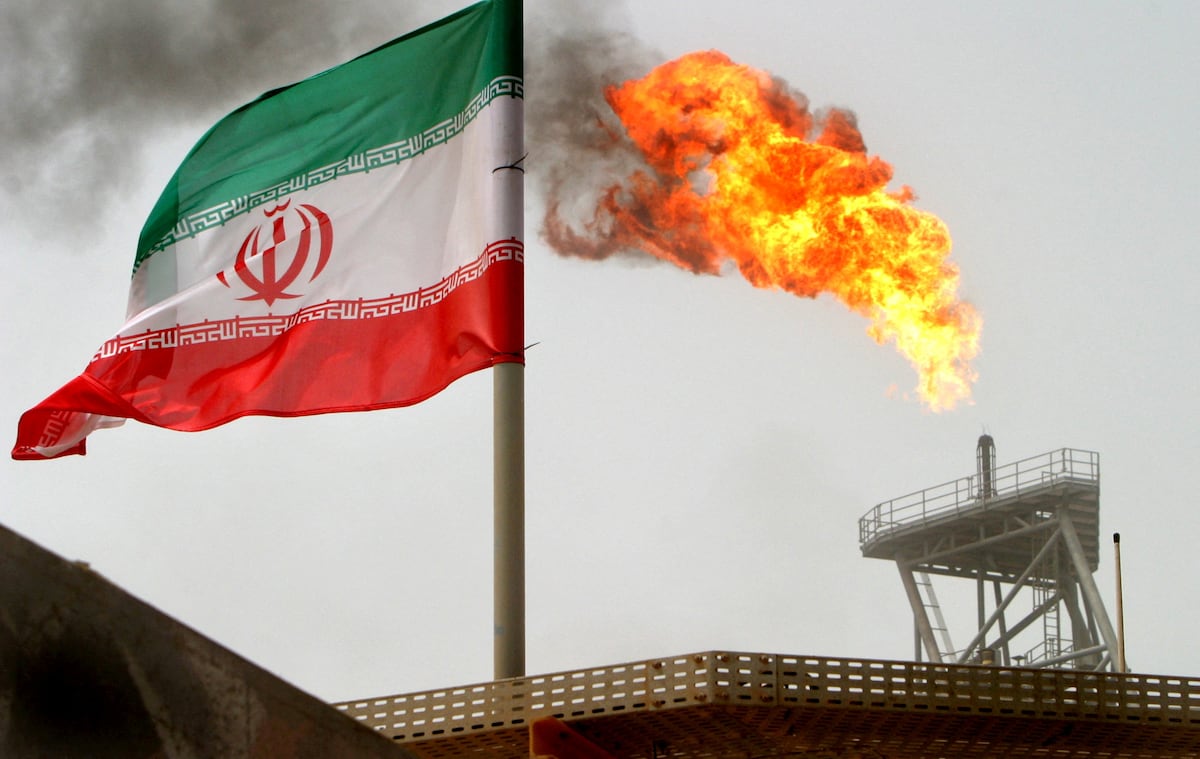
The expanded oil cartel, OPEC+, has resolved to increase oil production by 411,000 barrels daily starting in July, aiming to reclaim market share and penalize countries with excessive production. This decision, reached in a virtual meeting led by Saudi Arabia and Russia, marks the third consecutive production hike by the group, bringing the total restored output to 1.37 million barrels per day over four months—over half of the intended 2.2 million barrels the cartel plans to reintroduce to the market.
This move signifies a reversal of previous production cut policies, which had removed over 5 million barrels daily from the market, equivalent to 5% of global demand. OPEC+, dominated by Saudi Arabia and Russia—the second and third largest oil producers globally after the United States—is striving to regain market share at the expense of profit margins and target overproducing allies such as Iraq and Kazakhstan. According to analyst Harry Tchilinguirian from Onyx Capital Group, "Today's decision underscores that market share is a priority. If price does not yield the desired revenues, volume surely will."
As the Brent crude benchmark in Europe undergoes a significant price adjustment of 24% this year, largely due to economic cooling triggered by the trade war initiated by U.S. President Donald Trump against his European and Asian trading partners. The imposed tariffs have necessitated a broad downward revision of global growth forecasts, similar to the recent adjustment by the International Monetary Fund. The IMF lowered the global GDP growth forecast by half a percentage point for this year (from 3.3% to 2.8%) and by three-tenths for the next year (from 3.3% to 3%). Spain stands out as the only advanced economy spared from this adjustment, with its GDP expected to grow by 2.5% this year, two-tenths more than previously anticipated, and maintain a 1.8% growth rate in 2026.
The IMF's adjustments were widespread among its member countries, with notable impacts on Mexico, the U.S., and Canada. Mexico’s economic forecast for 2025 was downgraded from a 1.7% growth to a 0.3% contraction. For the United States, GDP growth for this year will be limited to 1.8%, down from an earlier forecast of 2.7%, while Canada's growth forecast was cut by six-tenths to 1.4%.
We are looking for an independent senior editor

LEAVE A COMMENT