We are looking for an independent senior editor
Apply Now





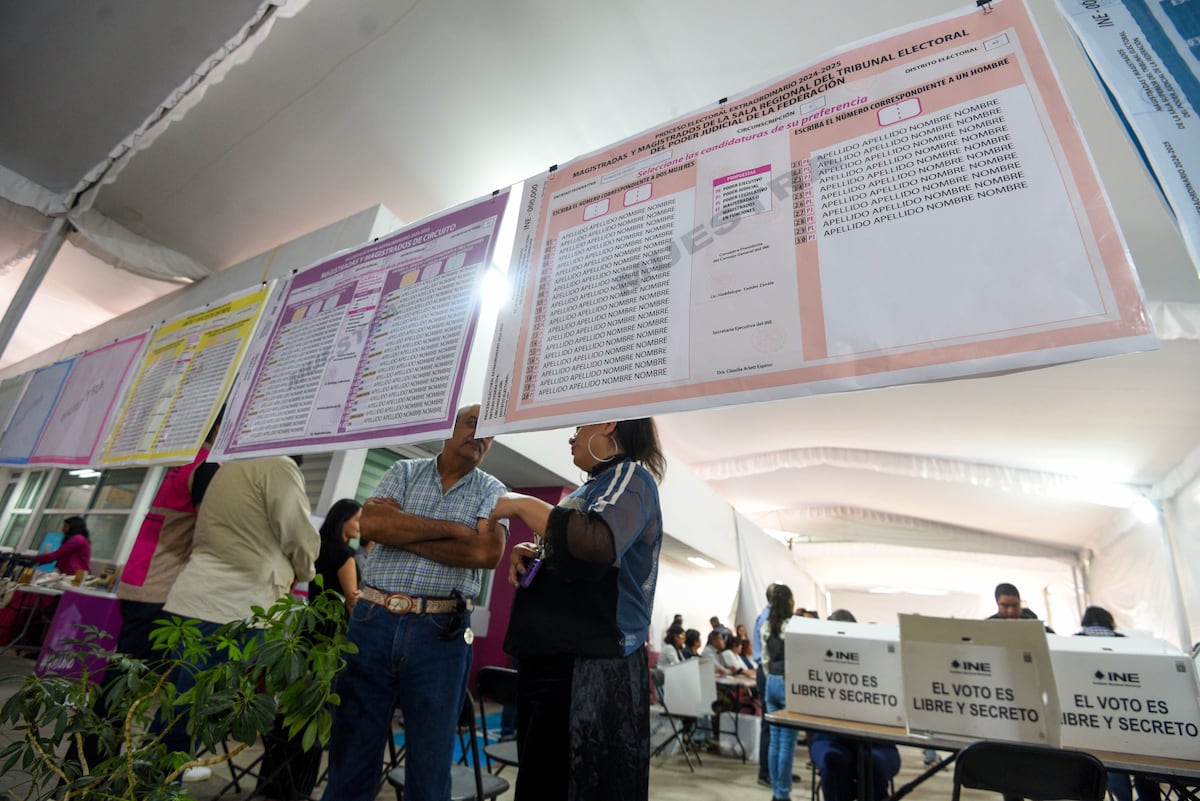
The notion of choosing not to vote can be paradoxical, especially when juxtaposed against a backdrop of profound disillusionment with the current political process. Critics of the recent judicial reform, presented by the ruling coalition, have consistently highlighted its potential for disastrous outcomes. The reform, they argue, was marred by a shameful approval process, witnessed through the controversial actions of certain politicians, notably the infamous senator Yunes and the questionable involvement of minister Pérez Dayán. The candidate selection procedure resembled a farce, heavily skewed in favor of the ruling party, prompting widespread criticism of the electoral process devised for selecting judicial personnel. This process, perceived as inequitable and confusing, lacked the fundamental safeguards typical of democratic elections, such as same-day vote counting and the destruction of unused ballots.
Moreover, concerns about the transparency of candidates' backgrounds raised alarms about potential criminal affiliations infiltrating the system. Critics have repeatedly emphasized that judges, magistrates, and ministers should not be elected through popular vote, warning that the judicial reform and its accompanying election could spell disaster for the nation's justice system. Yet, ironically, those who decide not to vote in the upcoming vote are labeled as anti-democratic and accused of sabotaging the new people's project in Mexico.
It seems absurd, even cynical, to demand that dissenters energetically support the very cause they oppose. In the realm of the Fourth Transformation (4T), consistency between words and actions is evidently not a requirement. For those who have consistently objected to the judicial project of morenismo, abstaining from voting is a logical and natural consequence. Proponents of Sunday's vote acknowledge the reform's flaws and the project's crooked nature, yet insist on participation as an obligation. However, this obligation might only apply to those who once championed the reform and now grapple with the consequences of their arrogance.
Radical proponents of voting solemnly warn that consequences will arise with or without one's participation. Yet, seasoned democrats understand that victory and defeat are part of the game. Those in power today mistakenly believe their victories are eternal, just as their past defeats seemed endless. Personal voting history, like not voting for Sheinbaum, has posed no conflict with the legitimacy of her victory. Disliking her project and government doesn't render either party anti-democratic. Similarly, non-participation in past elections didn't diminish her triumph nor the impact of defeat.
This Sunday’s election, however, lacks guarantees, serving only the ruling party. The process throws voters into unprecedented confusion and disorder. Unlike Sheinbaum's open and consensual election, this upcoming event is a power play by a ruling clique lacking the technical capability to execute their flawed plans. The forthcoming judges, products of this election, should not be faulted for participating in a mandated process. In adherence to democratic principles, their rulings will be respected, regardless of personal opinions. Thus, without hesitation, I choose not to vote on Sunday.
We are looking for an independent senior editor

LEAVE A COMMENT