We are looking for an independent senior editor
Apply Now





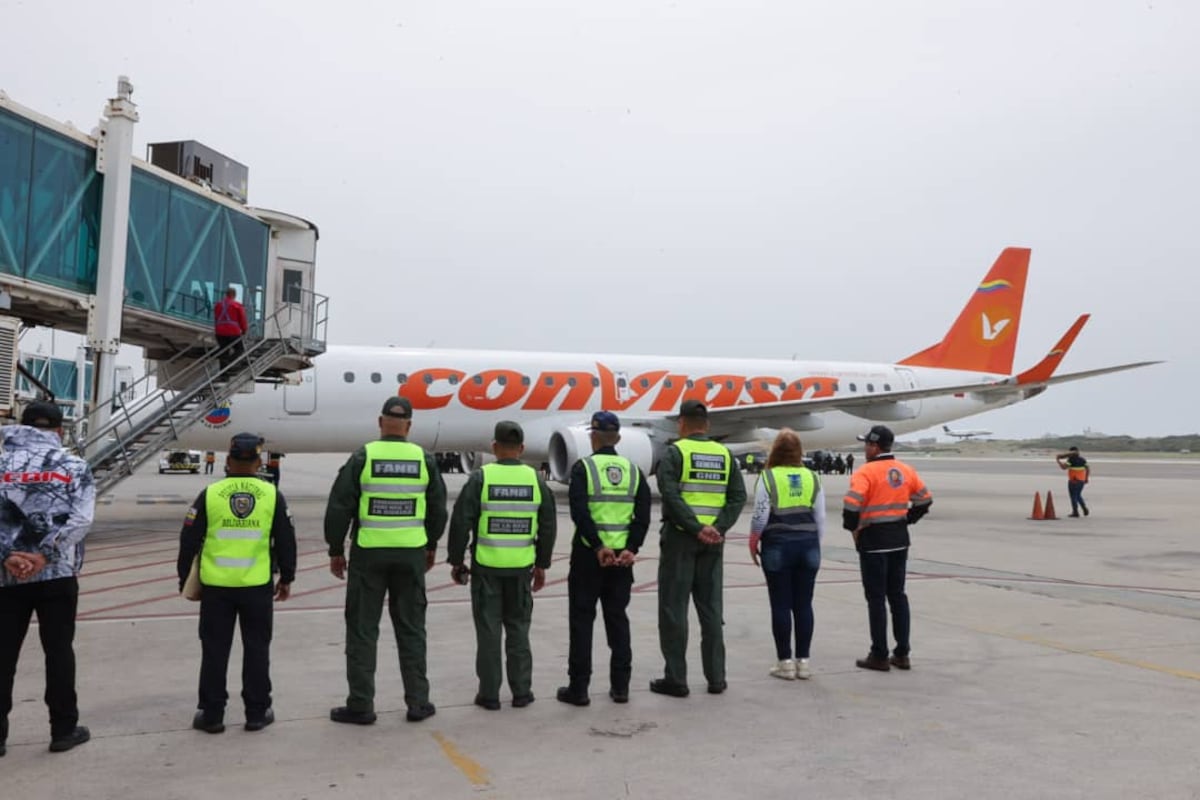
The recent Supreme Court ruling has placed more than half a million migrants, who previously held legal status in the United States, on precarious footing. This decision supports the Trump administration's move to abolish the humanitarian parole program that provided Cubans, Haitians, Nicaraguans, and Venezuelans (CHNV) fleeing dire conditions in their home countries with temporary residency permits lasting up to two years. The program enabled hundreds of thousands to legally enter the U.S., join the workforce, enroll their children in schools, and contribute to their communities across sectors such as manufacturing, construction, hospitality, healthcare, and IT. The shutdown of this program not only marks these individuals as "deportable" but also risks stripping the U.S. economy of the $5.5 billion in annual economic activity they generate.
According to a report by FWD.us, dismantling the CHNV parole midway would severely damage the economy, undermine investments made by employers who hired CHNV beneficiaries based on governmental promises, and disrupt the lives of hundreds of thousands of families, including many U.S. citizens. The labor market is anticipated to suffer from a shortage of workforce, a concern that economists and business leaders have been vocal about since Trump's intentions to deport over 13 million undocumented immigrants were announced. Data from the Census Bureau, analyzed by FWD.us, shows that as of September 30, 2024, there were 240,000 active CHNV beneficiaries contributing to the labor market, including 40,000 in manufacturing, 30,000 in construction, 30,000 in leisure and hospitality, and another 30,000 in healthcare services.
Murad Awawdeh, President and CEO of the New York Immigration Coalition, remarked on the Supreme Court's verdict against the parole, stating, "This ruling will have devastating consequences for hundreds of thousands of families and will impact our workplaces as industries abruptly lose their workforce."
In its campaign to minimize the immigrant population, the Trump administration systematically dismantled legal avenues established by the previous administration to welcome foreign nationals. The Biden administration, facing a crisis from a surge of irregular migrants, enacted humanitarian parole for Venezuelans in late 2022 and for Nicaraguans, Haitians, and Cubans in early 2023. This provided a legal alternative to dangerous journeys involving traffickers or perilous treks through the Darién jungle. Applicants for the parole needed a sponsor in the U.S. willing to take financial responsibility for them, usually a family member with U.S. citizenship or permanent residency.
To date, approximately 531,000 individuals have benefited from the program: 110,000 Cubans, 211,000 Haitians, 93,000 Nicaraguans, and 117,000 Venezuelans, residing across at least 27 states. The program's implementation successfully reduced unauthorized migration, with illegal border crossings from these countries plummeting from an average of 1,231 daily in January 2023 to just 46 by the end of February 2023, marking a 62% reduction in encounters.
Data from the American Community Survey handled by FWD.us reveals that over half of the beneficiaries already had proficiency in English, nearly all possessed at least a high school diploma, and 63% had some form of higher education. A majority of respondents (87%) expressed the desire to obtain U.S. citizenship in the future.
Awawdeh added, "These individuals adhered to the established procedures to escape extreme hardships and instability in their home countries. Yet suddenly, their lives and livelihoods have been upended due to an administration's arbitrary deportation agenda."
The CHNV humanitarian parole drew inspiration from recent similar initiatives like Uniting for Ukraine, which granted residency to Ukrainians fleeing the Russian invasion in 2022. The Supreme Court's decision overrides an earlier ruling by a Massachusetts judge in April, which had halted Trump's ordered elimination of the program. The district court judge argued against the blanket termination of parole permits and emphasized the need for case-by-case evaluation. This was in response to a lawsuit filed by some program beneficiaries against the government. On his first day in office, the president targeted the parole among the migrant reception programs he sought to terminate by decree, forming part of his anti-immigration crusade. On March 25, the Department of Homeland Security (DHS) enacted this closure.
The Supreme Court, with six of its nine justices holding conservative views, did not clarify the rationale behind paving the way for the parole's elimination. Progressive justices Ketanji Brown Jackson and Sonia Sotomayor voiced their dissent, with Jackson highlighting the absence of any specific national security threat or foreign policy issue arising from honoring current parole concessions while awaiting resolution. The case may yet proceed in lower courts.
National security has been the most frequently cited justification by the Trump administration for canceling foreign reception programs. The Supreme Court further supported this approach by allowing the revocation of Temporary Protected Status (TPS) for Venezuelans, another program that until recently permitted the legal residence of 350,000 individuals.
These two Supreme Court decisions, clearing the path for mass deportations, raise concerns among experts about the potential illegalization of DACA, the program initiated by Barack Obama that provided documentation to hundreds of thousands who crossed the border irregularly as children. United We Dream expressed via a statement that the latest Supreme Court ruling "clearly indicates that the future of other programs is in grave danger."
We are looking for an independent senior editor

LEAVE A COMMENT