We are looking for an independent senior editor
Apply Now





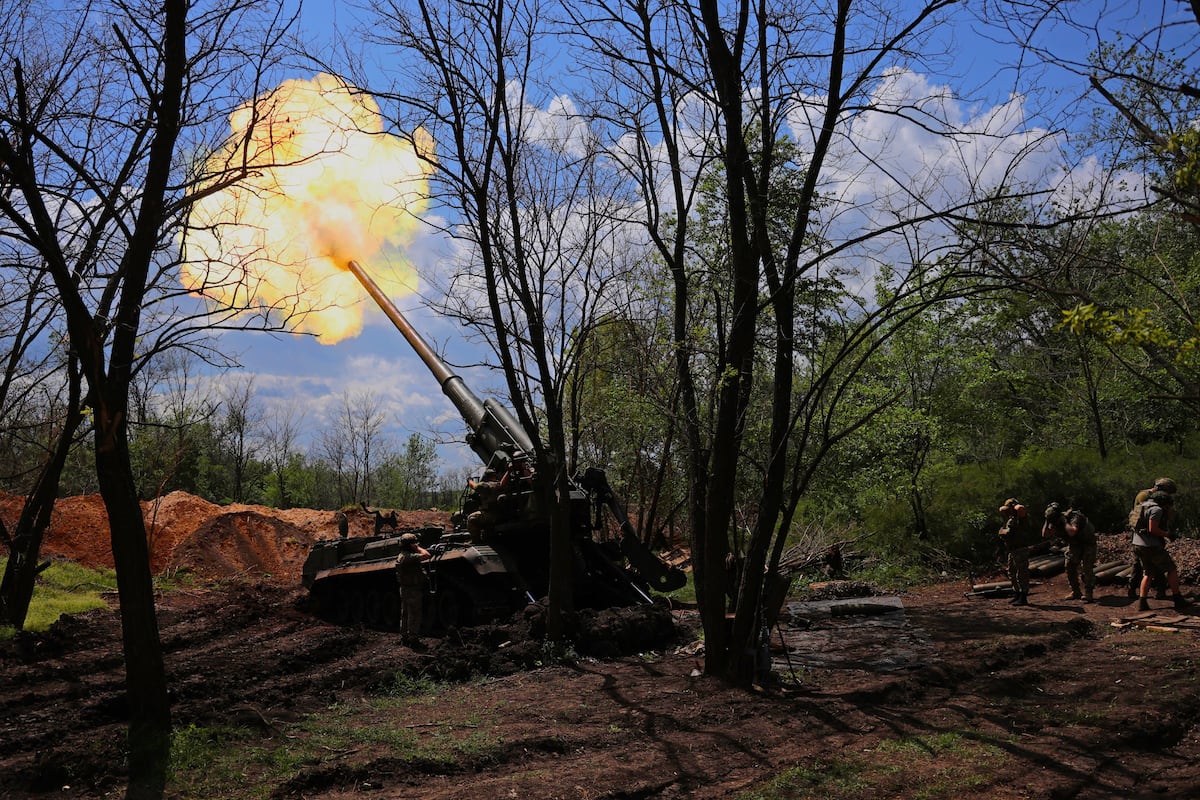
In early 2025, Russian forces seized control of a pivotal coal mine in Ukraine's steel industry, located near the contested city of Pokrovsk in the Donetsk region. This mine has become a prime target for the Ukrainian army's 3rd Artillery Brigade, which deploys Soviet-era 2S7 Pion self-propelled guns, armed with 203-millimeter shells from the United States, to regain control.
Commanded by 23-year-old Odín, the brigade's artillery operations are directed against enemy positions identified by Ukrainian reconnaissance drones. Since losing access to original Soviet munitions over a year ago, the brigade has depended on US-supplied shells. If these supplies were to cease, as Kondor, the 25-year-old battery chief notes, the brigade would be forced to withdraw. Without American ammunition, the 2S7 Pion cannot function effectively on the frontline, given the absence of NATO-compatible alternatives.
Despite training in Germany for systems like the PzH 2000, Odín and Kondor remain uncertain about the current stockpile of US-supplied munitions. Ukraine's defense production has surged recently, yet the nation still heavily relies on international support against the world's second-largest army. As of January, Ukrainian military officials estimated their US-provided arsenal would last six months, amid fluctuating diplomatic relations and President Donald Trump's unpredictable stance. The US, a key supporter of Ukraine, has hinted at withdrawing support if peace talks stall. Nonetheless, Ukraine's recent agreement with Washington to exploit its mineral resources might entice Trump, a businessman at heart, to stay involved for economic benefits.
Kondor and his team, comprising soldiers and a former firefighter turned medic, have held their position since February without relief. They express concerns about their isolated existence but understand that fatigue isn't an option. Some find solace in routine activities, like collecting mail in a hidden Lada, while others suggest visiting a makeshift farm near their bunker.
The 2S7 Pion, a mammoth over 10 meters long and weighing 45 tons, emerges from its camouflaged hideout multiple times a day to execute attacks. The crew swiftly maneuvers it into position, confirms target coordinates, and fires shells with a thunderous roar, repeating the process several times before retreating. The original Soviet shells weighed 110 kilograms and could reach 35 kilometers, whereas the current US-supplied shells are lighter at 85 kilograms and have a range of 15 to 17 kilometers.
Odín explains that position changes occur when they are detected by Russian forces or when the front line shifts. If Russia advances, they must retreat to maintain their firing range. Currently, they are positioned approximately ten kilometers from Russian lines, targeting logistical facilities in Pischane and Shevchenko. In a rare victory, Ukrainian forces expelled Russians from Kotlyne, near the coal mine, by late February.
The mine remains under Russian control due to its advantageous position against Ukrainian artillery. However, Odín emphasizes their mission to bombard the area, paving the way for infantry to reclaim the mine, essential for producing coke—a critical component for steel production. Owned by Metinvest, the mine's loss has crippled Ukraine's steel output, which has plummeted by over 70% since the invasion, as reported by Reuters.
As Odín and his driver, Sasha, wait to reach the Pion's position due to a Russian Zela reconnaissance drone overhead, the conversation touches on the potential for a ceasefire. Despite Sasha's updates, Odín remains skeptical about the current negotiations led by the US and Europe, expressing a pragmatic view of the situation.
We are looking for an independent senior editor

LEAVE A COMMENT