We are looking for an independent senior editor
Apply Now





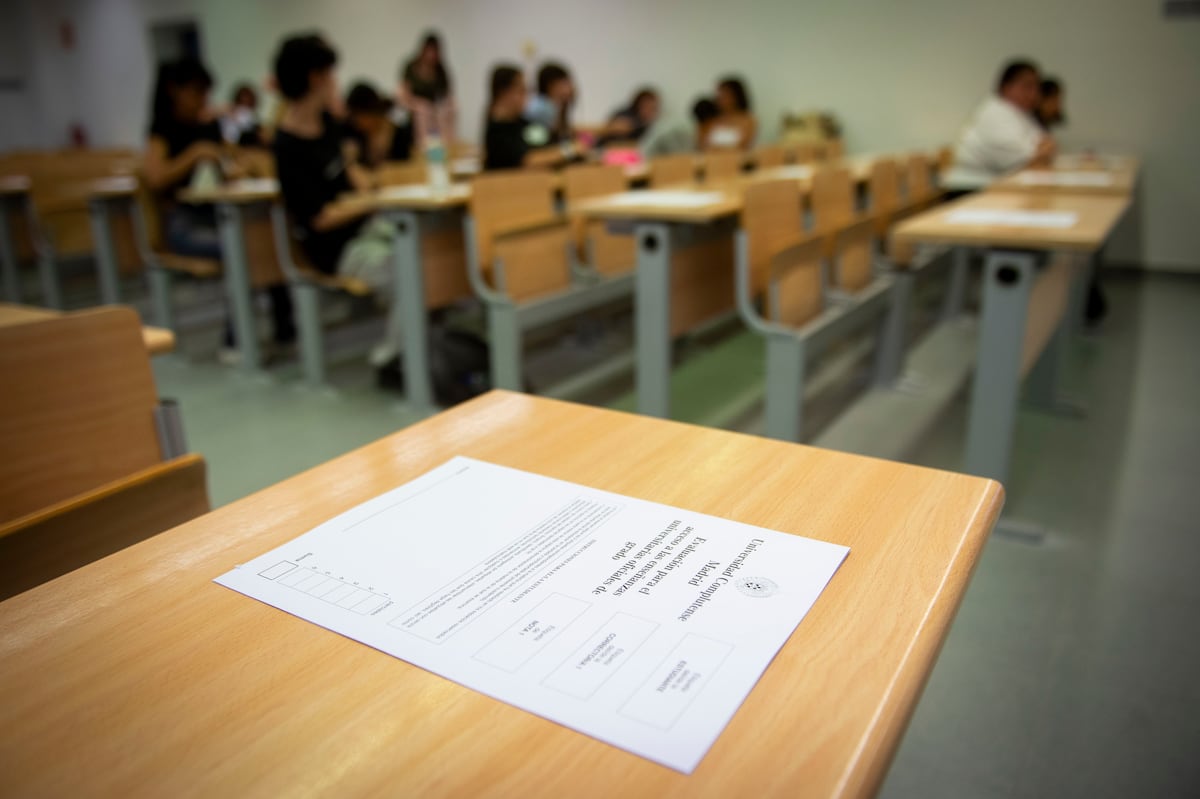
June marks a pivotal time for numerous students facing the University Entrance Exam (PAU) and other rigorous assessments such as certifications and civil service examinations. In collaboration with eight specialists in neuroscience, memory, and learning psychology, we unveil strategies designed to optimize your study process.
Structured Study Plans
José María Bea, a memory expert and founder of the School of Memory, advocates for written study plans incorporating breaks, crucial for adherence. Tailor your schedule to each subject's demands, whether practical exercises or summary reviews, as advised by psychologist Tania M. Mondéjar Palomares and educational psychologist Ángel Luis González Olivares from the University of Castilla-La Mancha.
Session Distribution
Lauren E. Bates of the University of Pittsburgh emphasizes the importance of spreading study sessions over time. For short-term exams, review every two to four days; for longer periods, aim for weekly or bi-weekly reviews.
Effective Daily Study Hours
Focus on quality and consistency rather than sheer hours. Bea notes that substantial progress can be made with four to five daily hours of engaged study, especially with regularity throughout the course.
Begin with Easier Topics and Set Goals
To overcome initial inertia, start with simpler subjects and establish a study ritual—such as music or a coffee break—as Bea suggests. Rodrigo Quian Quiroga advocates setting deadlines for tasks to maximize productivity.
Avoid Overloading Information
Bea likens the mind to seeds needing careful watering. Overloading information hampers effective processing, likening it to drowning a seed with excessive water.
Do Not Cram at the Last Minute
While cramming might seem effective, Hector Ruiz Martín warns of its superficial nature, leading to poor retrieval during exams. Bates highlights the danger of "fluency illusion"—mistaking familiarity for actual comprehension.
Contextualizing Information
For enhanced recall, Quian suggests contextualizing facts within broader narratives, facilitating deeper understanding, as demonstrated by Ferran Ballard through elaborative interrogation techniques.
Active and Elaborative Learning
Engage actively with material using notes, diagrams, and repeated retrieval methods as Kepa Paz-Alonso recommends. This enhances retention and long-term memory recall.
Utilize Study Cards
Ruiz endorses flashcards, either digital or physical, for self-assessment and spaced practice—a proven method for effective learning.
Visual Memory Techniques
Ballard emphasizes transforming concepts into visual forms like mental images or pictograms, employing mnemonic techniques such as loci and pegword methods for substantial memorization benefits.
Frequent Breaks
Experts suggest breaks every 25 to 50 minutes to maintain concentration and productivity. Bea advises brief activities like walking or stretching during these breaks.
Minimize Distractions
Paz-Alonso recommends a distraction-free study environment, ideally without mobile devices. Quian suggests libraries or cafes for focused study sessions.
Concentration Enhancement Techniques
Bea shares a concentration-building exercise focusing on reducing distractions, crucial in a stimulus-rich world.
Avoid Sleep Deprivation
Bea stresses the detrimental effects of sacrificing sleep for study, proposing naps to rejuvenate focus and energy.
Understand Before Memorizing
Experts caution against rote memorization without comprehension. Bea and Bates suggest explaining concepts aloud or to others for deeper understanding.
Prioritize Adequate Sleep
Restful sleep is vital for information consolidation, with experts recommending seven to eight hours to optimize memory retention.
Supplements and Energy Drinks
Bates and Ruiz debunk myths surrounding memory-enhancing supplements, advocating balanced nutrition instead. Energy drinks are discouraged due to potential health risks.
Hydration and Nutrition
Maintaining hydration is essential for cognitive function, with Bea recommending regular water intake during study sessions.
Managing Anxiety
To combat exam anxiety, visualization and preparation techniques are advised, alongside exercise and relaxation practices to foster a calm and focused mindset.
We are looking for an independent senior editor

LEAVE A COMMENT