We are looking for an independent senior editor
Apply Now





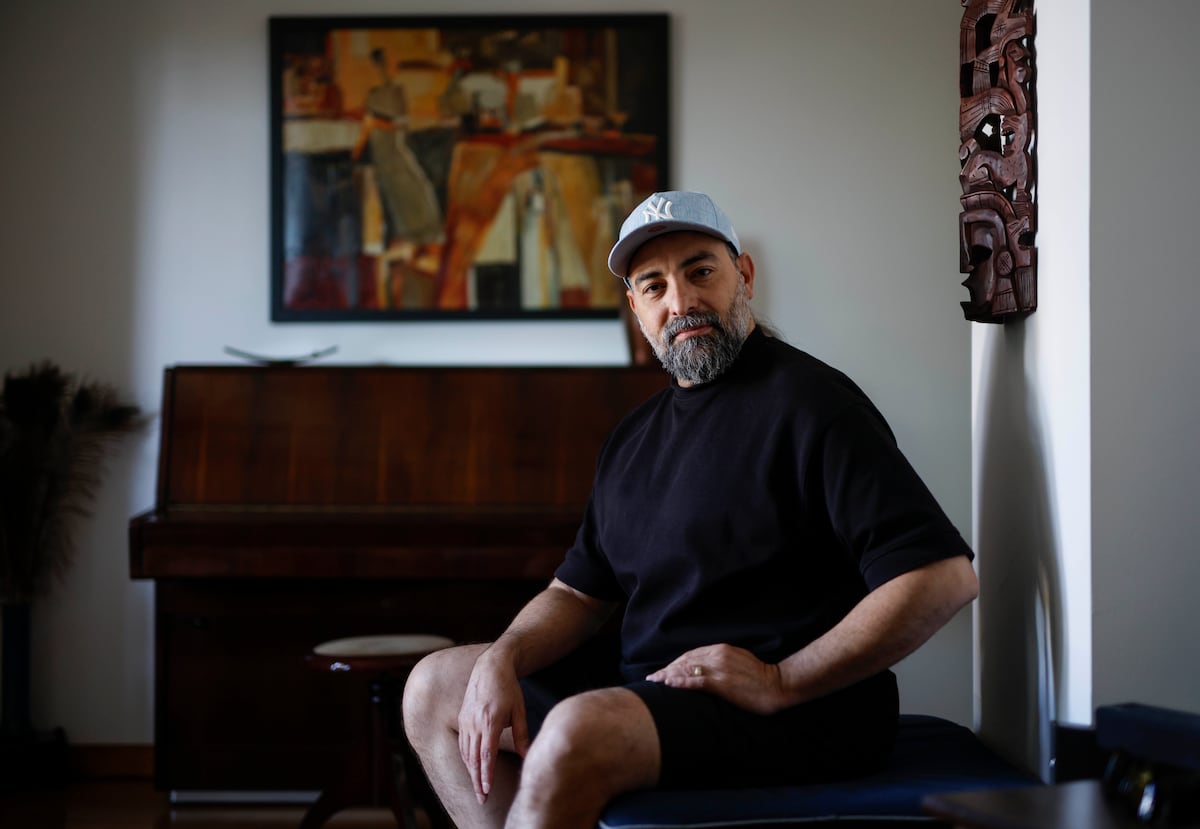
Attending an Alain Pérez concert is an emotional whirlwind. At 48, this Cuban virtuoso, a graduate in classical guitar from the National School of Art in Cuba, captivates audiences for over three hours with his multifaceted talent. He sings, plays, and dances, traversing the rich tapestry of Cuba's traditional genres like chachachá, son, and bolero, infused with the vibrant energy of timba and jazz improvisation.
For a decade, Pérez was the bassist for the legendary Paco de Lucía. This Saturday, alongside fellow Cuban Isaac Delgado, Pérez will showcase "Bingo," his latest album, at Barcelona's Sala Apolo. The album, crafted across Cuba, the U.S., and Spain, follows his previous works like "El cuento de la buena pipa" (2020) and "ADN" (2018). His "Chá Chá Chá: Homenaje a lo tradicional" even earned him a Latin Grammy in 2021.
Though Pérez returned to Cuba in 2018 after twenty years in Spain, he considers Spain a "second home." His European journey began in 1998 with Isaac Delgado's orchestra, collaborating with icons like Niño Josele, Enrique Morente, and Celia Cruz. Paco de Lucía's influence was profound, teaching him to strive for perfection while touching the audience's hearts.
Meeting Paco de Lucía forged an instant connection with flamenco for Pérez. He fondly recalls, "I've received many gypsy canes from patriarchs," with a smile. After two decades abroad, Pérez returned to Cuba to share his global experiences with younger generations. His touring orchestra, composed of 12 musicians from his alma mater, boasts an average age of 23, with some members just reaching adulthood.
Pérez is committed to preserving Cuban music's aesthetics, forming a second generation of musicians. He channels the mentorship he received from maestros like Chucho Valdés, who introduced him to Irakere, a renowned Latin jazz group, at just 17. "The sound left a lasting mark; it was like earning a master's degree early," Pérez reminisces.
Coming from a musical family, Pérez's father, Gradelio Pérez, was the first to recognize his innate talent. Together, they've written numerous songs. "Traditional music is in my soul. I was fortunate to start with guajiro, son, and guaracha," he shares. By age 7, he was singing and playing guitar. At 9, he left his hometown for Cienfuegos to join his first band, Cielito Lindo. "The day I was tested, I moved away from home. Music filled everything, even compensating for any shortcomings," he confesses.
Despite Cuba welcoming him back warmly, Pérez's recent projects have faced challenges due to power shortages. "Energy problems, five-day blackouts, being in the studio without power, canceling recording sessions... Working in such adversity makes you more sensitive and resilient," he says.
Pérez's arrangements and compositions resonate in top jazz schools in New York and on Havana's streets. "I look to figures like Juan Luis Guerra or Rubén Blades, even Benny Moré, who made popular yet exquisite music in the '50s," Pérez notes, often using a cane in concerts to honor Moré, "the rhythm barbarian." His creations begin with a melody that swiftly takes shape on guitar or piano. "The key is for my songs to have spirituality, always prioritizing emotions," he asserts.
His latest album, described as his "most mature," is rich with traditional Cuban rhythms, featuring songs like "Ya no vale," co-written with his father two decades ago and sung with Tito Nieves, and others like "Reina de corazones" and "Andaba solo," with Gilberto Santa Rosa. His brother, Rainer Pérez, joins as a composer. Compared to previous albums, "there's a difference in production quality, care, and song curation," though always "with great dedication and passion." This Saturday marks his fifth performance at the Sala Apolo in Barcelona, where Pérez anticipates "tremendous excitement, a powerful injection of desire and adrenaline."
We are looking for an independent senior editor

LEAVE A COMMENT