We are looking for an independent senior editor
Apply Now





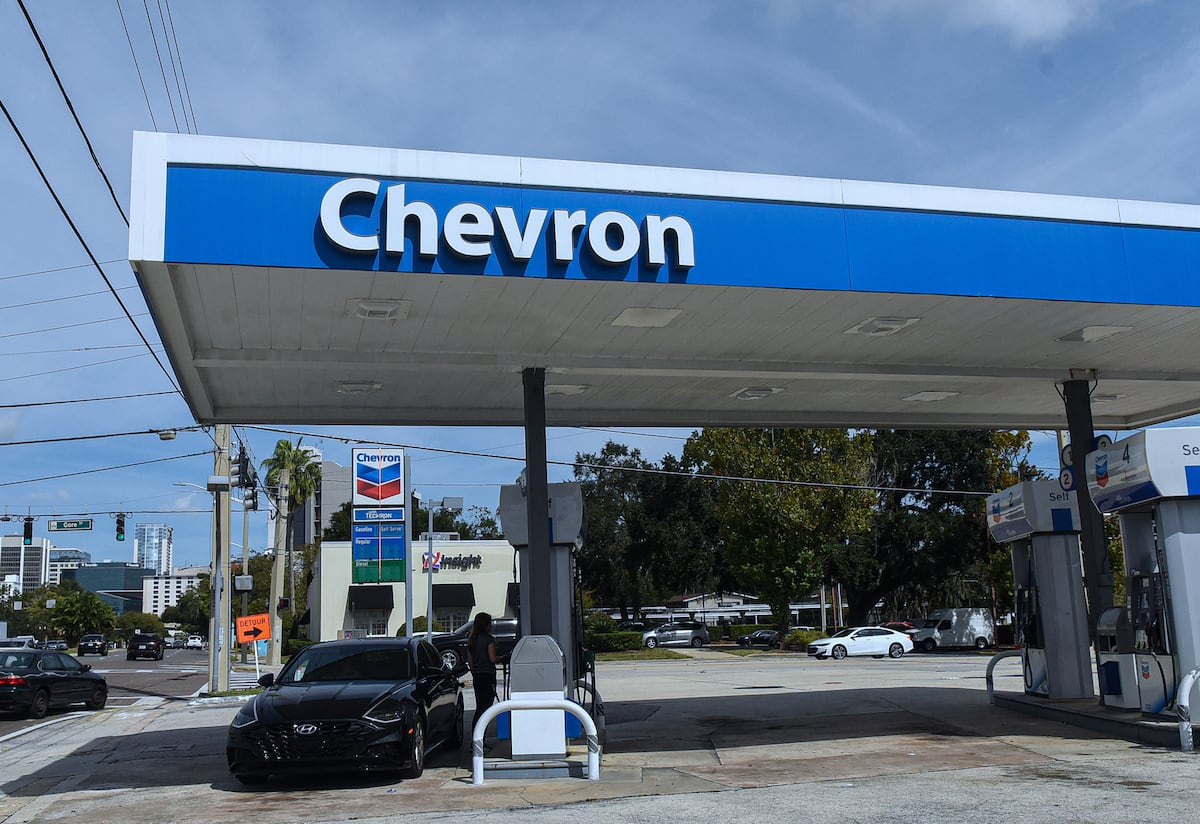
In a decisive turn of events, the United States has revoked Chevron's license to operate in Venezuela—a permit that was the sole authorization for an American company in the nation. The decision follows a period of ambiguity, reflecting the Trump Administration's firm stance on preventing any financial assistance that could bolster the oppressive regime of Nicolás Maduro. Mignon Houston, Deputy Spokesperson of the State Department, articulated this rationale, underscoring the intent to curb any contributions to the Venezuelan government's repressive activities.
President Donald Trump announced the revocation in February, overturning the decision made by his predecessor, Joe Biden, in November 2022. Biden had previously granted Chevron the license as a diplomatic gesture to support dialogue between Maduro's government and the opposition, with hopes for fair elections on July 28. The permit allowed Chevron to resume limited natural resource extraction in Venezuela. Despite extensions granted by the Treasury Department until May 27, Chevron's operations faced termination.
Chevron's persistent efforts to retain its license included negotiating with the U.S. government and facilitating the release of Joseph St Clair, an American held in Venezuela. However, their endeavors did not sway Marco Rubio, the acting Secretary of State and National Security Advisor, who remains an advocate for stringent sanctions against Caracas. Rubio reiterated his position in a Senate hearing, stating that Chevron's operations reinforced the Maduro regime and insisted on no further extensions for the company, which contributed up to 20% of Venezuela's oil production.
Houston emphasized the administration's consistent denunciation of Maduro's regime and its oppressive actions. The cessation of Chevron's license is part of a broader strategy involving sanctions and diplomatic pressure to prompt change in Venezuela. The ultimate goal is to witness Venezuela on a path toward stability and democratic progress, stressed Houston.
Concurrently, the State Department issued a travel advisory elevating Venezuela to the highest risk level, 4, warning American citizens against visiting due to potential detention or kidnapping risks. Venezuela reportedly holds the highest number of U.S. citizens in its prisons globally, with figures reaching dozens since 2019.
"No trip is worth risking your freedom," Houston declared, highlighting the absence of an operational U.S. embassy or emergency consular services in Venezuela. Travelers face significant risks in Venezuela and its borders, and many Americans visiting are drawn by family connections. The advisory warns that dual citizenship, Venezuelan visas, or prior visits do not shield Americans from detention by Maduro's regime.
We are looking for an independent senior editor

LEAVE A COMMENT