We are looking for an independent senior editor
Apply Now





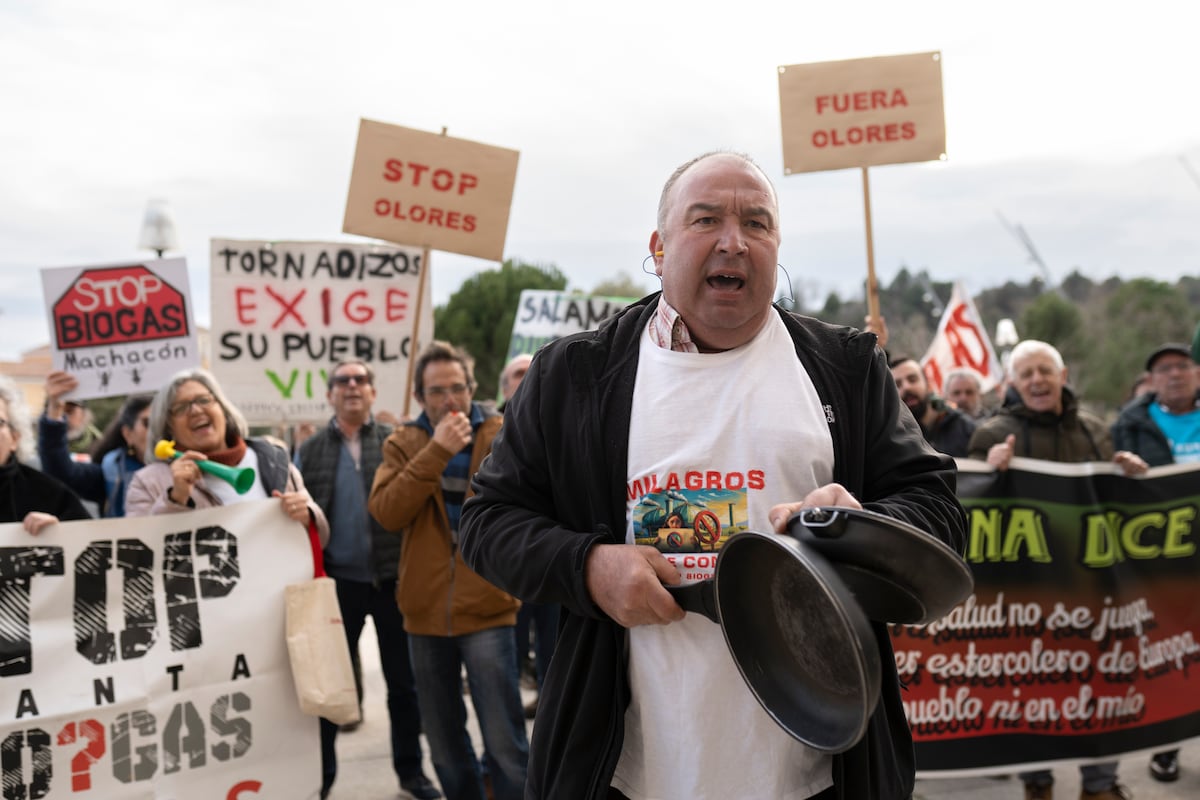
In the heart of rural Spain, a contentious alliance has formed between large-scale farms and biogas production facilities, leading to widespread discontent among local communities. This sustainable energy initiative, which utilizes waste from intensive livestock farming, is expanding across provinces already facing demographic challenges, raising concerns about further economic strain and population decline. Residents fear these industries offer minimal employment opportunities and may deter both current residents and potential newcomers.
The growing discontent has sparked rural protests, with demonstrations planned across municipalities in regions such as Castilla y León, Galicia, Andalucía, Castilla-La Mancha, Murcia, Extremadura, Navarra, and Catalonia. Various community groups have united to express their grievances, arguing that these developments impact all facets of rural life. The state-wide network StopBiogás spearheads these protests, critiquing a model that they claim devastates rural areas, degrades the environment, and threatens public health, all while lacking transparency and public engagement.
Critics challenge the notion that these macrofarms and biogas plants are "green" or "circular," labeling them as industrial polluters that process waste such as manure, sewage sludge, organic urban waste, agricultural residues, slaughterhouse by-products, and even animal carcasses. They argue that these facilities produce toxic waste capable of contaminating land and water sources, alongside unbearable odors that pervade the vicinity.
The supposed ecological benefits are contradicted by the continuous need for waste input, thereby reinforcing a polluting agro-industrial model, particularly in intensive livestock farming. This creates a vicious cycle of increased animal numbers, more waste, more emissions, and more digestate, perpetuating an unsustainable system. Economically, these industries offer little to rural areas, generating few jobs, degrading natural resources, devaluing properties, and hindering sustainable rural development. The lack of transparency and limited community involvement in decision-making processes further aggravates the situation.
Protesters demand a halt to all such projects and advocate for a transition to a fair and decentralized energy model, improved waste management, and empowerment of local regions to determine their developmental paths. They urge investment in alternative practices such as extensive farming, agroecology, and rural tourism.
Castilla y León is notably reactive to these developments, with regular demonstrations, including those at the regional parliament. Key sectors, like the wine producers of the Ribera del Duero, have joined the protests, fearing adverse effects on their vineyards and businesses from the biogas and macrofarm partnership.
Aurora Vilariño, leading the Milagros group (Burgos), emphasizes the importance of this protest in highlighting the increasing social rejection of a model that turns villages into sacrifice zones. She advocates for a shift towards just energy transition, origin-based waste management, and truly sustainable rural development, with social participation as the cornerstone. "We say 'Enough!' to this exploitation of our natural resources," she asserts.
Murcia has also emerged as a region resisting the growth of biogas projects alongside extensive livestock farming. Zorionak Meneses, a member of critical associations, warns against these enterprises: "The common diagnosis is clear: there is a real speculative bubble surrounding biogas, driven by a lack of public oversight, corporate interests in securing European funds, and serving the agendas of meat industry and energy lobbies."
We are looking for an independent senior editor

LEAVE A COMMENT