We are looking for an independent senior editor
Apply Now





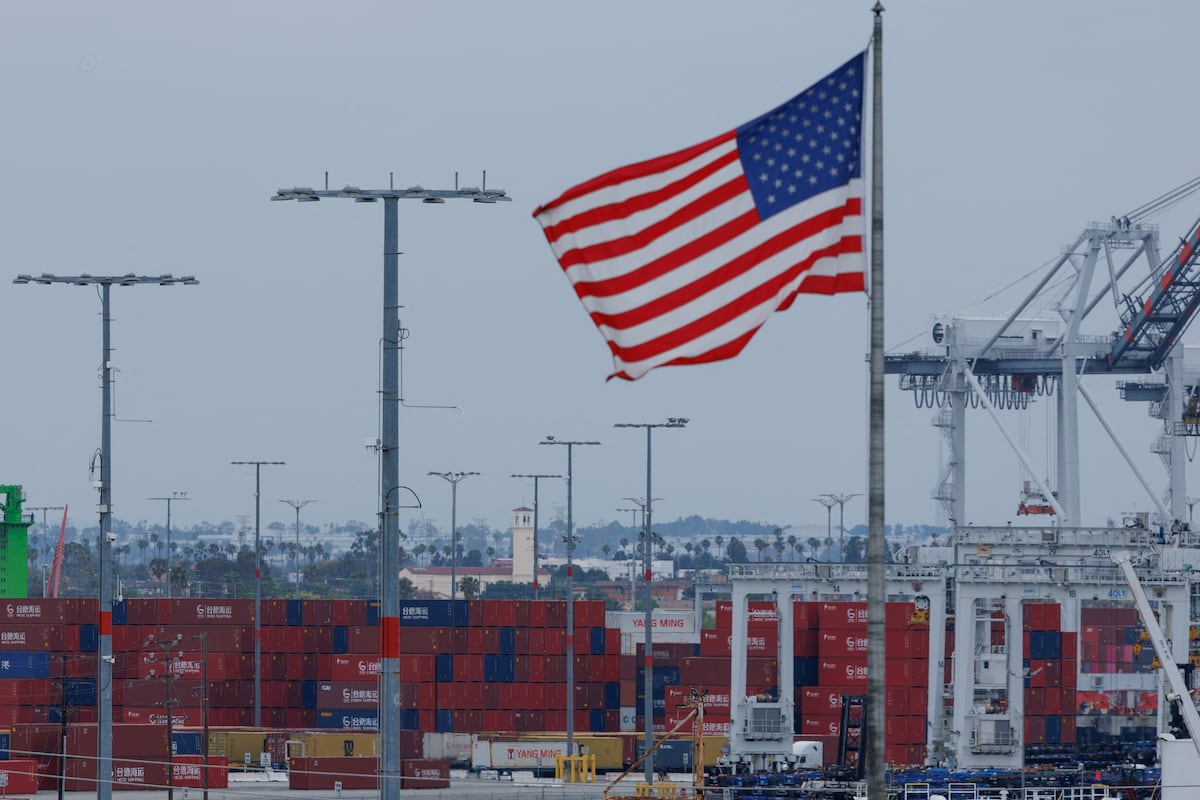
The United States faced a trade landscape marked by complexity and unpredictability due to the erratic tariff policies implemented under the leadership of Donald Trump. These measures led to significant distortions in trade patterns, as businesses rushed to advance imports in a bid to circumvent impending tariffs. This resulted in an unprecedented trade deficit during the first quarter of the year. Nonetheless, April witnessed a reduction in the trade imbalance, coinciding with the introduction of the so-called "reciprocal tariffs" by Trump. According to the U.S. Census Bureau, the country's trade deficit in goods reached $87.6 billion in April, marking the lowest figure since 2023.
The preliminary data, however, lacks a detailed breakdown by countries and geographic regions, with further insights anticipated from the Department of Commerce in the coming week. The deficit saw a substantial 46% decrease compared to the historic high of March, yet only a modest 6% reduction when juxtaposed with the same month in 2024. Despite this, the cumulative figures for the first four months of the year continue to set a new record, slightly exceeding $550 billion.
April exports soared to an impressive $188.5 billion, establishing a new record, up $6.3 billion from March and showcasing an 11.4% increase compared to the previous year. Imports, on the other hand, fell by 20% in April relative to March, totaling $276.1 billion, but still remained above the $270 billion recorded in April 2024.
The release of these statistics comes amid a backdrop of chaos and uncertainty regarding the legitimacy of these tariffs. The International Trade Tribunal issued a ruling deeming the tariffs illegal and nullifying them. However, the Federal Appeals Court in Washington has provisionally halted the enforcement of this decision as it conducts an initial review of the case, leaving the tariffs in effect.
April was particularly tumultuous concerning these tariff measures. On April 2nd, Trump escalated the trade conflict globally with exorbitant tariffs but subsequently yielded to market pressures, reducing the highest tariffs to 10%, excluding China. Tariffs on imports from the Asian giant were initially set as high as 145%, although by May, Trump reversed course, lowering them to 30% amidst fears of soaring prices and empty shelves in retail outlets.
We are looking for an independent senior editor

LEAVE A COMMENT