We are looking for an independent senior editor
Apply Now





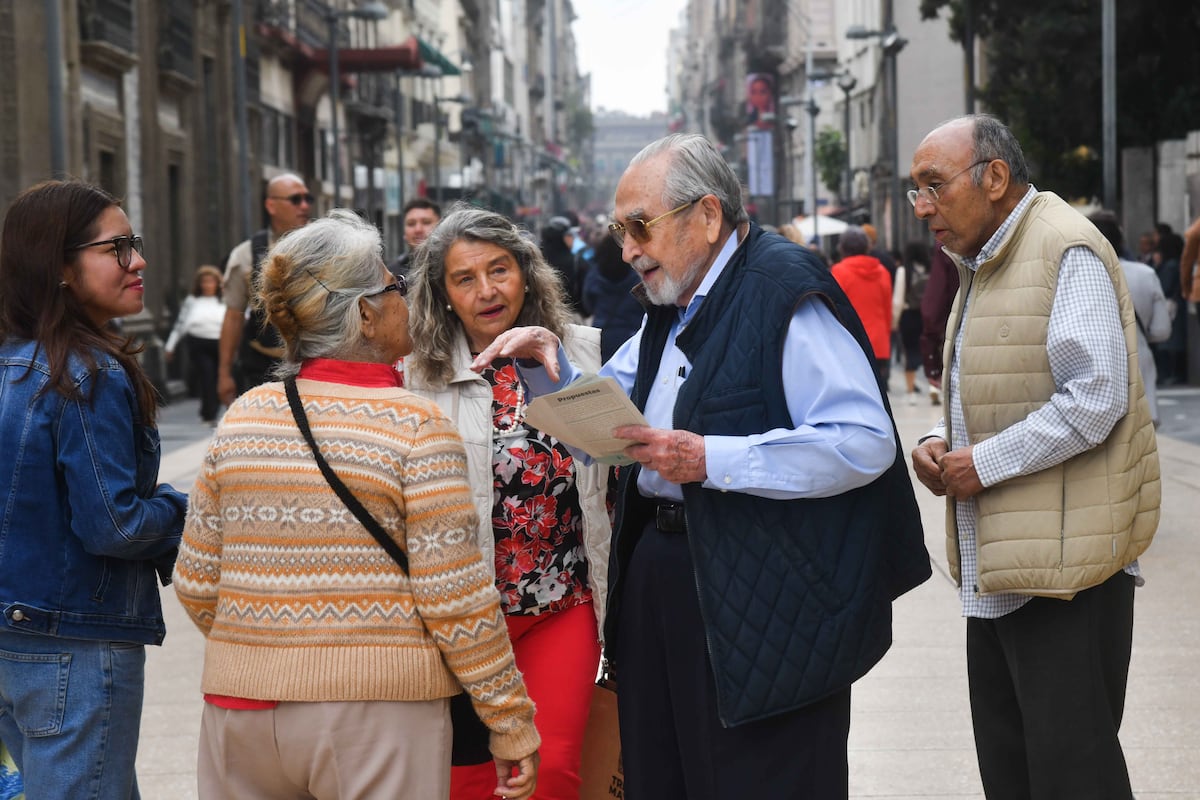
In the upcoming judicial elections in Mexico, voters will face a wide array of candidates for judges, magistrates, and prosecutors, ranging from young graduates to seasoned professionals close to retirement. The process has been marred by an expedited and lenient screening process, leading to questionable candidate pools that include individuals with little experience, potential conflicts of interest due to business ties, and strong political affiliations. Experts warn that such candidates could impact the future effectiveness of the judicial system.
The judicial reform is set to appoint 881 state and 1,800 federal judicial positions, yet the selection process has been chaotic, with numerous delays and a flood of applications. According to Dr. Javier Martín Reyes, a researcher at UNAM, the evaluation committees lacked the time to properly assess the candidates, resulting in significantly lowered qualification standards. The ruling party, Morena, is accused of removing barriers to favor candidates aligned with their interests, some with ties to organized crime, politics, or advanced age.
David Mora from the International Crisis Group highlights the overwhelming workload faced by candidate selection committees. Without clear standards for evaluating suitability, honesty, public reputation, or professional experience, the committees struggled to handle nearly 50,000 applications, of which 19,121 advanced to the next phase. The rushed process, compounded by legal challenges, left little time for thorough candidate vetting. Ultimately, candidates needed only minimal experience, a law degree, and five recommendations to appear on the ballot.
Some selected candidates, like Cynthia Ortiz Monroy and Omar Jonathan Mendoza, are young and inexperienced, raising questions about their readiness for judicial responsibility. Despite academic prowess, new graduates like them traditionally require years of practical experience before assuming such roles, notes Mora.
On the opposite end, candidates like Bernardo Bátiz Vázquez and María Estela Ríos González, nearing or exceeding typical retirement age, question the physical demands of judicial duties. While some individuals over 85 remain sharp, the legal system should prioritize broad standards over exceptions, argues Reyes. Espinoza questions whether these candidates can handle the demanding workload.
Judicial candidates maintaining active businesses pose additional conflicts of interest. Nicollino Giuseppe Mariano Cangiamilla, for instance, is linked to a mining company, while Supreme Court hopeful Abraham Amiud Dávila Rodríguez runs a legal firm. Such dual roles threaten judicial impartiality, as Espinosa points out. Reyes stresses that candidates must divest business interests to avoid conflicts.
Many candidates also have significant political backgrounds, which raises concerns about impartiality and the political overtones of the judicial reform. Reyes argues the reform appears politically motivated rather than aimed at enhancing justice. Espinosa believes recent political activity should disqualify candidates from judicial roles.
Overall, analysts are pessimistic about the future of the Mexican judiciary given the current candidate options. Beyond potential delays and increased costs in judicial processes, there's a looming threat to impartiality, warns Reyes. Espinosa emphasizes post-election oversight and accountability to address conflicts and incompatibilities, yet acknowledges the likely decline of the judicial system's quality.
We are looking for an independent senior editor

LEAVE A COMMENT