We are looking for an independent senior editor
Apply Now





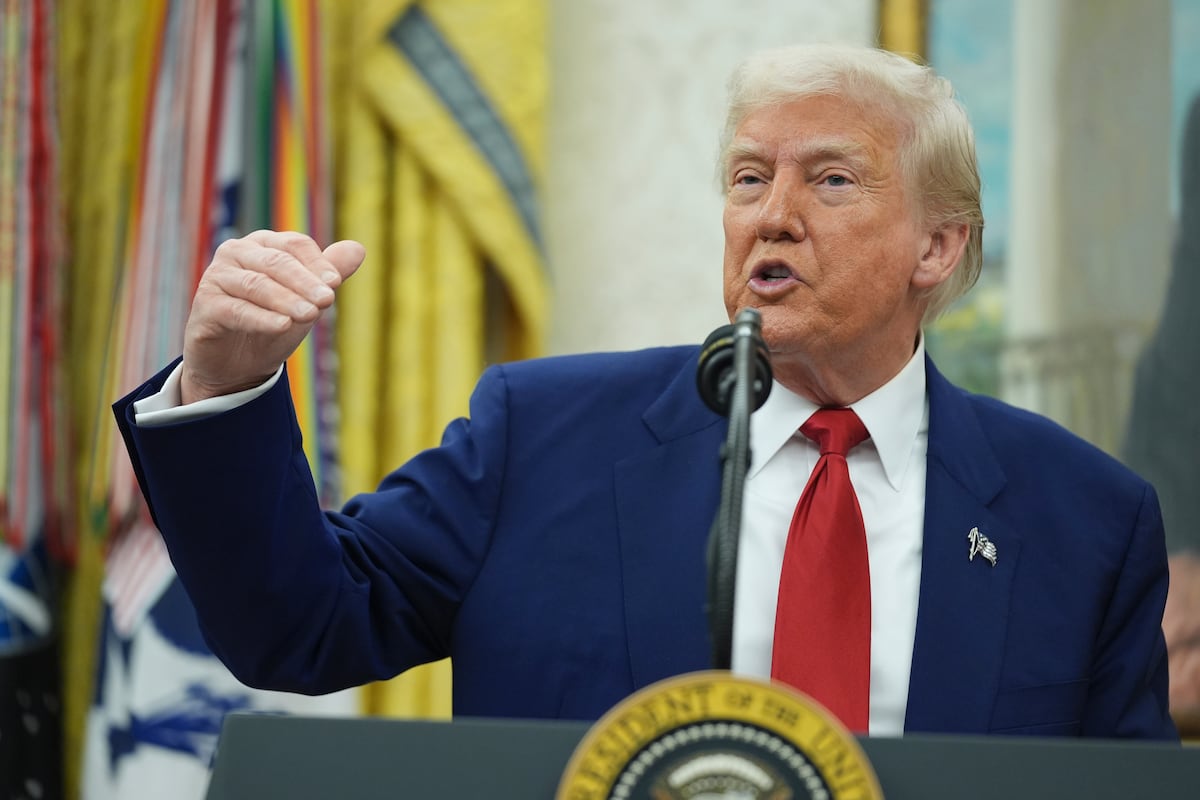
Donald Trump, the former President of the United States, took to his social media platform, Truth, to express his discontent over the recent decision by the U.S. International Trade Court. The court annulled what Trump referred to as "reciprocal tariffs" and taxes on imports from China, Mexico, and Canada, which he justified as necessary due to issues like fentanyl and immigration.
After a day of silence, Trump broke his silence with a lengthy post, criticizing the judges involved, one of whom he had appointed himself. He emphasized the critical nature of presidential power and warned that the presidency would never be the same if the ruling stood. He applauded the suspension of the ruling and called for its reversal: "Allowing this to stand would completely destroy presidential power: the presidency would never be the same again!"
Trump condemned the International Trade Court's decision as "incredible" and detrimental to the U.S. The ruling labeled Trump's tariffs as illegal, echoing his trade war with the world. The court's decision was unanimous among three judges, including Trump appointee Timothy Reif, Reagan appointee Jane Restani, and Obama appointee Gary Kazman.
Despite having appointed one of the judges, Trump targeted all three, questioning their motives. He suggested their decision was rooted in personal animosity towards him rather than legal reasoning. The judges, however, found Trump had overstepped his constitutional bounds.
Trump defended his choice of judges, explaining he was new to Washington and relied on recommendations from the Federalist Society, which he later regretted. Recently, he nominated his personal attorney, Emil Bove, for an appeals court position in his second term.
Trump criticized the court's ruling as "wrong and political" without providing substantiating arguments. He urged the Supreme Court to overturn the decision swiftly and decisively, noting that three of the nine Supreme Court justices were his appointees.
He expressed outrage over the decision requiring congressional approval for tariffs, which he believed undermined presidential authority. He argued that lengthy congressional debates would hinder the U.S. from responding to unfair trade practices by other nations.
Trump claimed the decision was celebrated worldwide, except in the U.S., and accused radical left judges of harming the country. He stressed the financial implications, warning that the U.S. would lose trillions of dollars unless the president was allowed to defend the nation's economic interests.
The court's decision declared the 25% tariffs on Canadian and Mexican imports, and the 20% tariffs on Chinese imports, illegal. These tariffs were initially justified as responses to fentanyl and immigration issues. The court suspended the tariffs, pending further review by an appeals court, allowing them to remain in effect temporarily.
Trump's team is preparing a "Plan B" should the ruling not be overturned. They are exploring options under the 1974 Trade Act, which permits temporary tariffs in response to trade deficits. This strategy, used during his first term, allows for legally sound imposition of tariffs on a country-by-country basis.
We are looking for an independent senior editor

LEAVE A COMMENT