We are looking for an independent senior editor
Apply Now





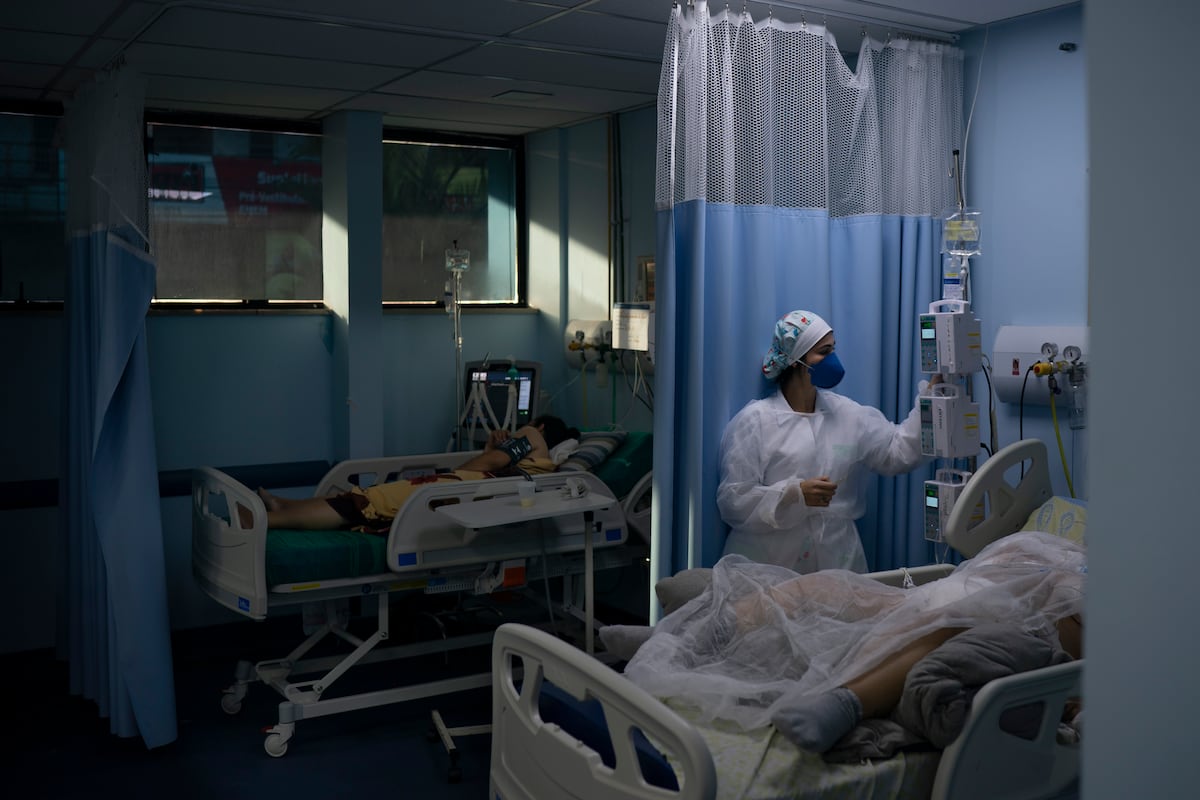
One of the pioneering and extensive conditional cash transfer programs targeted at impoverished families in Brazil has emerged not only as a social and economic boon but also as a vital lifeline. A recent study published in the scientific journal The Lancet reveals that over the course of two decades, the Bolsa Familia program, initially established by former President Fernando Henrique Cardoso and expanded under Luiz Inácio Lula da Silva, has averted more than 713,000 deaths and prevented approximately 8.2 million hospitalizations among vulnerable populations from 2004 to 2019. The effects were particularly significant among children under five, whose mortality rates dropped by 33%, and for those over 70, whose hospitalization rates decreased by 48%. In a country with 211 million residents, 59 million live below the poverty line, and 9.5 million are in extreme poverty, according to the Brazilian Institute of Geography and Statistics.
Bolsa Familia serves impoverished families, identified through the Cadastro Único or Single Registry, requiring them to fulfill specific health and educational responsibilities. For instance, families with children under seven must adhere to vaccination schedules and health check-ups. Pregnant women are required to attend prenatal care and receive breastfeeding guidance.
The study outlines a dual impact of conditional cash transfers. Firstly, receiving financial support enables families to purchase more nutritious food and improve living conditions. Secondly, the obligation to utilize basic health services enhances disease prevention and early detection efforts.
This groundbreaking study is the first globally to analyze a 20-year data set on conditional cash transfers and their effects on mortality and hospitalization rates. Researchers assessed data from 3,671 Brazilian municipalities, examining Bolsa Familia's coverage and financial investment alongside mortality and hospitalization statistics.
"Bolsa Familia is arguably one of the world's most scrutinized programs, particularly for its health impacts," states Davide Rasella, a co-author of the study and researcher at the Barcelona Institute for Global Health (ISGlobal). Launched in 2003, Bolsa Familia gained international acclaim for its cost-effectiveness, representing just 0.5% of the GDP while providing substantial socio-economic relief to families. A study in the World Development Perspectives journal highlighted that 64% of the first generation of Bolsa Familia beneficiaries no longer require public assistance. Additional studies have shown that the program, initiated in 2004, has reduced instances and fatalities from tuberculosis, HIV rates, and maternal and infant mortality. Currently, Bolsa Familia reaches 21 million households, delivering an average of $139 monthly to each.
Daniella Medeiros Cavalcanti, an economist and research leader at the Institute for Collective Health of the Federal University of Bahia, explains to EL PAÍS that the program's conditional nature is fundamental to reducing mortality and hospitalization rates. "Other programs offer direct income to alleviate poverty, but by incorporating health-related conditions such as vaccination and prenatal care, poverty is addressed more comprehensively," Cavalcanti argues in a video interview.
Rasella underscores that poverty significantly influences health outcomes, making interventions in this demographic particularly impactful. "Socioeconomic protection for the poorest translates into the prevention of avoidable deaths," Rasella asserts, adding that such investments are crucial for reducing future state costs. "These programs are often perceived as expenses, yet from a health perspective, they provide economic returns by preventing diseases," Rasella notes. Ultimately, reducing illness decreases healthcare system costs and boosts national productivity.
The study also projects the potential impact on mortality and hospitalization rates in Brazil by 2030 if Bolsa Familia's budget were increased or, conversely, cut in a scenario of fiscal austerity. Expanding the program could save another 680,000 lives and prevent eight million hospitalizations between 2020 and 2030. Conversely, reducing its coverage could result in a setback: 1.5 million deaths and 15 million hospitalizations within the same period. "This scenario also considers the global context," Cavalcanti adds, highlighting recent announcements by figures like Donald Trump on cutting humanitarian aid, which affects countries in the Global South.
Highlighting potential outcomes from cuts to Bolsa Familia serves as a global cautionary tale. According to The Lancet, conditional cash transfers expanded from eight countries in 1960 to 134 in 2019. However, the journal warns, their sustainability is now threatened by fiscal constraints in some states, exacerbated by decreased tax revenues and rising external debt stemming from the COVID-19 pandemic.
"Data from Brazil and other countries suggest that cash transfers should not compete with traditional health investments but complement them. Improving public health requires harmonizing social protection, health financing, and infrastructure rather than isolating them," comments The Lancet regarding the study.
"Many Latin American and Caribbean countries are already experiencing fiscal austerity. That's why this scenario was analyzed, as it involves reducing public and social protection spending," says Cavalcanti, emphasizing that Bolsa Familia is a mature and well-established policy that must continue.
We are looking for an independent senior editor

LEAVE A COMMENT