We are looking for an independent senior editor
Apply Now





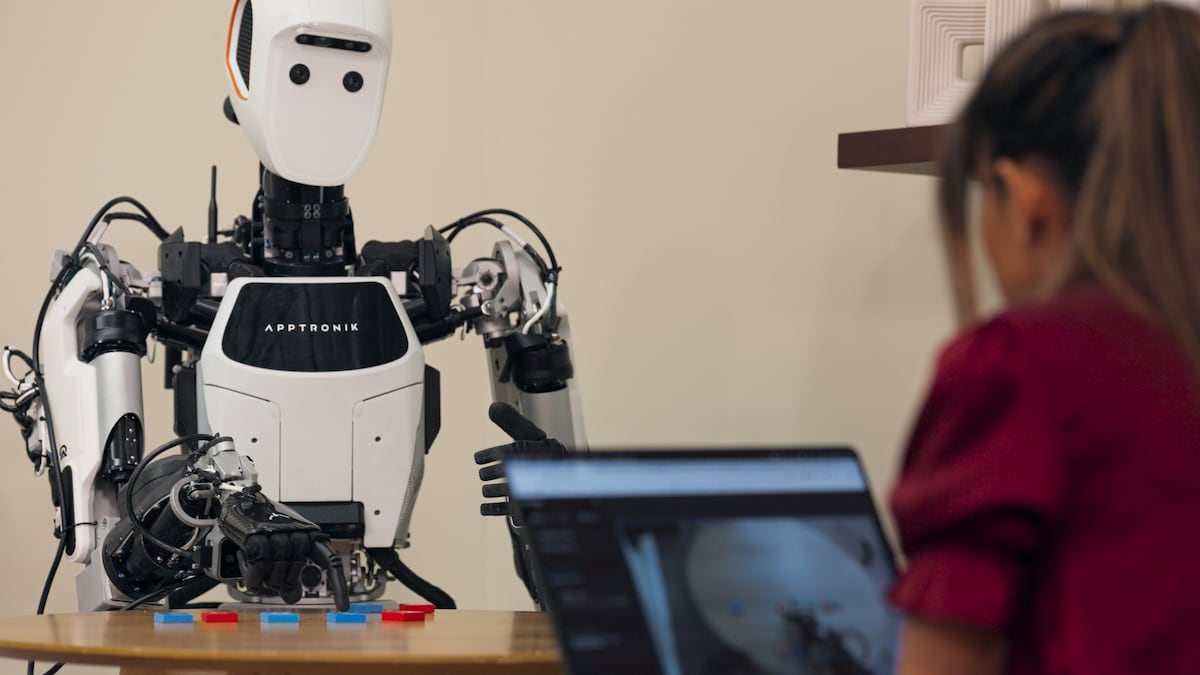
In recent years, artificial intelligence (AI) has transitioned from a futuristic concept to a regular part of daily life. In Spain, the use of AI-based tools is increasing sharply, with projections that by 2031, over 18 million people will be using them regularly. The speed of adoption is remarkable: ChatGPT reached a global user base in just five days that took Netflix three and a half years to achieve in 1999. This surge isn't merely about numbers; it signifies a profound shift in communication channels, languages, and consumer expectations.
From virtual assistants to recommendation algorithms, AI is now embedded in our decision-making processes, consumer habits, and increasingly, in the ways we communicate. But how are consumers experiencing this revolution? How is it really altering the way we gather information, interact, and purchase?
The response is mixed. While 57% of Spaniards express excitement about AI's potential, appreciating benefits like time-saving, access to useful information, and task automation, 43% express concerns. These worries center around job loss, erosion of human creativity, and notably, the spread of false content. In fact, 60% of people are anxious about fake news generated by AI, and 44% are uncomfortable with their personal data being used to train algorithms. This presents an urgent challenge: creating AI that is transparent, ethical, and understandable for all.
Despite adoption barriers, AI is starting to enter more personal spaces. 45% of respondents show interest in having a "virtual friend" for conversation or advice, indicating a growing openness to new forms of technology-mediated interaction, albeit with some reservations.
Simultaneously, one of the most affected areas by this transformation is information search. Traditionally, we relied on search engines like Google for answers. Today, tools like ChatGPT and personal assistants are taking over, offering direct responses rather than lists of links. This conversational model is rapidly gaining ground, with users valuing immediacy, personalization, and a human-like interaction tone.
Consequently, brands are facing a new challenge: it's no longer enough to rank well on search engines; they must now be well-represented in AI-generated responses. This requires rethinking digital presence strategies and reputation management.
Moreover, AI presents a tremendous opportunity for brands, but also a significant responsibility. Studies show that consumers particularly value brands that use these technologies transparently and respectfully. It's not just about employing AI to optimize campaigns or automate processes; it's about doing so with purpose, meaning, and empathy.
In this context, AI doesn't replace human talent; it enhances it. It allows us to go beyond the obvious, anticipate consumer needs, and offer relevant experiences at the right moment. But it also demands more from us: critical thinking, ensuring content accuracy, and maintaining humanity at the core of communication.
AI redefines communication because it redefines people. It changes us as users, citizens, and society, accelerating at a dizzying pace. In this new landscape, the key won't be mastering technology, but using it wisely, ethically, and creatively.
Cristina Viúdez, head of research and reports at GroupM, shares insights on this evolving digital world.
We are looking for an independent senior editor

LEAVE A COMMENT