We are looking for an independent senior editor
Apply Now





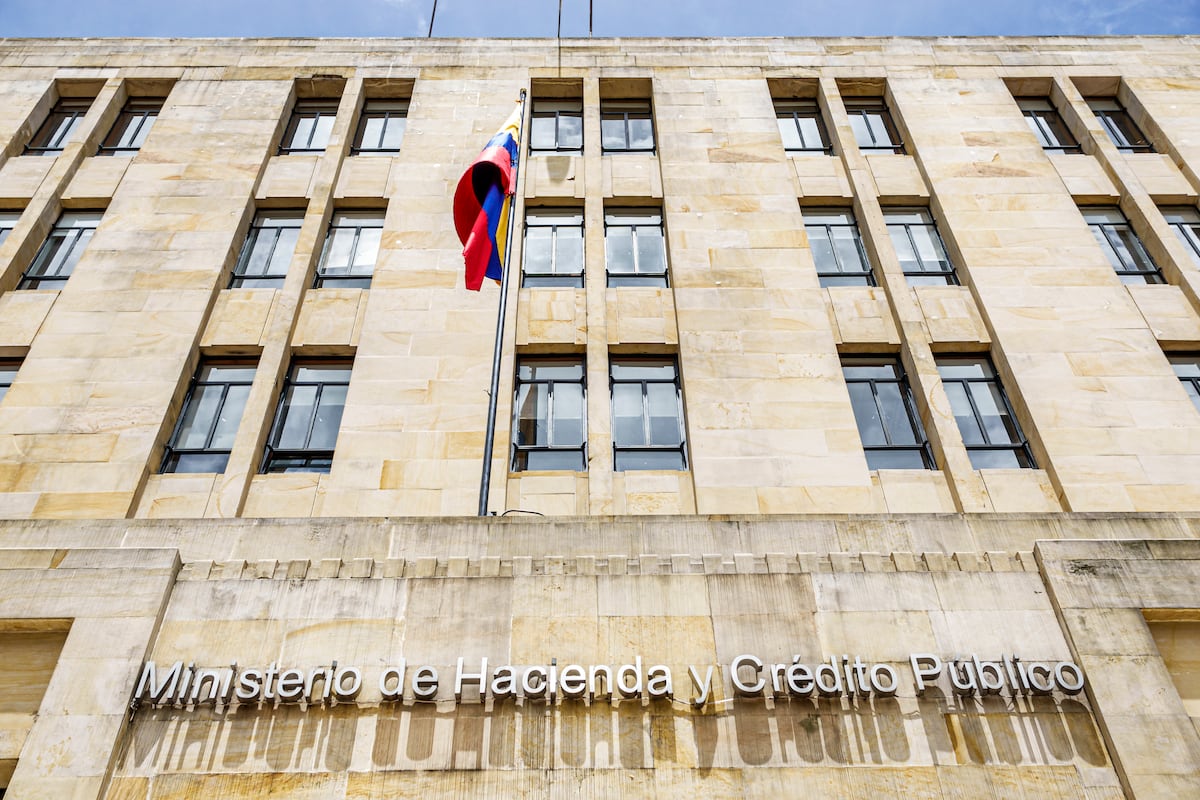
Starting Thursday, May 29, Colombian companies are required to remit a larger percentage of their earnings through withholding tax, a prepayment mechanism for income taxes. This change is a result of Decree 0572 of 2025, issued by the Ministry of Finance, which accelerates tax collection originally scheduled for 2026 to the current year. While this decision aims to address immediate fiscal liquidity issues, it has raised concerns among industry groups and economists, who view it as a temporary fix that fails to address underlying fiscal imbalances. "It offers short-term relief but sets up future scarcity," comments María Claudia Lacouture, President of the Colombo American Chamber of Commerce.
The decision aligns with ongoing government efforts to mitigate a fiscal deficit nearing 7% of GDP. The administration faces a shortfall of at least 12 trillion pesos. Although the advanced tax payment won't entirely resolve the debt, it provides a rapid approach to regain fiscal solvency amid political challenges in passing new tax reforms—a common scenario in Colombia, where fiscal policies are revisited biannually. This marks the first major policy initiative by newly appointed Finance Minister Germán Ávila Plazas, who succeeded Diego Guevara. Guevara's tenure focused on budget cuts, additional revenue streams, and future expenditure adjustments, strategies with delayed impact.
The Ministry based the withholding increase on sector-specific analyses, estimating discrepancies between taxes owed and those withheld during the 2025 fiscal year, using data from 2023 and 2024 tax filings. A detailed 20-page appendix outlines sector-specific increases, with the extractive industry facing the highest hike. Sectors like gas, gold, and electricity, alongside water treatment plants, will see a 4.5% increase. Other service-related activities, including furniture repair, beauty services, domestic employment, gambling, sports clubs, and amusement parks, will experience a 3.5% rise. Educational institutions, from nurseries to technical schools, face similar adjustments, although universities grappling with financial crises are levied at 1.10%. Artistic sectors, such as literary and theatrical production, are also subject to a 3.5% withholding, while crude oil extraction is set at 2.7%.
The withholding tax mechanism ensures timely tax collection through consistent revenue streams, enabling the government to preemptively gather taxes like VAT, ICA, or income tax. This occurs when companies receive payments for goods or services. Withholding agents intercept a portion of incoming funds for the government, although larger corporations conduct direct remittances to DIAN, known as self-withholding.
José Ignacio López, President of the ANIF Economic Studies Center, critiques this approach, suggesting it lacks clear legal and economic justification beyond immediate fiscal needs in 2025 at the expense of 2026's financial health. Critics argue that the increased withholding disproportionately impacts small and medium-sized enterprises, straining their cash flow and forcing them to finance the state without guaranteed profitability. In times of economic strain, businesses may resort to bank loans, cost reductions, layoffs, or even closures. Nonetheless, this remains the sole strategy identified by the administration to manage its fiscal deficit at present.
We are looking for an independent senior editor

LEAVE A COMMENT