We are looking for an independent senior editor
Apply Now





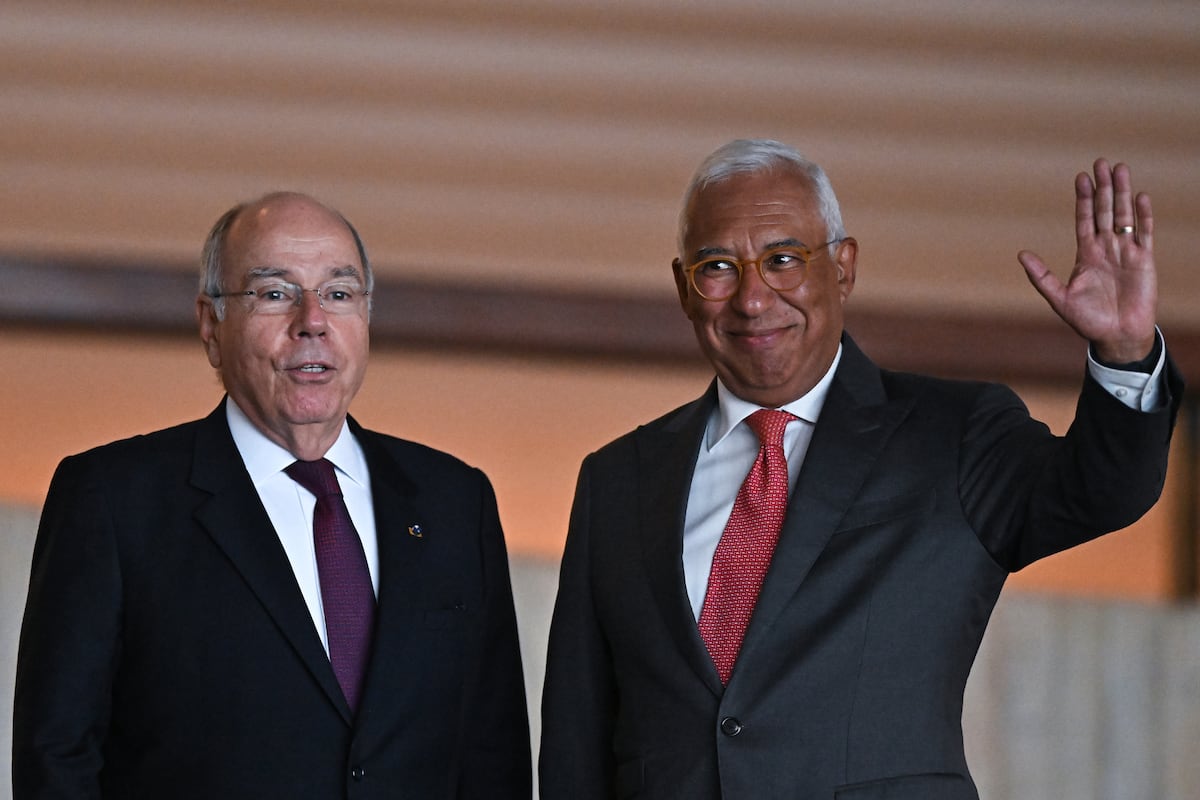
In a strategic move to bolster global economic stability, António Costa, President of the European Council, announced the acceleration towards cementing the Mercosur-EU trade agreement by December. Speaking in São Paulo during his official visit to Brazil, Costa underscored the imperative of creating what could be the world's largest free trade zone, emphasizing its significance for geopolitical and geoeconomic stabilization. To achieve this ambitious timeline, Brazilian President Luiz Inácio Lula da Silva's forthcoming visit to France—known for its hesitance towards the pact—will be crucial.
Lula is set to employ his diplomatic skills in France, coinciding with the bicentennial of Franco-Brazilian relations. Despite the personal rapport between Lula and French President Emmanuel Macron, their views on the trade deal diverge, presenting a diplomatic challenge.
The journey towards this agreement between Mercosur, comprising Argentina, Brazil, Paraguay, and Uruguay, and the EU has been fraught with obstacles. The preliminary pact was reached last December in Uruguay, yet awaits ratification by its members.
Post discussions with Brazilian Foreign Minister Mauro Vieira, Costa outlined the timeline: The European Commission is finalizing translations into the EU's 24 official languages, with the formal proposal expected to be delivered to the European Council by June or July. Costa hopes to secure consensus among the 27 EU leaders to establish the ratification process and signing date, ideally in December, coinciding with Denmark's rotational presidency of the EU and Brazil's leadership of Mercosur.
An anticipated meeting in Brasília between Costa and Lula was canceled due to Lula's health issue, which led to a temporary suspension of his agenda. After medical examinations and recovery, Lula resumed his commitments with a trip to the northeast.
In light of Lula's recent attendance alongside Russian President Vladimir Putin at Moscow's Victory Day parade, Costa condemned Russia's invasion of Ukraine. He urged nations like Brazil to convey a clear message to Putin: It's time for peace, adherence to international law, a ceasefire, and negotiations for a just and lasting peace with Ukraine.
The tariff war initiated by former President Trump and temporarily halted by a U.S. court has prompted a global search for new partnerships, infusing urgency into pending agreements.
Proponents of the EU-Mercosur deal argue that the current geopolitical climate, marked by the Ukraine and Gaza conflicts and what Costa describes as "significant geopolitical turmoil due to the new U.S. trade policy," presents an ideal opportunity for overcoming mutual hesitations. Establishing a free trade area representing over 20% of the global GDP and 720 million consumers, Costa asserts, sends a powerful message about the value of free markets and international trade. However, the impact extends beyond economic benefits, also advocating for a world governed by rules that embrace multilateralism to collectively address challenges like climate change.
The EU representative highlighted the complexity of trade agreements, noting that not every aspect can satisfy all parties. "You lose here and gain there; such is the nature of trade agreements," he stated, reminding that this pact, with its "extraordinary potential," has been in development for over 25 years.
We are looking for an independent senior editor

LEAVE A COMMENT